+86 29 8881 0979

NEWS

What is the purpose of the waveguide to coax transition

The waveguide-to-coax transition enables efficient signal transfer between high-frequency waveguides (e.g., operating at 10–100 GHz) and coaxial cables, typically using a probe or loop within the waveguide to couple energy into the center conductor, achieving VSWR < 1.2 with precise alignment and machined metal interfaces for minimal loss. ​​What’s a Waveguide?​​​ A ​​waveguide​​ is a

What is the purpose of the waveguide to coax transition Read More »

What is Coaxial Termination

What is Coaxial Termination

A coaxial termination is a 50Ω or 75Ω impedance-matched load (typically 0-18 GHz) that absorbs RF energy to prevent signal reflections, achieving VSWR <1.2:1. Constructed with carbon-composite or thin-film resistors in precision brass/beryllium copper housings, it handles up to 100W continuous power. Used in testing, it provides >30dB return loss up to 40GHz when properly

What is Coaxial Termination Read More »

Industrial Microwave Oven

What is An Industrial Microwave Oven

​An industrial microwave oven is a high-power system (typically 1-100 kW) using 915 MHz or 2.45 GHz frequencies for large-scale processing. These heavy-duty units feature magnetron arrays, conveyor belts (1-10 m/min speed), and temperature controls (±2°C accuracy). Applications include food drying (reducing 50% processing time), chemical synthesis, and rubber vulcanization, achieving 30% higher energy efficiency

What is An Industrial Microwave Oven Read More »

Double Ridged Waveguides

What is Double Ridged Waveguides

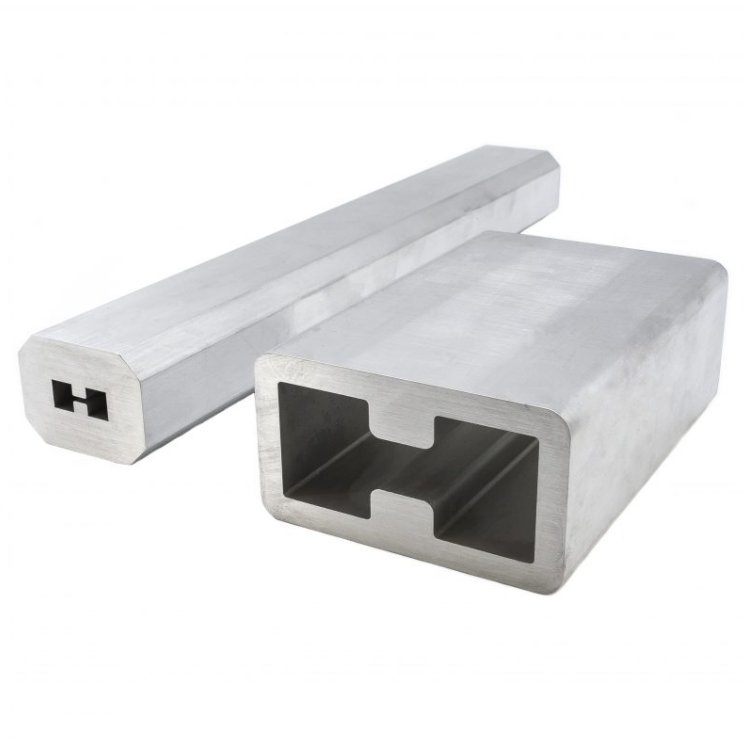
​Double Ridged Waveguides are specialized microwave transmission structures featuring two internal ridges that lower cutoff frequencies while maintaining compact dimensions. Typically operating from 1-40 GHz, they offer 15-30% wider bandwidth than standard waveguides. The ridges reduce impedance to 50Ω, improving compatibility with coaxial systems. Precision-machined from aluminum or copper, they’re used in radar and satellite

What is Double Ridged Waveguides Read More »

SATCOM ANTENNA

What is SATCOM ANTENNA

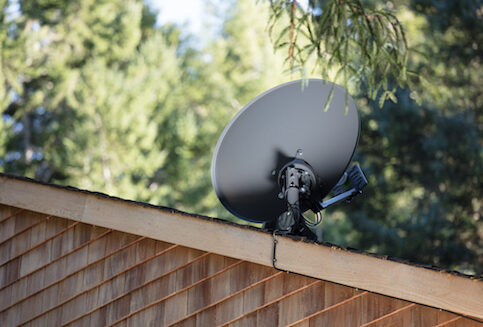
SATCOM antenna is a device used for satellite communication, and its operating frequency is usually between 1-30GHz. It enables data transmission between ground stations and satellites. For example, the Ku-band antenna has a diameter of about 0.9 meters and is suitable for high-speed Internet and video transmission. It needs to be precisely aligned with the

What is SATCOM ANTENNA Read More »

What is a Standard Waveguide

A standard waveguide is a metal tube that transmits microwave signals. For example, the WR-90 waveguide operates at 8.2-12.4 GHz and has specific dimensions (22.86 mm wide × 10.16 mm high). It is used for efficient transmission and directional radiation. Frequency, loss and power capacity must be considered during design. Definition Satcom engineers know standard

What is a Standard Waveguide Read More »

WRD650 Isolators | 8.0GHz – 18.0GHz | 250W Forward/ 200W Reverse | Isolation 15dB

May 28th, 2023 – Xi’an, SHAANXI – Dolph Microave, a design and manufacturer of superior waveguide components, antennas – is pleased to announce to announce the completion of the design and production of the 8-18GHz WRD650 waveguide isolator, It use a Y-junction structure housed in standard double ridge waveguide with one addition of a matched

WRD650 Isolators | 8.0GHz – 18.0GHz | 250W Forward/ 200W Reverse | Isolation 15dB Read More »

What is the design emphasis for Dolph Microwave’ circulators

Dolph Microwave places significant design emphasis on optimizing the selection and bias point of the ferrite material used in their circulators. This prioritization is aimed at minimizing the insertion loss and maximizing the isolation at the desired frequency, bandwidth, and power level. By carefully choosing and biasing the ferrite material, Dolph Microwave ensures that the circulators

What is the design emphasis for Dolph Microwave’ circulators Read More »

Scroll to Top
Blank Form (#3)