+86 29 8881 0979

Author name: Dolph

What are the different types of cable ends

Cable ends include crimped (with 5-15N pull-off force for 18-22AWG wires, common in automotive vibrations), soldered (300-400°C soldering iron, <0.1mΩ contact resistance for precision electronics), insulation displacement (IDC, piercing 22-10AWG insulation without stripping, 10Gbps data transmission), and threaded (M3-M6 terminals, 0.5-2N·m torque for industrial equipment, vibration-resistant). USB Types and Uses USB connectors are one of […]

What are the different types of cable ends Read More »
What is the limit of C-Band

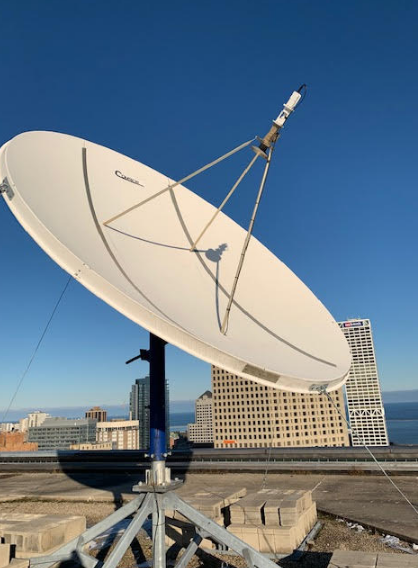
The C-band, defined by ITU as 4-8 GHz, faces practical limits: rain fade at 100mm/h induces 0.5-1dB/km loss at 6GHz, impacting satellite links (uplink 5.925-6.425GHz, downlink 4.6-5.0GHz). Antenna gain (30-40 dBi for 3-6m dishes) and LNA noise figures (0.5-1.5dB) constrain sensitivity, while physical size limits high-gain use in compact systems. Defining C-Band Frequency Range The

What is the limit of C-Band Read More »

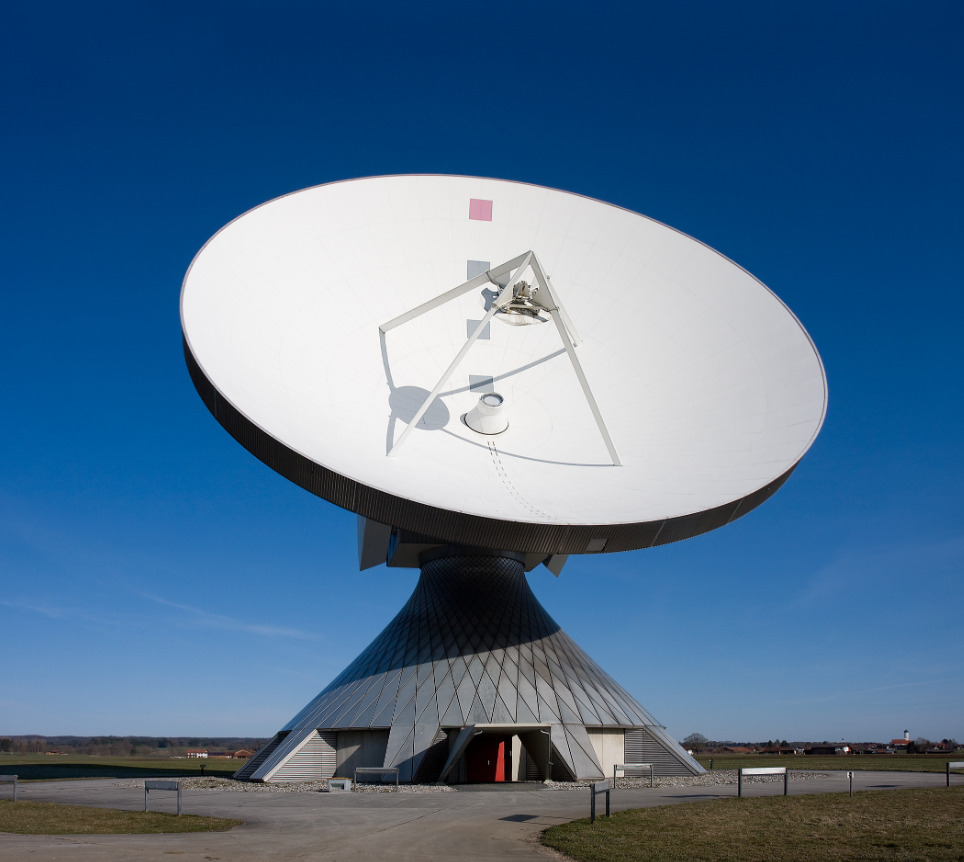
How do satellite antennas work

Satellite antennas operate via parabolic reflectors that focus electromagnetic waves onto a feed horn; a 3-meter diameter dish in Ku-band (12-18GHz) achieves ~40dBi gain, directing signals toward satellites. During transmission, electrical signals convert to waves at the feed, reflected into parallel beams by the parabola; reception reverses this, focusing incoming waves (error <0.1° in azimuth/elevation)

How do satellite antennas work Read More »

How do you test a directional coupler

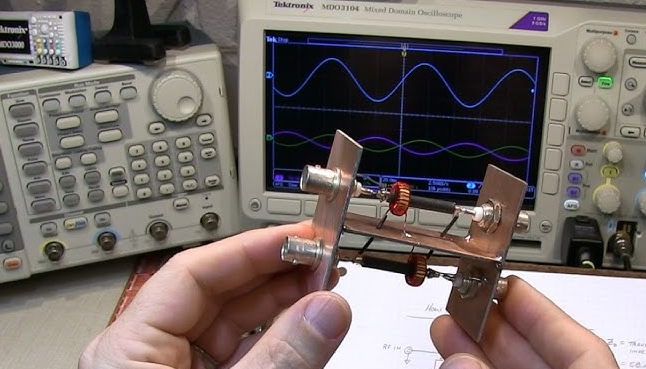
To test a directional coupler, connect it to a signal generator (output: +10dBm, 2-4GHz) and spectrum analyzer. Measure input power (Pin) at the main port, coupled power (Pcouple) at the coupled port, and isolated port power (Piso). Calculate insertion loss (Pin-Pthru, typical 0.5-2dB), isolation (Pin-Piso ≥20dB), and directivity (Pcouple-Piso ≥30dB) to validate performance. Measure Insertion

How do you test a directional coupler Read More »

What are the factors contributing to the loss inside a wr187 waveguide

Losses in WR187 waveguides (8.2-12.4GHz, a=47.55mm, b=23.78mm) stem from conductor surface roughness (Ra>0.5μm adds 0.1-0.3dB/cm), dielectric oxidation (tanδ=1e-4 vs. 1e-6 clean, +0.02-0.05dB/cm), mode conversion at misaligned flanges (>λ/100, λ≈30mm at 10GHz, +0.1-0.3dB), and scattering from scratches (>λ/20, +0.05-0.15dB/cm). Wall Material Conductivity Impact The conductivity of the wall material is a primary factor in determining the

What are the factors contributing to the loss inside a wr187 waveguide Read More »

What is the beamwidth of quad-ridged horn antenna

A quad-ridged horn antenna typically has a beamwidth of 60-80° in X-band (8-12 GHz), varying with ridge spacing and length; lower bands (e.g., L-band) may reach 90-100°, while higher Ku-band narrows to 50-60°, ideal for satellite communication directional coverage. Basic Antenna Beamwidth Explanation​​ Antenna beamwidth, specifically the ​​Half-Power Beamwidth (HPBW)​​, is the most critical metric

What is the beamwidth of quad-ridged horn antenna Read More »

What are the 7 radio waves

The 7 radio waves span ELF (3-30Hz, submarine comms), SLF (30-300Hz, underground), ULF (300-3kHz, geophysics), VLF (3-30kHz, nav beacons), LF (30-300kHz, AM), MF (300-3MHz, AM), HF (3-30MHz, shortwave), each with distinct propagation for specialized uses. Radio Waves in Broadcasting Today, ​​over 44,000 licensed radio stations​​ operate globally, with the ​​AM band (530–1700 kHz)​​ and the

What are the 7 radio waves Read More »

What messes with radio waves

Rainfall attenuates radio waves, with Ku-band signals losing 10-15 dB during heavy storms; concrete buildings block signals, causing over 20 dB loss in cities. Nearby Wi-Fi (2.4 GHz) or Bluetooth devices introduce noise, reducing clarity by up to -30 dBm. Tall Buildings Block Signal Radio signals, especially those above 1 GHz like 5G (which often

What messes with radio waves Read More »

Introducing the High Power Differential Phase Shift WG Circulator

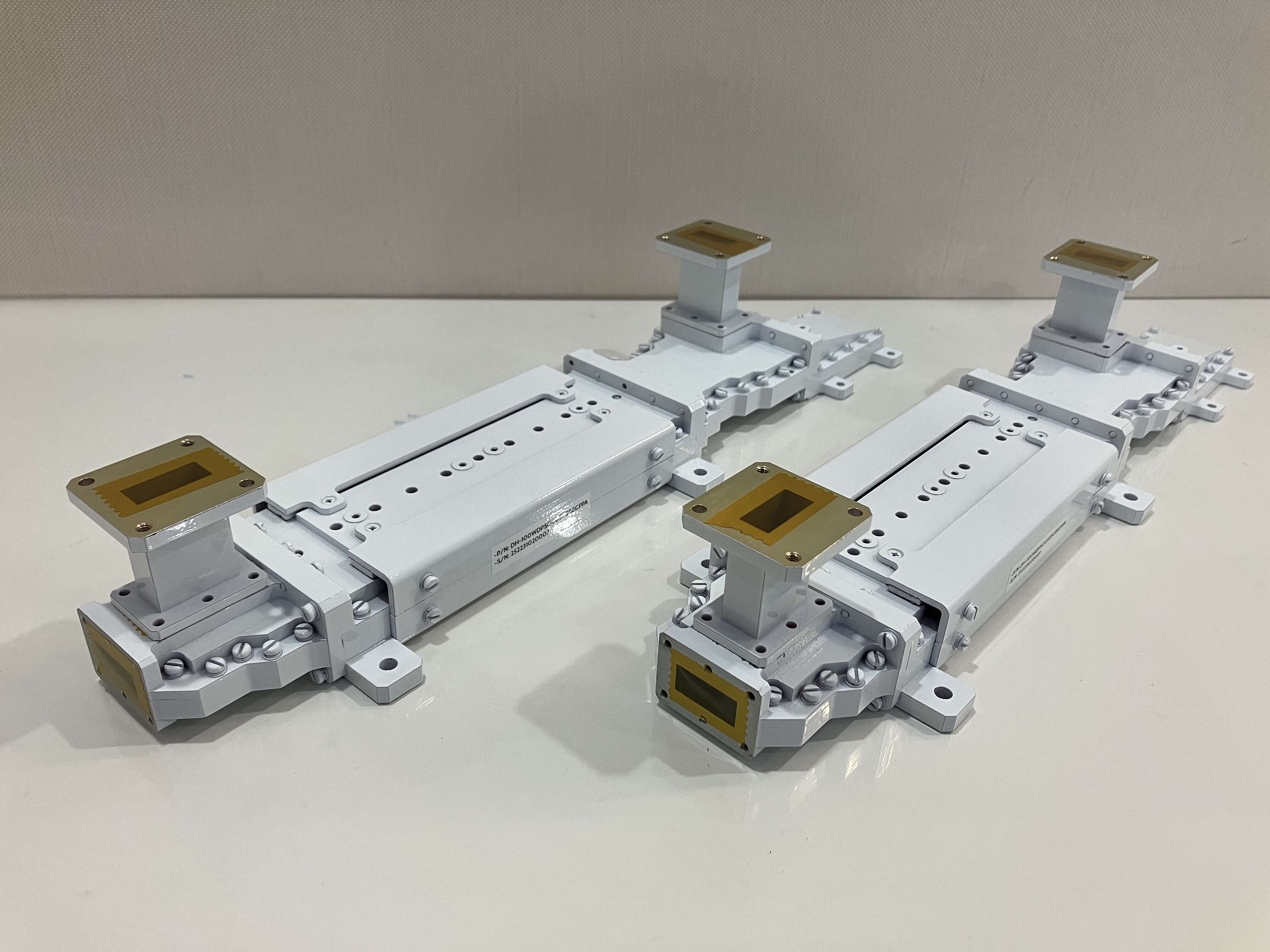
The High Power Differential Phase Shift WG Circulator operates in X-band (8-12 GHz), supporting 500W peak input power with <0.5 dB insertion loss and >40 dB isolation. Its optimized ferrite structure minimizes phase error to ±2°, ensuring stable signal routing in high-power radar systems. What It Is and How It Works A High Power Differential

Introducing the High Power Differential Phase Shift WG Circulator Read More »

Ka-Band 4-Port Diplexer with Circular Polarization for Antenna Networks

The Ka-band 4-port duplexer supports circular polarization and is suitable for antenna networks. The frequency range is usually 26.5 to 40 GHz. It can achieve efficient merging and separation of multi-path signals, ensuring a transmission rate of more than 10 Gbps. The polarization direction must be accurately calibrated during installation to optimize performance. Ka-band Characteristics

Ka-Band 4-Port Diplexer with Circular Polarization for Antenna Networks Read More »

Scroll to Top
Blank Form (#3)