+86 29 8881 0979

default

What is a waveguide assembly

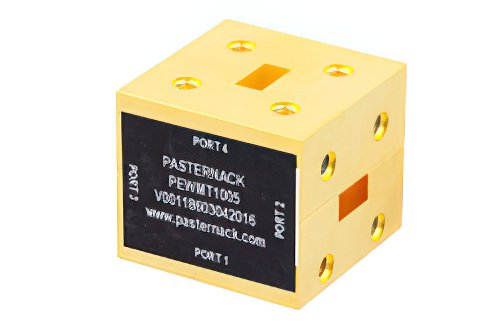
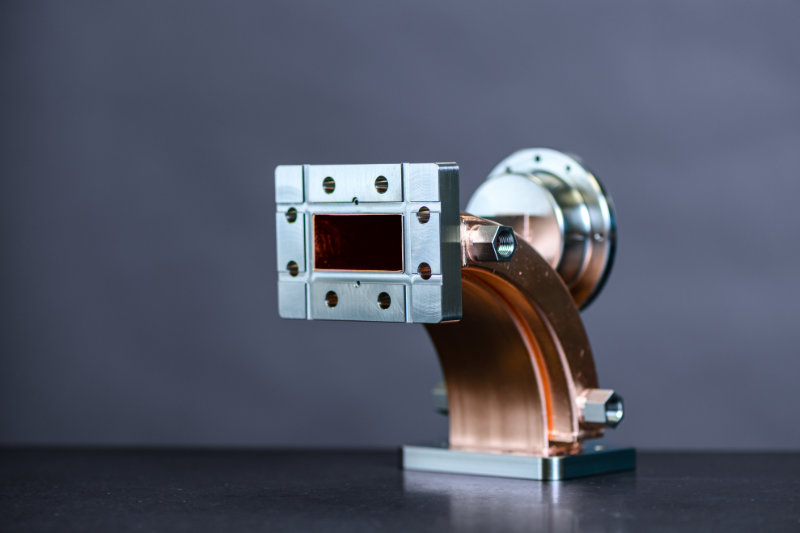
A waveguide assembly is a hollow metallic or dielectric structure that transmits microwave signals with minimal loss, typically handling frequencies from 1 to 110 GHz and power levels up to several kilowatts. It functions by precisely confining and guiding electromagnetic waves between components like antennas and transceivers. Why Use Waveguides Instead of Cables? At 10 […]

What is a waveguide assembly Read More »
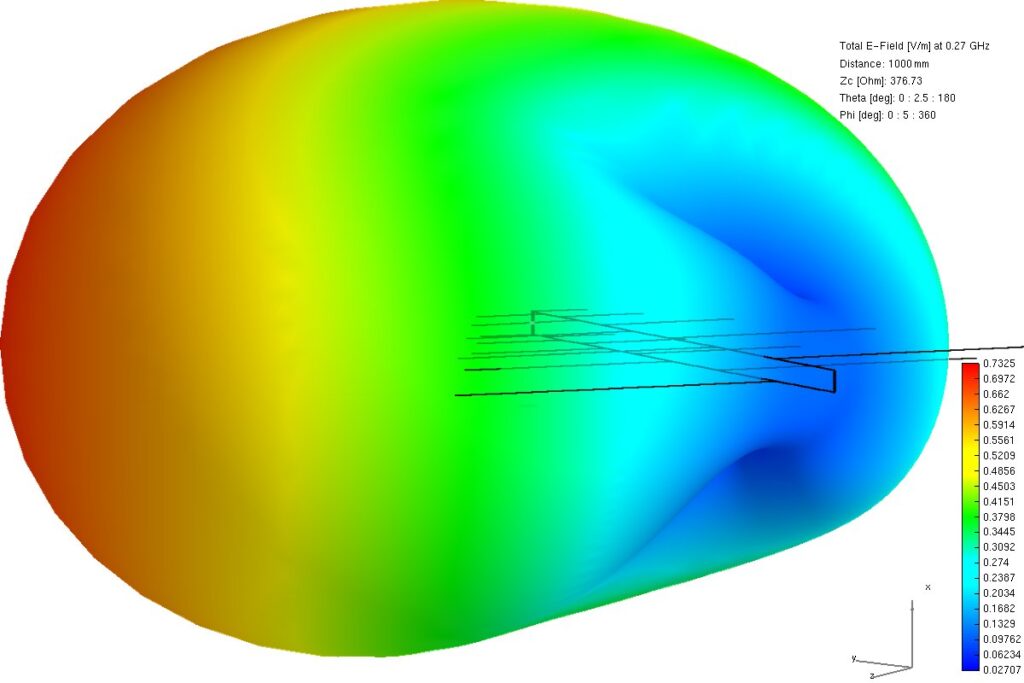
What is the theory of LPDA antenna

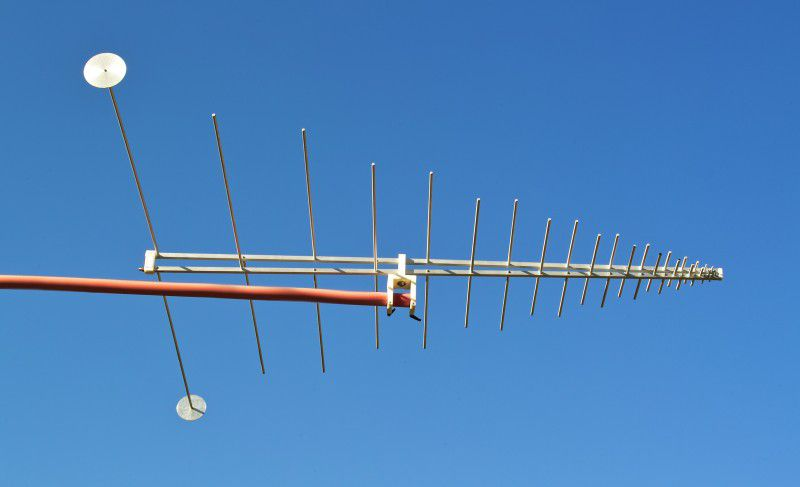
The LPDA’s theory hinges on logarithmic periodicity: dipoles shorten by 10–15% sequentially (length ratio ~0.85–0.95), spaced 20–40% apart, enabling multiple elements to resonate across octaves (e.g., 100MHz–1GHz), sustaining high gain (10–15dBi) and stable impedance via forward-wave coupling. Basic Idea and Common Uses A typical LPDA for VHF/UHF TV reception might cover ​​174-230 MHz​​ for VHF

What is the theory of LPDA antenna Read More »

What is a gain antenna

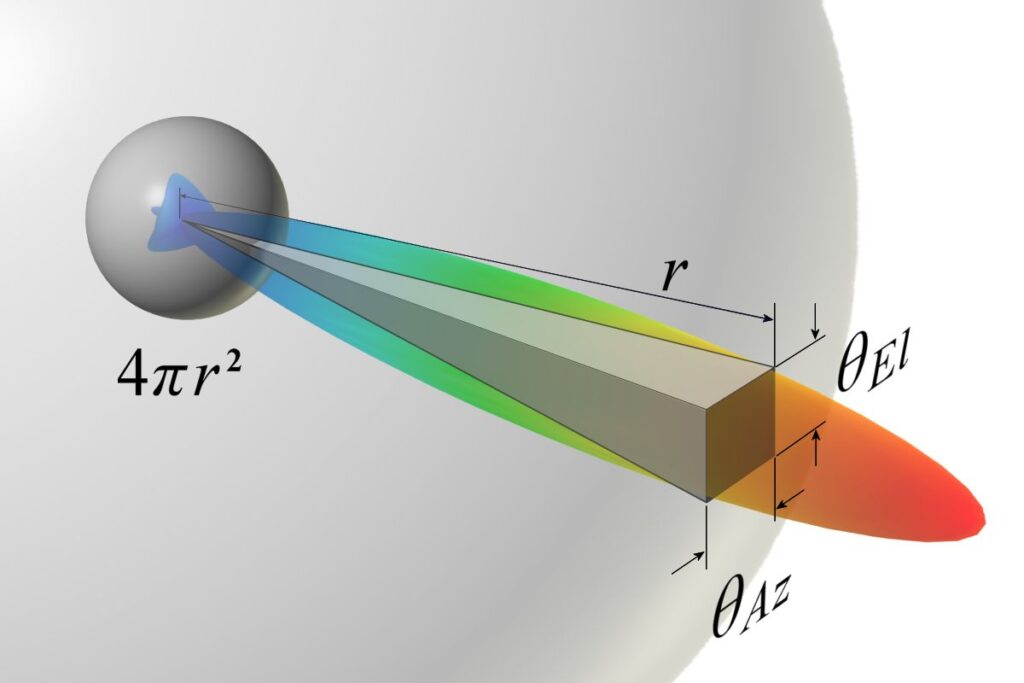
A gain antenna focuses RF energy directionally to enhance signal strength in target areas; e.g., a parabolic reflector with 20dBi gain (vs. ~2dBi for omni) uses its curved surface to concentrate waves, reducing dispersion and boosting range/clarity by 10x or more over isotropic radiators. ​​Basic Idea of Antenna Gain​​ A common 2.4 GHz Wi-Fi router

What is a gain antenna Read More »

How does a microwave antenna work

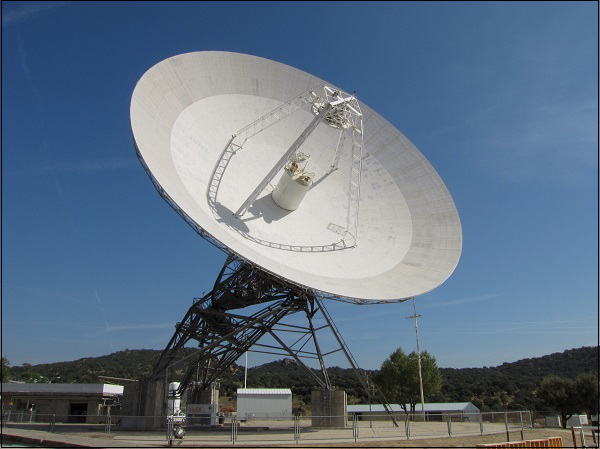
A microwave antenna transmits/receives RF signals (typically 1-300GHz) by converting electrical pulses to electromagnetic waves (Tx) or vice versa (Rx). For example, 5G mmWave antennas (24-47GHz) use patch radiators: feed lines inject 10-20dBm signals, exciting surface currents to radiate waves. With 15-20dBi gain and >80% efficiency, they focus beams (1-5° width) to boost signal strength

How does a microwave antenna work Read More »

How Does a Waveguide Duplexer Function in 5G Systems

A 5G waveguide duplexer isolates transmit (TX) and receive (RX) signals in mmWave bands (e.g., 24-47GHz), critical for avoiding self-interference. Using resonant cavities or E-plane filters, it achieves >50dB isolation between TX (up to 100W power) and RX (<-100dBm sensitivity), with insertion loss <1.5dB, enabling simultaneous operation in high-bandwidth (100MHz+) 5G NR links.​ What is

How Does a Waveguide Duplexer Function in 5G Systems Read More »

What is the use of LPDA antenna

LPDA antennas excel in wideband signal interception (70MHz–18GHz), with 10–15dBi gain; used in electronic warfare to track 5+ comms protocols simultaneously, exploiting their frequency-agnostic radiation pattern for consistent, multi-spectrum surveillance.​ How an LPDA Works A simple half-wave dipole antenna is designed to be ​​highly efficient at one specific frequency​​. For example, a dipole cut for

What is the use of LPDA antenna Read More »

What does a sector antenna do

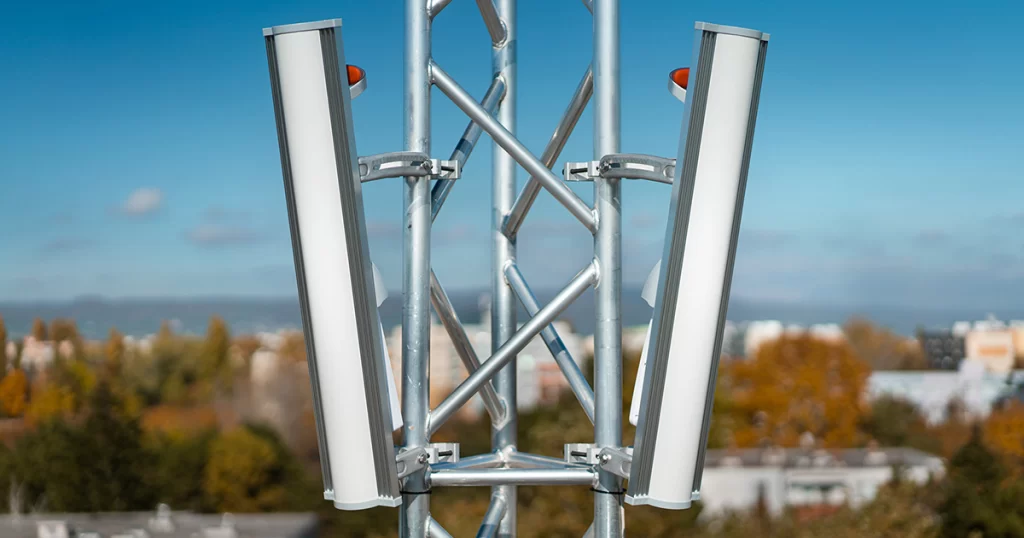
A sector antenna focuses wireless signals into a specific angular sector (typically 60°–120°) to cover targeted areas with high gain (15–20dBi), minimizing interference. It’s used in LTE/5G base stations and Wi-Fi networks to efficiently extend range and capacity in dense or rural areas. What is a Sector Antenna At 2.4 GHz, a standard 120° sector

What does a sector antenna do Read More »

What are the 5 Testing Methods for Antenna Components

Antenna component testing involves radiation pattern measurement (360° azimuth scan, 0.5° step, field strength logged), return loss checks (2.4-5GHz via VNA, target >10dB), gain verification (comparing to 10dBi standard horn in far-field, ratio within ±0.5dB), polarization testing (90° linear probe rotation, signal difference <3dB), and impedance matching (S11 <-10dB at center freq ±10% bandwidth using

What are the 5 Testing Methods for Antenna Components Read More »

What are the 3 Main Types of Open Ended Waveguide

The three main open-ended waveguide types are rectangular (e.g., WR-90 with 22.86mm×10.16mm dimensions for 8-12GHz), circular (30mm diameter supporting TE11 mode at 3GHz), and sectoral (60° angle for directional coupling, optimized for 10-15GHz testing). ​​Standard Rectangular Waveguide Design​​ Their design is standardized by a numbering system (like WR-90), where the “WR” prefix stands for “Waveguide,

What are the 3 Main Types of Open Ended Waveguide Read More »

5 Factors to Consider When Selecting Antenna Kits

Selecting antenna kits requires evaluating frequency range (e.g., 2.4/5GHz for Wi-Fi, ±100MHz bandwidth), gain (8dBi directional vs. 2dBi omnidirectional for coverage trade-offs), 50Ω impedance matching (insertion loss <0.5dB to avoid signal degradation), environmental ratings (IP67 for dust/water, -40°C to 85°C operating temp), and MIMO compatibility (2×2/4×4 streams for throughput optimization). Frequency Range Needs ​An antenna

5 Factors to Consider When Selecting Antenna Kits Read More »

Scroll to Top
Blank Form (#3)