+86 29 8881 0979

Author name: Dolph

Rigid waveguide material selection | 4 criteria to use

When selecting rigid waveguide materials, consider conductivity, thermal stability, mechanical strength, and cost. Copper (5.8×10⁷ S/m conductivity) is ideal for low-loss applications but oxidizes above 150°C. Aluminum (3.5×10⁷ S/m) offers lightweight alternatives with 60% lower weight than brass. For high-power systems (e.g., radar), silver-plated brass reduces surface roughness to <0.1µm, cutting attenuation by 15%. Stainless […]

Rigid waveguide material selection | 4 criteria to use Read More »
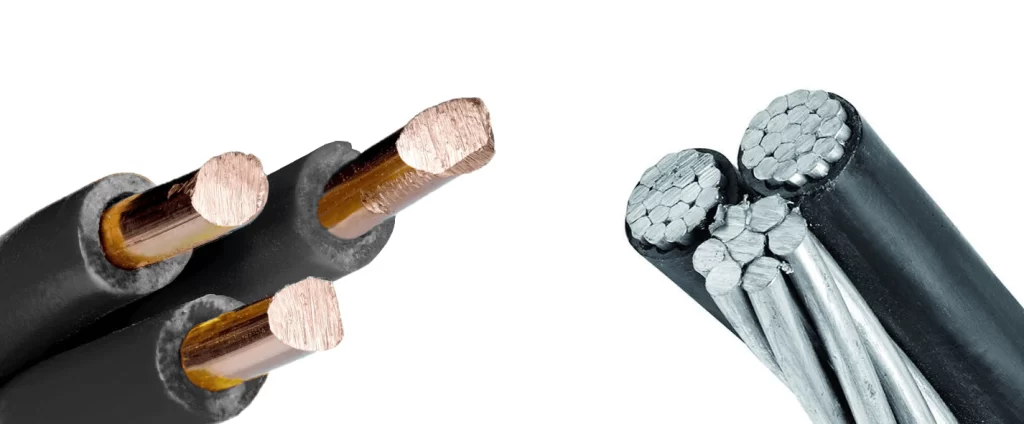
Aluminum vs copper waveguide | 7 performance differences compared

Aluminum waveguides offer 30-40% weight reduction and 5-15% cost savings versus copper, but with 20-30% higher signal loss above 18 GHz. Copper provides superior conductivity (100% IACS vs aluminum’s 61%), reducing attenuation by 0.5-2 dB/meter in high-frequency applications. Aluminum’s oxidation resistance lowers maintenance, while copper’s solderability simplifies assembly. For mmWave systems (24-100 GHz), copper’s performance

Aluminum vs copper waveguide | 7 performance differences compared Read More »

Flexible waveguide price factors | 5 cost drivers explained

Flexible waveguide pricing depends on material (PTFE vs. metallic alloys, ±15-30% cost variance), frequency range (higher frequencies increase cost by 20-40%), customization (bespoke designs add 25-50%), production volume (bulk orders reduce unit cost by 10-25%), and coating requirements (e.g., gold plating adds $50-200 per unit). Lead times under 4 weeks may incur rush fees. ​​Material

Flexible waveguide price factors | 5 cost drivers explained Read More »

Conical waveguide benefits | 4 technical advantages

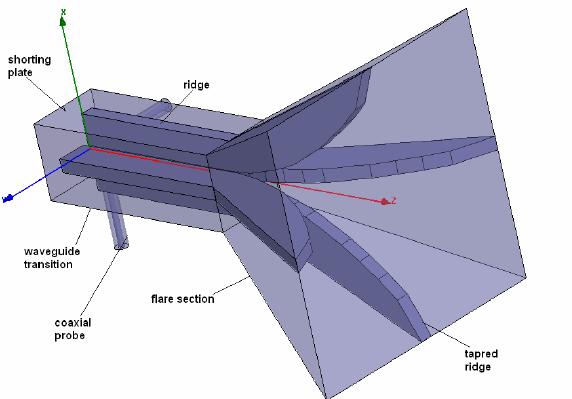
Conical waveguides offer broadband performance (e.g., 2:1 frequency ratio), low VSWR (<1.2:1), smooth mode transitions (reducing reflections by 20–30 dB), and flexible polarization handling (supporting TE/TM modes). Their tapered design minimizes impedance mismatch, making them ideal for feeds in parabolic antennas and radar systems. ​​Wider Frequency Coverage​ Conical waveguides outperform traditional rectangular or circular waveguides

Conical waveguide benefits | 4 technical advantages Read More »

How to choose rectangular waveguide sizes | 5 key factors

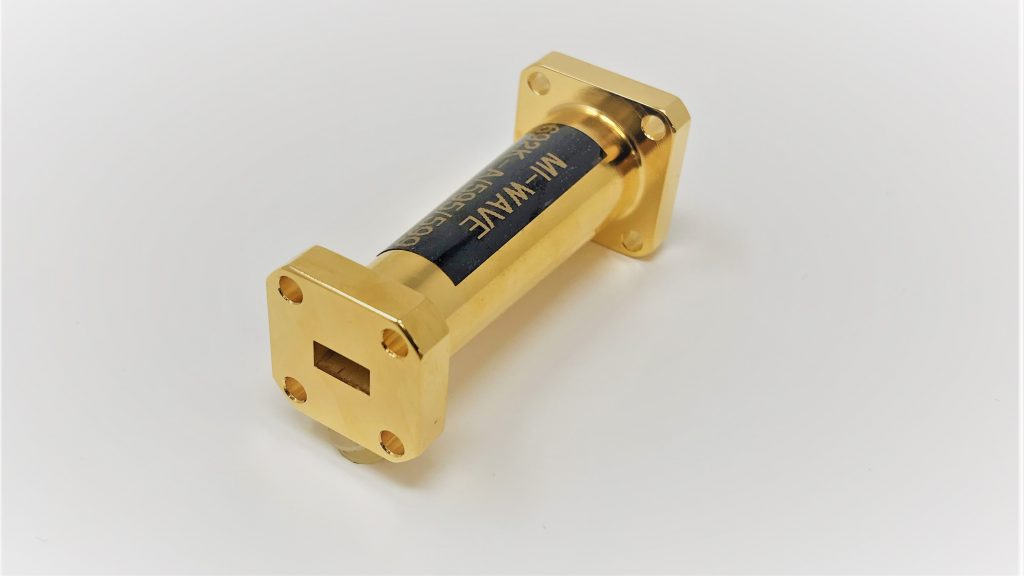
When selecting a rectangular waveguide size, consider the operating frequency (e.g., WR-90 for 8.2–12.4 GHz), cutoff frequency (ensure it’s 25–30% below the operating frequency), power handling (e.g., WR-112 handles 1.5 MW at 2.45 GHz), attenuation (lower for longer runs, like 0.1 dB/m in WR-62), and mechanical constraints (e.g., WR-430’s 4.3×2.15″ size for high power). Match

How to choose rectangular waveguide sizes | 5 key factors Read More »

Antenna Couplers vs Splitters | 3 differences explained

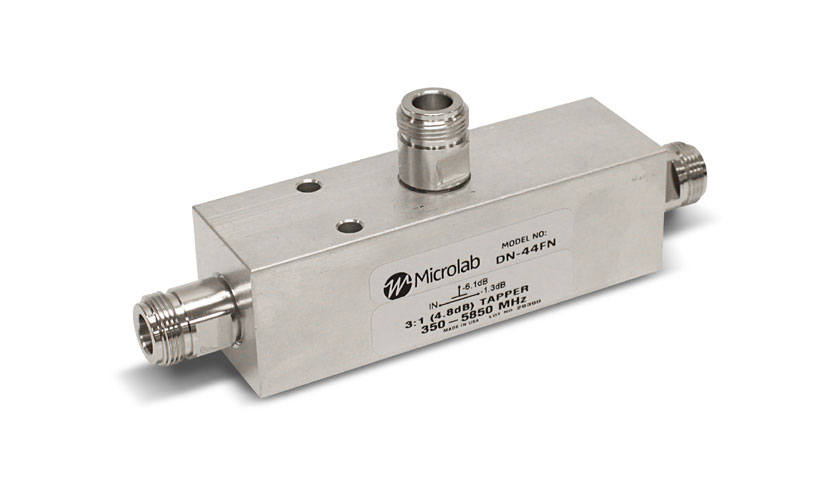
​Antenna couplers ​​preserve signal strength​​ with ​​<1dB insertion loss​​, while splitters ​​divide power evenly​​, causing ​​3–6dB loss per output port​​. Couplers ​​isolate ports (30–40dB isolation)​​ to prevent interference, whereas splitters have ​​minimal isolation (10–20dB)​​, risking ​​cross-talk in multi-device setups​​. Frequency range differs—couplers handle ​​0.5–40GHz with ±0.5dB flatness​​, but splitters typically support ​​0.1–6GHz with ±2dB variance​​.

Antenna Couplers vs Splitters | 3 differences explained Read More »

Phased Array Antenna manufacturers | top 5 guide

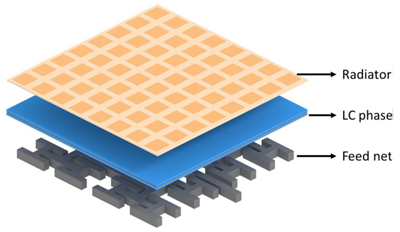
The global phased array antenna market is dominated by key players like Raytheon Technologies (30% market share), specializing in military-grade systems with 90° beam steering. Lockheed Martin’s AESA radars achieve 360° coverage with <1ms response time. Qorvo leads in 5G applications, producing compact 28GHz arrays with 256 elements. Huawei’s mMIMO antennas support 64T64R configurations for

Phased Array Antenna manufacturers | top 5 guide Read More »

Waveguide Magic Tee installation | 5 step process

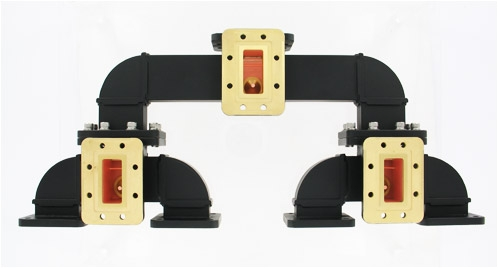
​Installing a waveguide Magic Tee requires precision: first, align the E-arm and H-arm ports within 0.002″ tolerance using laser alignment tools. Secure flange connections with torque-controlled wrenches (12-15 lb-ft for standard WR-90 waveguides). Apply conductive epoxy (0.1mm thickness) at joints to maintain VSWR below 1.25:1. Test isolation between collinear ports (should exceed 30dB at 8-12GHz

Waveguide Magic Tee installation | 5 step process Read More »

Custom vs Standard Antennas | 4 key contrasts

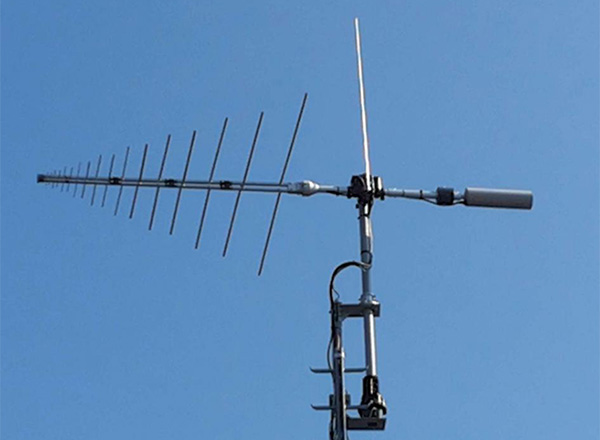
Custom antennas are ​​tailored for specific applications​​, offering ​​optimized gain (3–5dB higher than standard)​​ and ​​precise frequency matching (±1% tolerance)​​, while ​​off-the-shelf antennas​​ provide ​​general-purpose performance (±5% frequency variance)​​ at ​​40–60% lower cost​​. Custom designs accommodate ​​unique form factors​​ (e.g., conformal aerospace shapes) with ​​IP67+ environmental protection​​, whereas standard antennas are limited to ​​mass-produced sizes

Custom vs Standard Antennas | 4 key contrasts Read More »

Flexible Waveguide types | 3 differences comparison

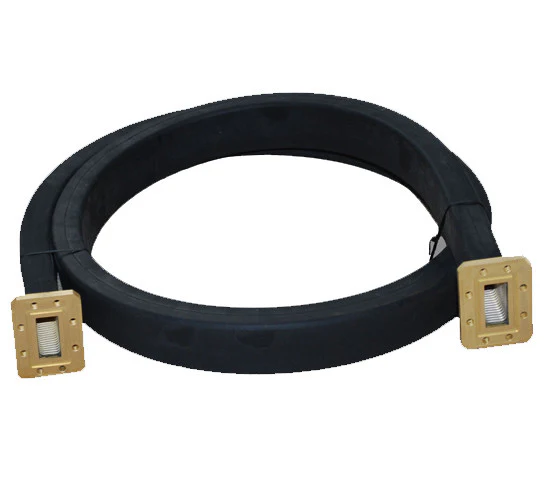
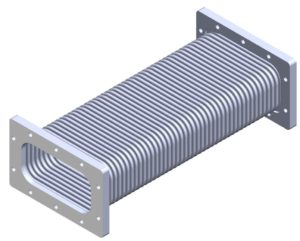
Flexible waveguides vary primarily in ​​material composition​​, ​​frequency range​​, and ​​bend radius tolerance​​. ​​Corrugated copper waveguides​​ offer ​​low loss (0.1–0.3 dB/m) for 5–110 GHz​​ but require ​​≥10x diameter bend radius​​, while ​​polymer-coated helical waveguides​​ allow ​​tighter bends (3x diameter)​​ with ​​higher attenuation (0.5–1.2 dB/m)​​. ​​Dielectric-core flexible waveguides​​ support ​​26.5–40 GHz​​ with ​​0.4 dB/m loss​​ but

Flexible Waveguide types | 3 differences comparison Read More »

Scroll to Top
Blank Form (#3)