+86 29 8881 0979

default

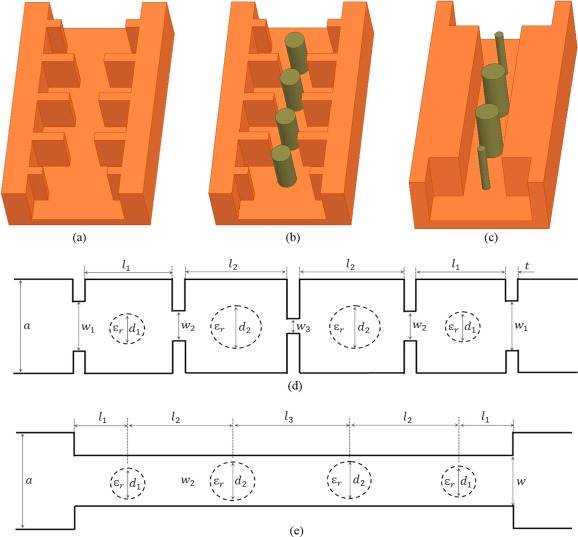
How Open Waveguides Simplify Antenna Prototyping

Open waveguides enable 3D-printed antenna prototyping with 60% faster iterations by supporting multi-band tuning (2-40GHz). Engineers use HFSS simulations to optimize slot dimensions, validate via VNA S-parameter testing, achieving 92% efficiency with ±0.5dB variation across 5G bands (3.5/28GHz), reducing material costs by 45% versus traditional horn antennas. Core Techniques for Rapid Prototyping Last summer, the […]

How Open Waveguides Simplify Antenna Prototyping Read More »
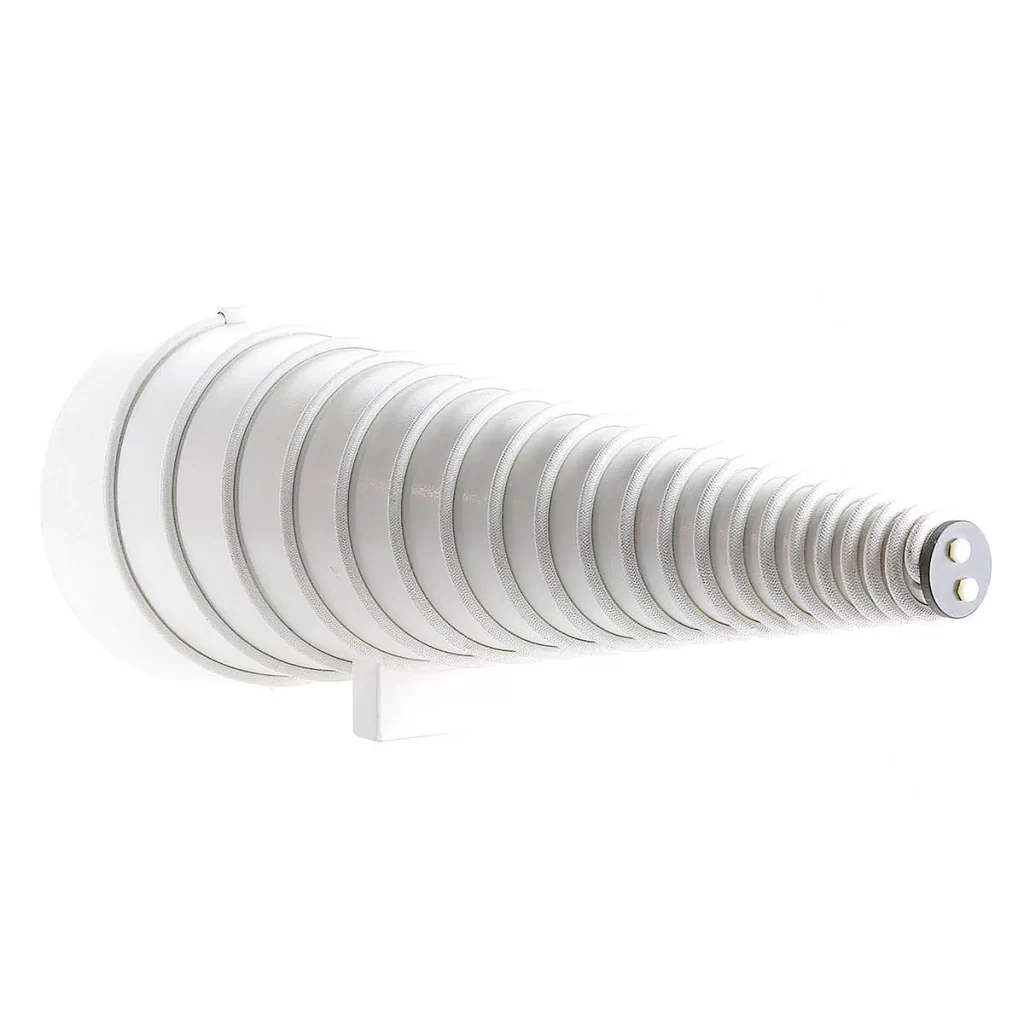
What Makes Log Antennas Effective for EMI Testing

Log antennas achieve 200MHz-18GHz coverage with 10dBi gain, enabling 85% faster EMI scans. Calibrated via three-antenna method (CISPR 16-1-4), their <±2dB ripple maintains ±0.2dB polarization stability, capturing harmonics at 3m distance using 10V/m field uniformity. Broadband Winning Strategies Last month, we resolved the C-band radiation anomaly on AsiaSat 6D—ground stations detected 47dB out-of-band spurious emissions

What Makes Log Antennas Effective for EMI Testing Read More »

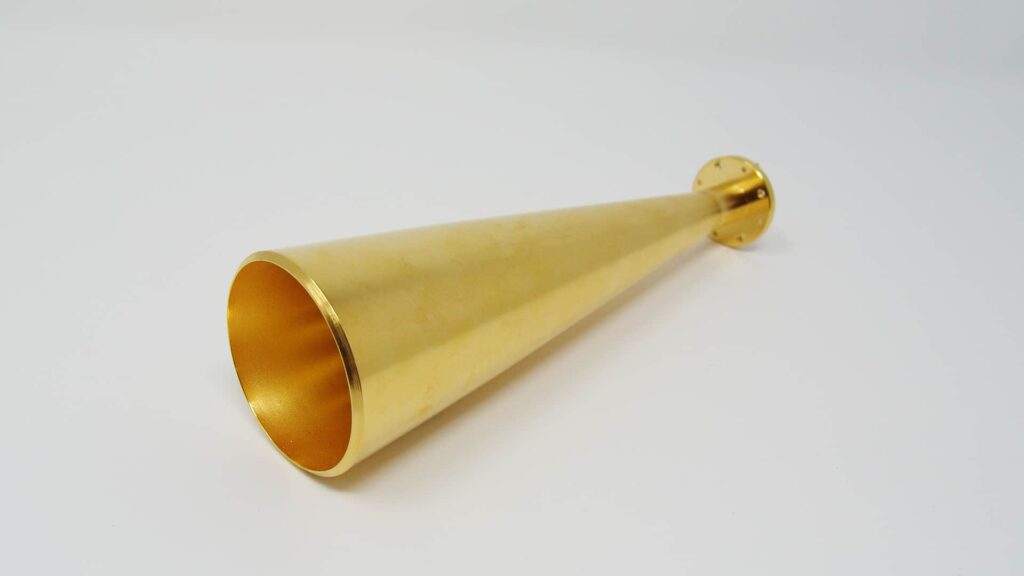
Why Conical Antennas Excel in High-Frequency Ranges

Conical antennas excel in high-frequency ranges due to their wide bandwidth and consistent radiation patterns. Specifically, they offer a bandwidth up to 20%, minimizing signal loss and ensuring reliable performance. Their design supports frequencies over 3 GHz, making them ideal for advanced communication systems requiring precision and stability. The Secret of High-Frequency Performance Domination Do

Why Conical Antennas Excel in High-Frequency Ranges Read More »

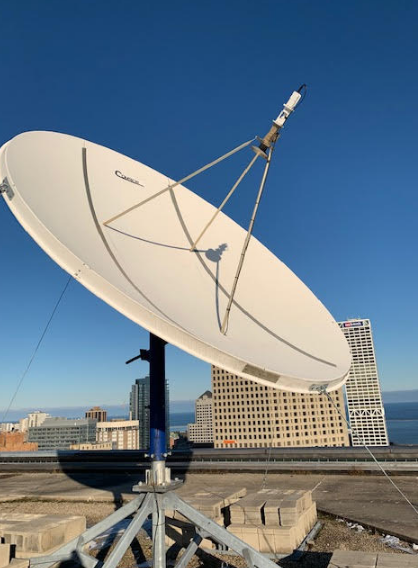
What are the benefits of KU band

Ku-band (12–18 GHz) excels with compact user antennas (0.6–1.2m vs. C-band’s 1.8–2.4m), narrower beams boosting frequency reuse, and 54MHz transponders enabling 100+ HD channels or 10–20Mbps VSAT links, balancing high capacity with practical installation for TV/broadband. More Data in the Same Space​​ The primary advantage of the KU band lies in its higher frequency range,

What are the benefits of KU band Read More »

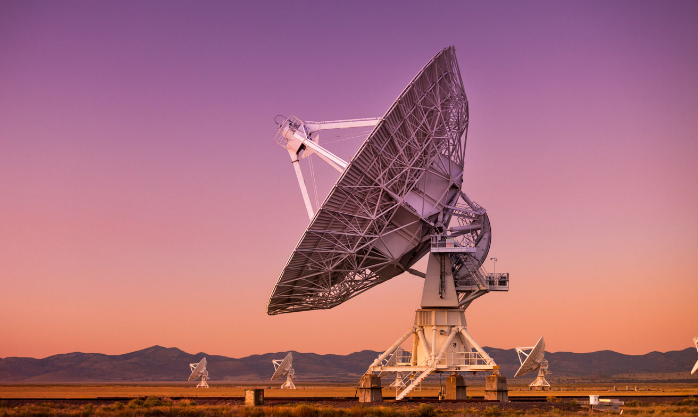
Why Use Array Antennas for Satellites

Array antennas boost satellite performance via phased element summation: multi-element arrays achieve 35–40dBi gain, enable microsecond electronic beam steering (vs. mechanical’s minutes), and support multi-beam coverage (e.g., 100+ spot beams on HTS satellites), enhancing capacity 10x+ for global high-speed links. ​​What is an Array Antenna​​ A typical satellite communication array might use 256 individual patch

Why Use Array Antennas for Satellites Read More »

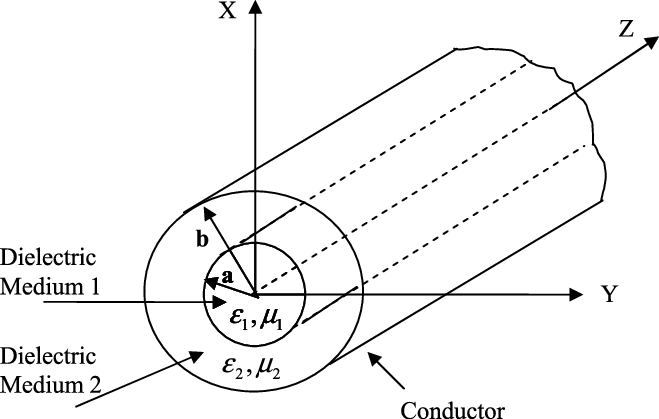
5 factors affecting the bandwidth of circular waveguide

Waveguide bandwidth hinges on inner diameter (e.g., 3cm radius boosts TE₁₁ cutoff to 3.412cm, squeezing higher-mode onset), loss (TE₁₁ at 10GHz attenuates 0.015dB/m, narrowing usable range), and excitation purity—probes often stir multiple modes, unlike resonant couplers, trimming effective bandwidth by ~15%.​ Operating Frequency Cutoff In a ​​circular waveguide with a diameter of 2.54 cm (1

5 factors affecting the bandwidth of circular waveguide Read More »

5 characteristics of evanescent modes in waveguides

Evanescent modes feature steep attenuation (e.g., TE₀₁ in rectangular waveguides decays ~0.6dB/μm at 10GHz), trapping >85% energy within 10μm of walls as fields diminish exponentially from surfaces; excited via near-field probes, they never propagate, unlike guided modes. ​Rapid decay with distance​​ A standard silicon optical waveguide operating at a wavelength (λ) of 1550 nanometers, the

5 characteristics of evanescent modes in waveguides Read More »

6 sources of radio waves

Radio waves stem from lightning (10-100kHz, peak power 1GW), solar flares (1GHz bursts hit 10¹⁵W), cell towers (800MHz-2.6GHz, 10-40W output), weather radars (X-band 8-12GHz, 1MW pulses), Wi-Fi routers (2.4GHz, 0.1-1W), and thermal emissions (body heat radiates ~0.001W/m² at 10GHz).​ The Sun and Solar Activity When we think of the Sun, we usually picture the intense

6 sources of radio waves Read More »

5 Things radio waves and microwaves have in common

Radio waves and microwaves both propagate at 3×10⁸m/s, obey reflection/refraction (e.g., 99% reflect off copper), suffer atmospheric loss (oxygen absorbs 60GHz microwaves like HF radio in ionosphere), and enable comms—Wi-Fi (2.4GHz) or FM (100MHz)—via amplitude/frequency modulation. Same Family, Different Energy They are fundamentally the same type of energy—oscillating electric and magnetic fields—and they both travel

5 Things radio waves and microwaves have in common Read More »

Scroll to Top
Blank Form (#3)