+86 29 8881 0979

default

Top 7 Custom Antenna Solutions for RF Applications

Customized antenna solutions include: 1. PCB antenna (efficiency>80%); 2. Ceramic antenna (gain about 2dBi); 3. Chip antenna (size<5x5mm); 4. Helical antenna (covering frequency 700-2700MHz); 5. Flat antenna (high directivity); 6. PIFA antenna (multi-band support); 7. Yagi antenna (long-distance transmission). The choice depends on application requirements and performance indicators. High-Gain Antenna Selection During APSTAR-6D satellite in-orbit […]

Top 7 Custom Antenna Solutions for RF Applications Read More »
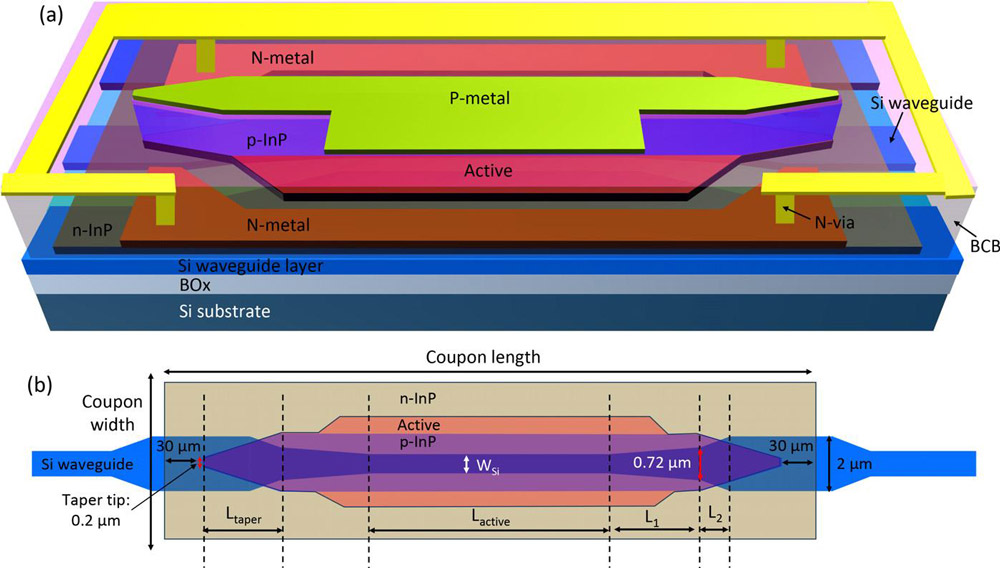
Waveguide Fabrication Process | 7 Critical Steps Explained

Waveguide production includes 7 key steps: 1. Design simulation (HFSS/CST software); 2. Material selection (such as aluminum, copper or ceramic); 3. Machining (CNC accuracy ±0.01mm); 4. Surface treatment (gold/silver plating, thickness ≥5μm); 5. Assembly (flange connection or welding); 6. Testing (vector network analyzer test S parameters); 7. Sealing and protection (IP67 grade). Each step requires

Waveguide Fabrication Process | 7 Critical Steps Explained Read More »

Flexible Waveguide Manufacturers | 6 Criteria to Evaluate

Six criteria for evaluating flexible waveguide manufacturers: frequency range coverage (e.g. 2-40GHz), standing wave ratio (VSWR≤1.3), bending radius (minimum 5mm), material temperature resistance (-55℃~+125℃), insertion loss control (≤0.5dB/m), and customized production capabilities (supporting multi-port configuration). Flexure Life Testing Last year, ESA engineers debugging AsiaSat-7 discovered 0.8dB insertion loss anomalies in C-band feed networks. Teardowns revealed

Flexible Waveguide Manufacturers | 6 Criteria to Evaluate Read More »

Custom Waveguide Assemblies | 5 Common Mistakes to Avoid

Five common mistakes in customizing waveguide components: not selecting materials according to the frequency range (such as 2-40GHz), ignoring the standing wave ratio (VSWR>1.5), assembly tolerance exceeding ±0.05mm, not performing environmental testing (-55℃~+85℃), and ignoring connector alignment error <0.1mm. Measurement Mistakes Last year during AsiaSat-7 waveguide installation, an engineer measured flange step height as 0.25

Custom Waveguide Assemblies | 5 Common Mistakes to Avoid Read More »

Custom Antenna Solutions | 5 Industry-Specific Applications

Customized antenna solutions are widely used in five major industries: communications (5G base station coverage increased by 30%), medical (MRI equipment signal enhanced by 25%), transportation (vehicle V2X communication reliability reaches 99.9%), industry (RFID reading distance increased to 15 meters), and aerospace (satellite communication gain increased by 5dB). Military Encryption Requirements At 3 AM, the

Custom Antenna Solutions | 5 Industry-Specific Applications Read More »

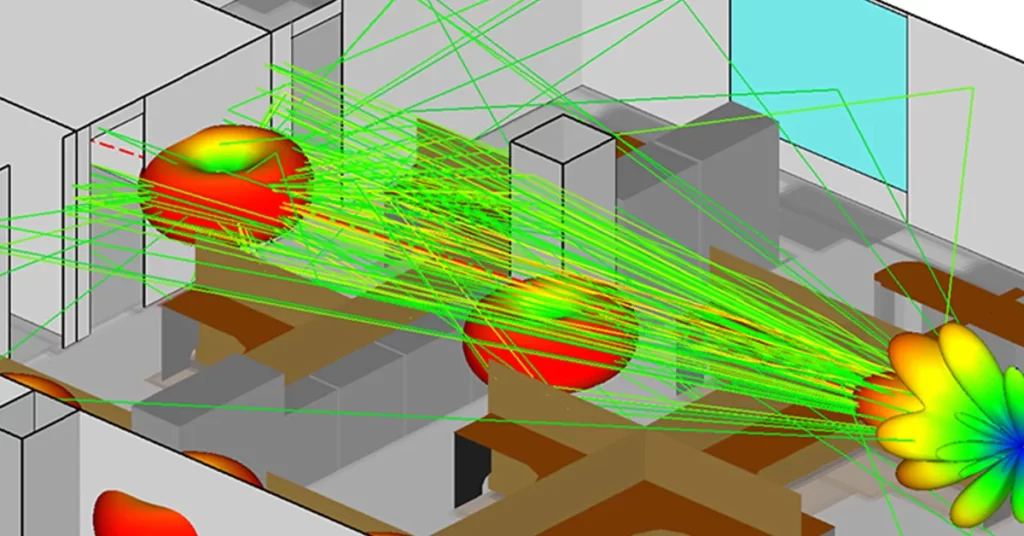
Custom Antenna Design | 7 Tips for Optimal Performance

There are seven key points in custom antenna design: 1) frequency band matching (such as 2.4/5GHz dual-band); 2) gain optimization (≥8dBi); 3) low standing wave ratio (VSWR<1.3); 4) material selection (RO4350B high-frequency board); 5) 3D electromagnetic simulation (HFSS/CST verification); 6) environmental testing (-40℃~85℃); 7) impedance matching (50Ω±5%). Radiation Pattern Adjustment Last month we handled APT-6D

Custom Antenna Design | 7 Tips for Optimal Performance Read More »

Choosing RF Antenna Suppliers | 5 Must-Check Parameters

When selecting an RF antenna supplier, you need to examine: 1) frequency range (e.g. 2.4-5.8GHz); 2) gain (≥5dBi); 3) standing wave ratio (VSWR<1.5); 4) material (FR4 or PTFE); 5) test report (compliant with FCC/CE standards). R&D Team Scale 3AM satellite platform emergency alert: a Ku-band phased array antenna’s VSWR suddenly spiked to 2.5, triggering automatic

Choosing RF Antenna Suppliers | 5 Must-Check Parameters Read More »

Best Practices for Waveguide Fabrication in 2025

In 2025, waveguide manufacturing will use nanoimprint lithography (±10nm accuracy), low-loss silicon nitride (≤0.1dB/cm), combined with PECVD deposition (300°C) and femtosecond laser cutting (roughness <50nm), with AOI inspection yield >99.8%. How to Select Materials Last month we just handled the vacuum leak incident of the APT-6D satellite’s waveguide components – the flange material’s on-orbit thermal

Best Practices for Waveguide Fabrication in 2025 Read More »

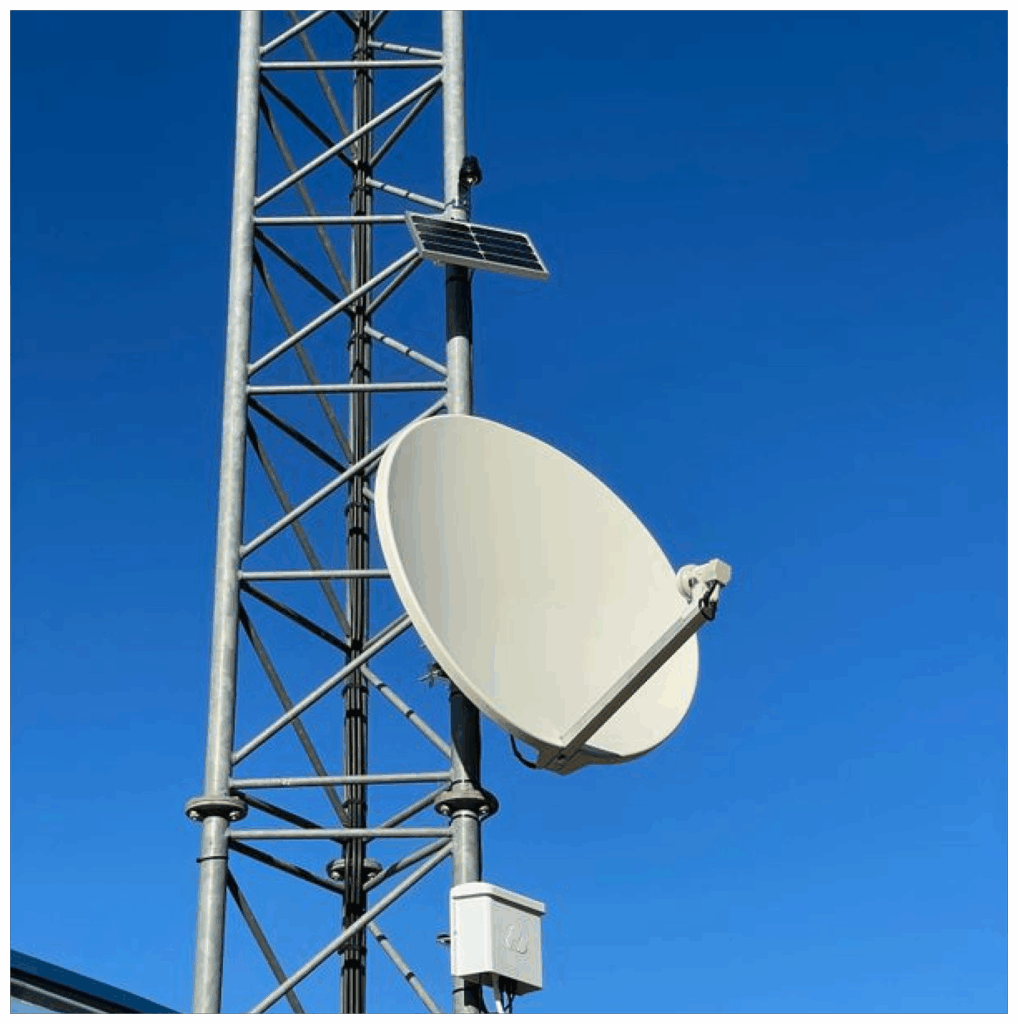
VSAT Antenna Cost Breakdown | 5 Factors Impacting Price 2025 Update

The cost of VSAT antennas in 2025 will be affected by five factors: 1) Antenna size, which is usually 1.2 meters to 3 meters, and the price increases with size; 2) Data transmission rate, with differences in cost per Mbps; 3) Installation difficulty and labor; 4) Equipment brand and quality; 5) Post-operation and maintenance support.

VSAT Antenna Cost Breakdown | 5 Factors Impacting Price 2025 Update Read More »

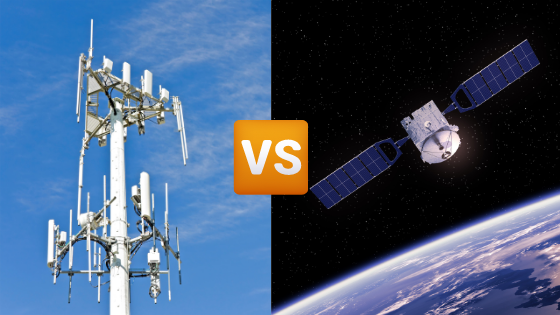
Satellite vs Cellular Antennas | 5 Performance Differences in Remote Areas

Satellite and cellular antennas perform differently in remote areas: 1) Satellites have wide coverage, reaching 99% of the world; 2) Cellular relies on base stations, with coverage as low as 30%; 3) Satellite latency is about 600ms, while cellular latency is about 50ms; 4) Satellite equipment is expensive, requiring large initial investments; 5) Cellular data

Satellite vs Cellular Antennas | 5 Performance Differences in Remote Areas Read More »

Scroll to Top
Blank Form (#3)