+86 29 8881 0979

default

How many holes can be there in a directional coupler

Directional couplers typically have 1–6 coupling holes, depending on type: microstrip designs use 1–3 (for 10–40GHz, <0.5dB loss), while waveguide models may have 4–6 (supporting 50–100W, VSWR<1.2). What’s a “Hole” Here? For context, a typical X-band (8–12GHz) microstrip directional coupler uses coupling holes with diameters ranging from 0.3mm to 0.8mm—​​a 167% variation​​—depending on whether you […]

How many holes can be there in a directional coupler Read More »
What is the difference between transmitting antenna and receiving antenna

A transmitting antenna converts electrical signals into electromagnetic waves, typically handling power levels from 10W to 50kW. A receiving antenna captures these waves and converts them back into electrical signals, usually operating at low power, like -50 dBm to -20 dBm. use Transmitting antennas are used in radio stations, TV signal towers and mobile communication

What is the difference between transmitting antenna and receiving antenna Read More »

What are the characteristics of a standard rectangular waveguide

Standard rectangular waveguides, e.g., WR-90 (22.86×10.16mm), operate in TE10 mode (cutoff λ=2a) with <0.05dB/m loss at 10GHz, VSWR<1.1 in copper designs, ensuring efficient microwave transmission. ​​Shape and Standard Sizes​​ Unlike a simple pipe, a standard rectangular waveguide is not square; its ​​internal width (a)​​ is always precisely twice its ​​internal height (b)​​, creating a classic

What are the characteristics of a standard rectangular waveguide Read More »

Why the rectangular waveguide behaves as a high pass filter

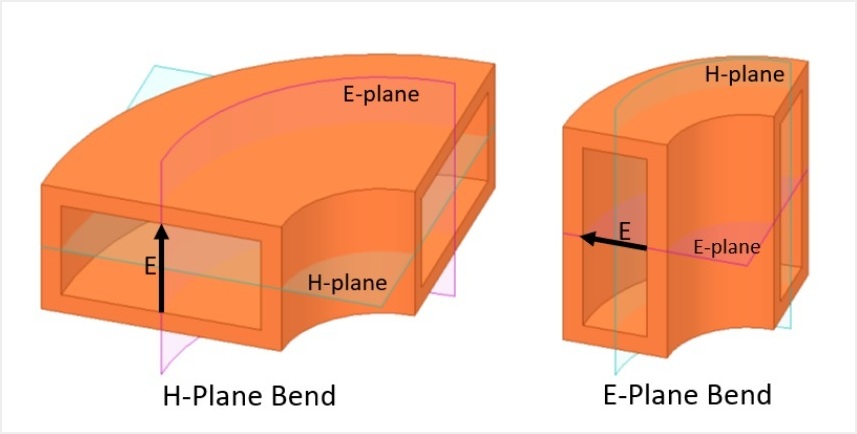
The rectangular waveguide behaves as a high-pass filter due to its cutoff frequency characteristics. When the operating frequency is lower than the cutoff frequency (such as c/(2a) for the TE10 mode), electromagnetic waves cannot propagate. When it is higher than the cutoff frequency, it can be effectively transmitted. It is often used in microwave communication

Why the rectangular waveguide behaves as a high pass filter Read More »

What is the most common reason for failure of coaxial cables

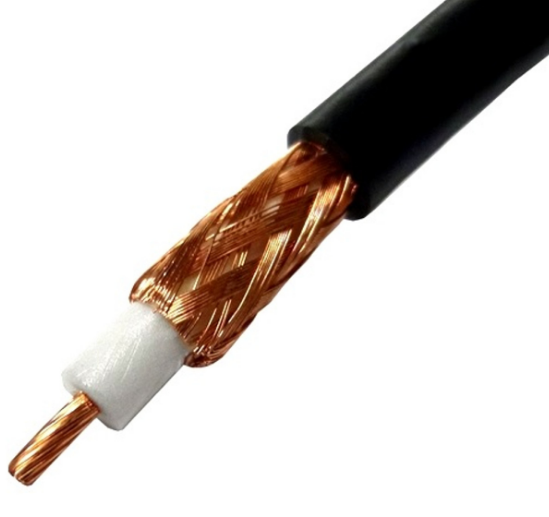
The most common failure is moisture ingress, causing oxidation of the copper center conductor and increasing attenuation. This accounts for over 50% of failures. Prevent this by using waterproof connectors (e.g., IP67 rated) and sealing all outdoor connections with self-amalgamating tape to maintain a stable impedance. Bends and Kinks Data from installation and service reports

What is the most common reason for failure of coaxial cables Read More »

Why is it important to have low SWR when using coaxial cable feed line

Maintaining a low SWR (ideally below 1.5:1) is critical because high reflected power, from a mismatch, can overheat and damage transmitter components. A 3:1 SWR reflects 25% of your power, drastically reducing radiated signal strength and efficiency. Use an antenna analyzer to check SWR before transmission. What is SWR? A low SWR, say ​​1.5:1 or

Why is it important to have low SWR when using coaxial cable feed line Read More »

How far can satellites transmit

Satellites in geostationary orbit (GEO) transmit over vast distances of approximately 36,000 km, resulting in a significant 270-millisecond signal delay. Lower orbit satellites (LEO) are closer at 500-1,200 km, reducing delay but requiring a constellation for coverage. Transmission power and frequency (e.g., Ka-band) are key determinants of the signal’s ultimate reach and data rate. ​​Factors

How far can satellites transmit Read More »

How does a dummy load work

A dummy load is a high-power resistor (typically 50 ohms) that safely dissipates transmitted RF energy as heat, preventing signal radiation. For example, a 100-watt load must dissipate this energy, often using a finned aluminum heat sink and sometimes forced air cooling, allowing safe transmitter testing without an antenna. What is a dummy load For

How does a dummy load work Read More »

What are the different types of horn antennas

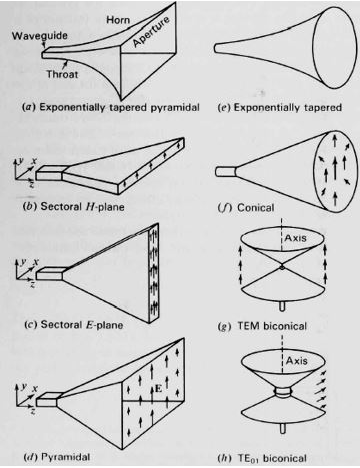
Horn antennas are mainly divided into rectangular horns (such as standard gain 10-20 dBi), circular horns (suitable for wide bandwidth), fan-shaped horns (horizontally or vertically extended beam width), and multi-mode horn antennas, which are designed for different gain and beam width requirements. Standard Horn Antennas During ChinaSat-9B’s orbital testing last year, feed network VSWR suddenly

What are the different types of horn antennas Read More »

Scroll to Top
Blank Form (#3)