+86 29 8881 0979

default

What is the difference between a load bank and a dummy load

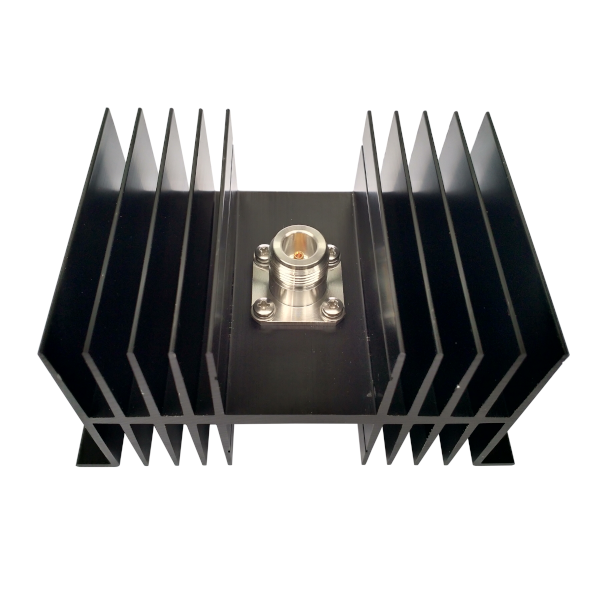
Load banks are large, programmable systems (10-1000kW, ±1% accuracy) for generator/grid testing, while dummy loads are compact, fixed (e.g., 50Ω, 100W) tools for RF/device validation, differing in scale, programmability, and primary use cases. Basic Definitions First A ​​dummy load​​ is a simple, passive device designed to provide a fixed electrical load for basic functional testing. […]

What is the difference between a load bank and a dummy load Read More »
What is an RF termination

An RF termination absorbs RF energy to prevent signal reflections, typically rated at 50Ω/75Ω impedance, handling 10-100W power, used in test setups or systems to maintain signal integrity within DC-6GHz frequency ranges. Definition and Basic Function An RF termination is a simple but critical component used at the end of a transmission line to absorb

What is an RF termination Read More »

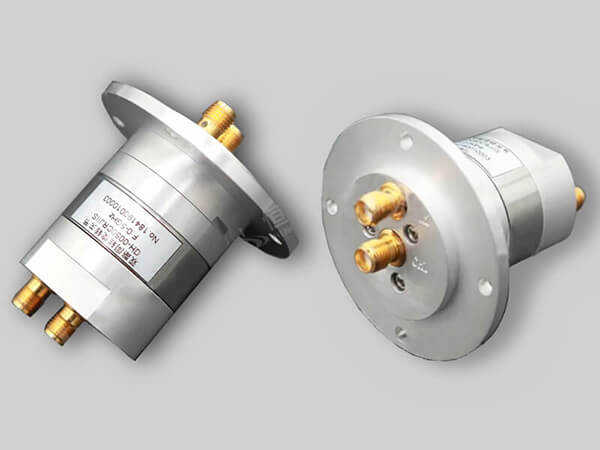
How do RF rotary joints work

RF rotary joints transmit RF signals during rotation using sliding gold-plated contacts (12-24 channels) or capacitive coupling, maintaining <0.5dB insertion loss from DC-60GHz, enabling 360° movement in radar/communication systems without signal degradation. Basic Working Principle An RF rotary joint, often called a slip ring, is a precision electromechanical device that enables the continuous transmission of

How do RF rotary joints work Read More »

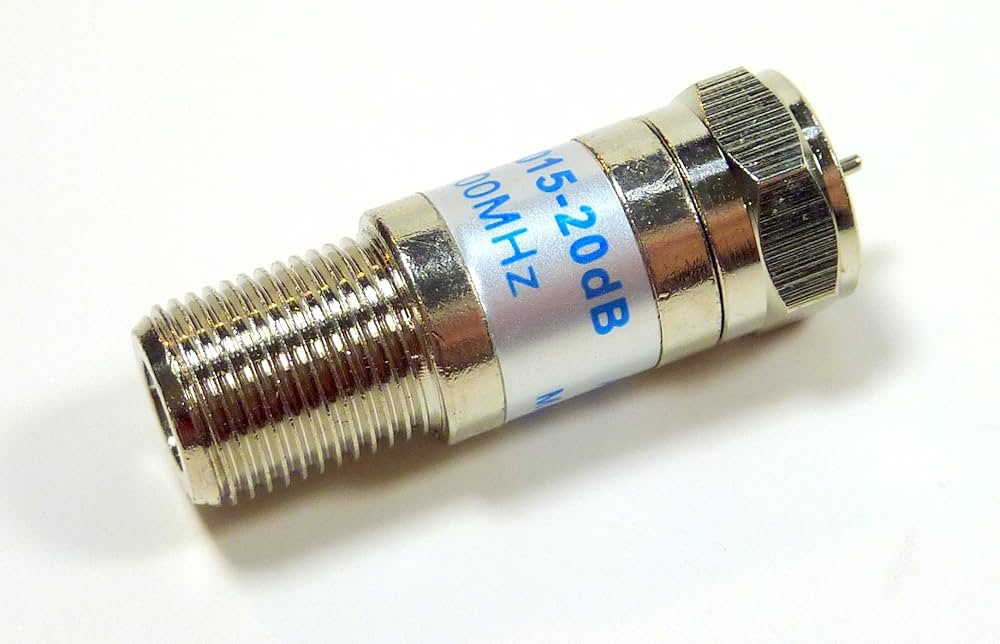
How do I choose the right coaxia attenuator

To select the right coaxial attenuator, match its frequency range (e.g., 50MHz–6GHz) to your system’s operating band. Choose attenuation (3dB/10dB) based on signal level needs; ensure power handling (≥10W CW) exceeds peak input. Prioritize low VSWR (≤1.5) for minimal reflection, and verify with a network analyzer. Opt for corrosion-resistant materials (brass/stainless steel) for durability. Understand

How do I choose the right coaxia attenuator Read More »

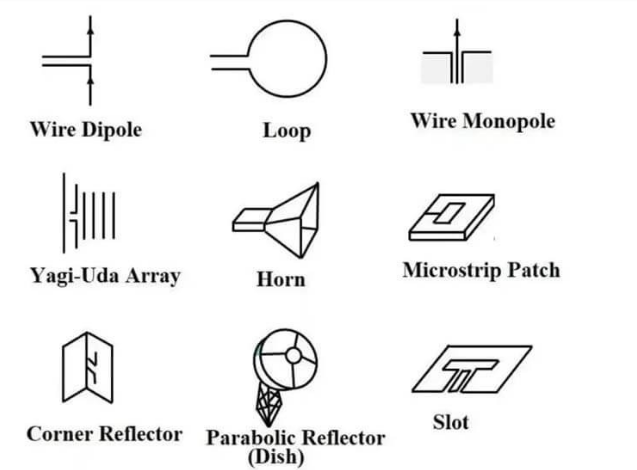
Which type of antenna is typically used for long distance communication

Parabolic dish antennas, common in long-distance communication, feature high gain (30–40 dBi) and narrow beamwidth (1–2° half-power), ideal for focusing signals over kilometers. Operating at 2–40 GHz (e.g., satellite links), a 1m diameter dish minimizes path loss; precise pointing (<0.1° alignment) ensures strong reception, outperforming omnidirectional antennas by 20–30 dB in distant transmission. Antennas for

Which type of antenna is typically used for long distance communication Read More »

What is the difference between O-ring and U seal

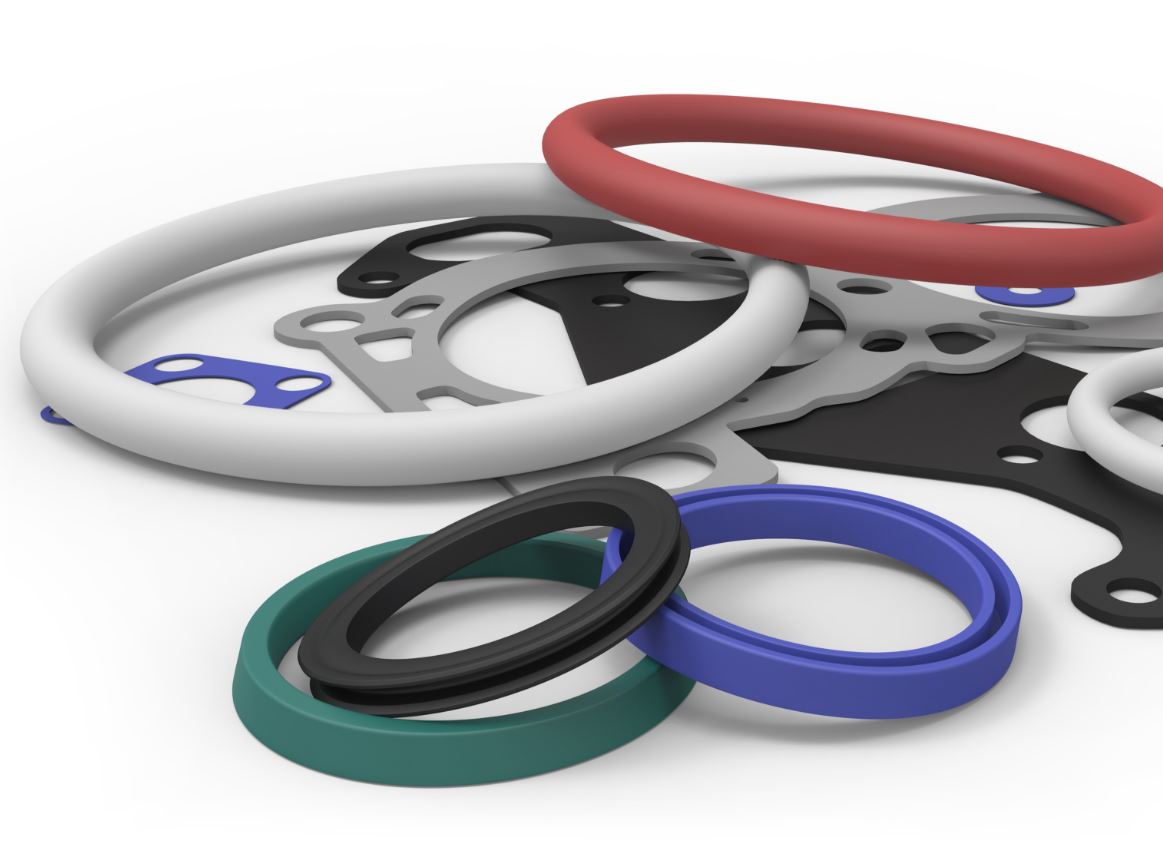
O-rings are circular elastomeric seals (e.g., nitrile, Viton) with a round cross-section, ideal for static/dynamic applications up to 3,000 psi, sealing via radial compression between mating surfaces. U-seals, U-shaped with a lip, handle higher pressures (5,000+ psi) in reciprocating motion (e.g., hydraulics), resisting extrusion better due to their profile, reducing wear in high-cycle systems. Basic

What is the difference between O-ring and U seal Read More »

Can you use WD-40 on O-rings

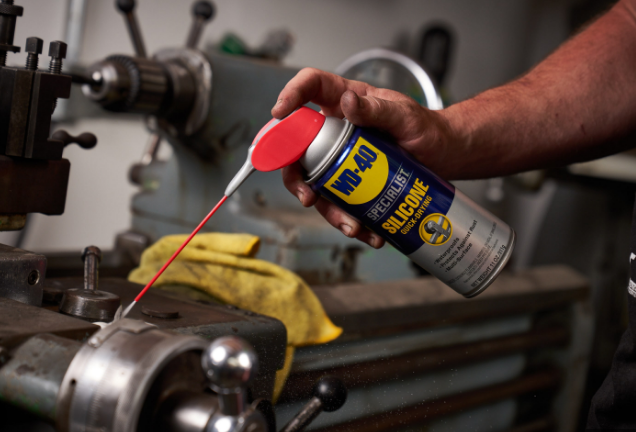
Avoid using WD-40 on O-rings, as its petroleum-based formula can soften or swell most elastomers—nitrile (NBR) O-rings may swell >10% after 24 hours, reducing sealing efficiency. Instead, use silicone or fluoropolymer-based lubricants (compatible with NBR/FKM) to maintain flexibility; clean with mild soap if needed. What Are O-Rings Made Of? O-rings might look like simple loops

Can you use WD-40 on O-rings Read More »

How does a waveguide get damaged

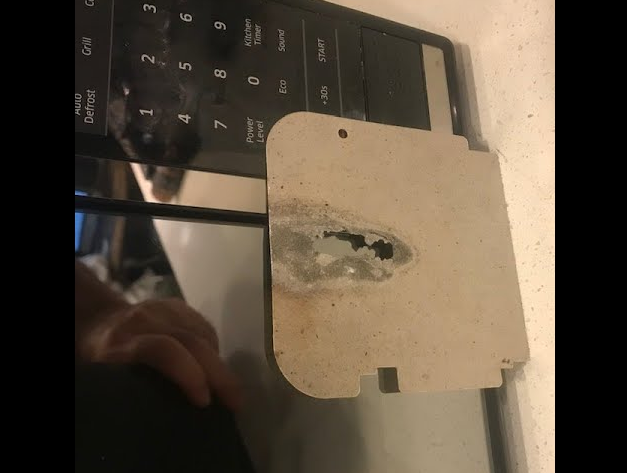
Waveguides sustain damage through mechanical stress (e.g., bending beyond 1.5× their broad-wall width causes cracks), thermal shock (exposure to >300°C for copper warps walls), corrosion (saltwater/moisture erodes uncoated aluminum in 6+ months), physical impact (drops dent surfaces, disrupting fields), or particle contamination (dust/debris induces arcing at high power, reducing efficiency by 10–15%). Bent or Crushed

How does a waveguide get damaged Read More »

Does waveguide get hot

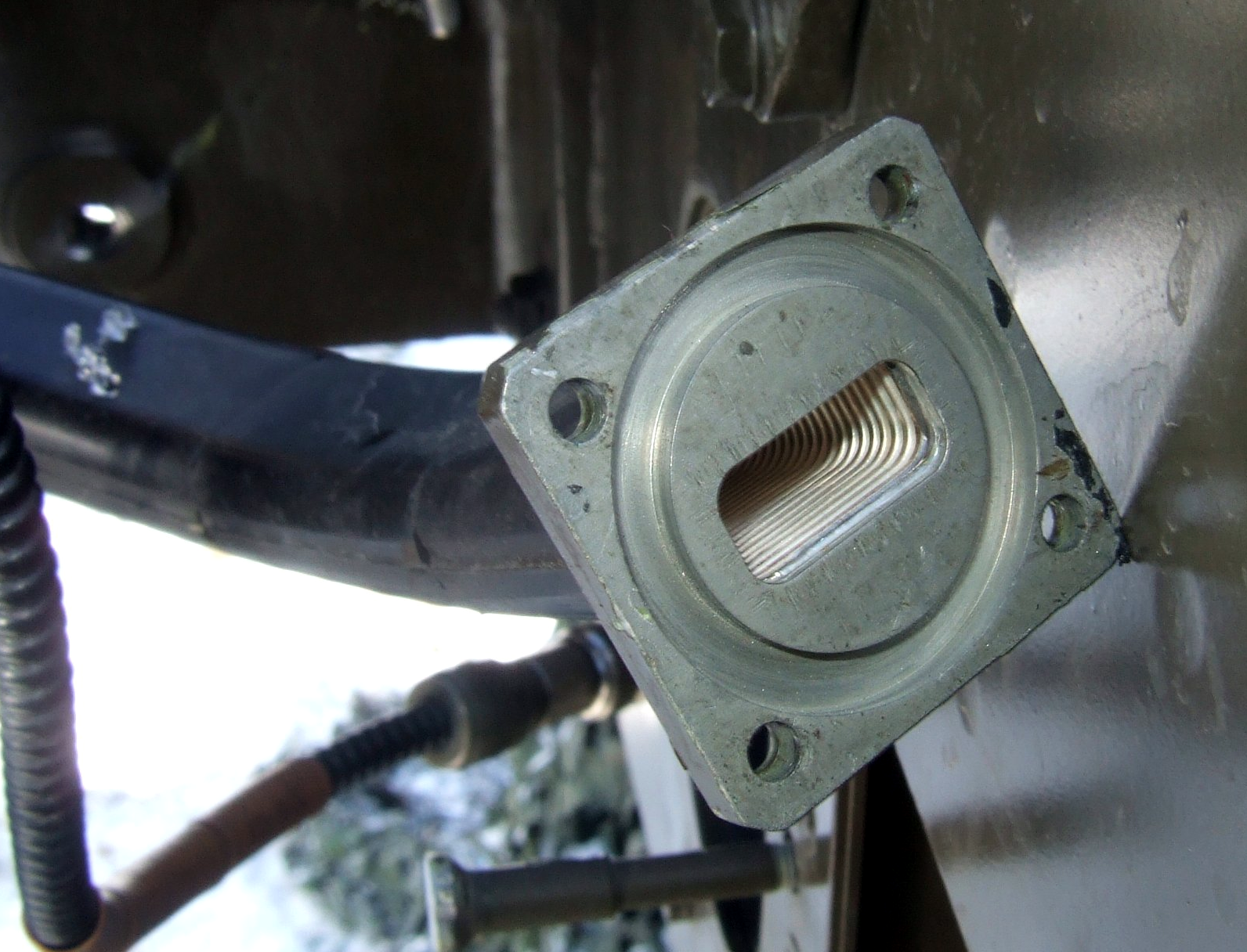
Waveguides can overheat in high-power applications (>100W), as dielectric/conductor losses convert RF energy to heat. For example, a WR-90 copper waveguide at 10 GHz loses ~0.5 dB/m (~10% power), raising temperatures by 10–20°C per meter. Uncooled systems may reach 60–80°C, risking deformation; active cooling (fans/liquid) maintains safe operation below 100°C. Waveguide Basics and Heat They

Does waveguide get hot Read More »

Scroll to Top
Blank Form (#3)