+86 29 8881 0979

August 12, 2025

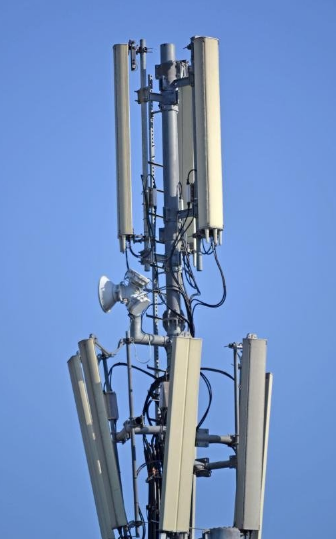
3 differences between GSM antenna and microwave antenna

GSM antennas operate at lower frequencies (900/1800 MHz) for mobile communication, while microwave antennas use higher bands (2-60 GHz) for long-distance data links. GSM antennas have omnidirectional coverage (360°), whereas microwave antennas focus signals directionally (5°-30° beamwidth). Microwave antennas require precise alignment (±1° accuracy) for optimal performance, unlike GSM antennas’ plug-and-play installation. Size and Shape […]

3 differences between GSM antenna and microwave antenna Read More »
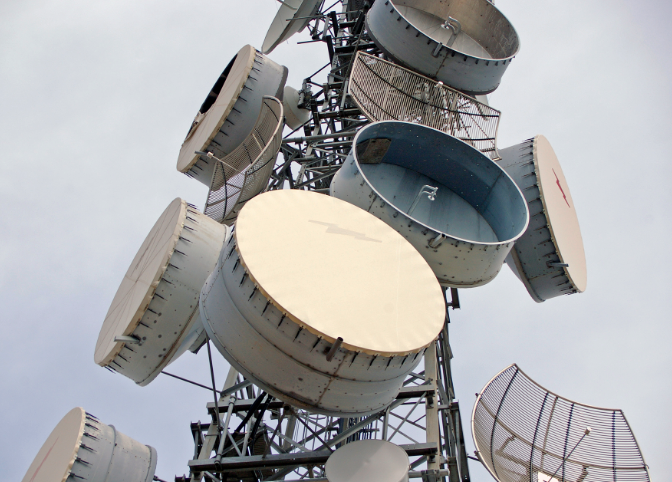
Top 5 reasons parabolic dish antennas are most commonly used in microwave applications

Parabolic dish antennas dominate microwave applications (1-100 GHz) due to their high gain (30-50 dBi achievable with 1-10m diameters), narrow beamwidth (1-5° for precise targeting), excellent directivity (>60dB front-to-back ratio), wide bandwidth (up to 40% fractional bandwidth), and efficient power handling (kW-level capacity). Their simple feed design (horn or dipole at focal point, typically 0.4-0.5×

Top 5 reasons parabolic dish antennas are most commonly used in microwave applications Read More »

Scroll to Top
Blank Form (#3)