+86 29 8881 0979

default

What is the purpose of a waveguide

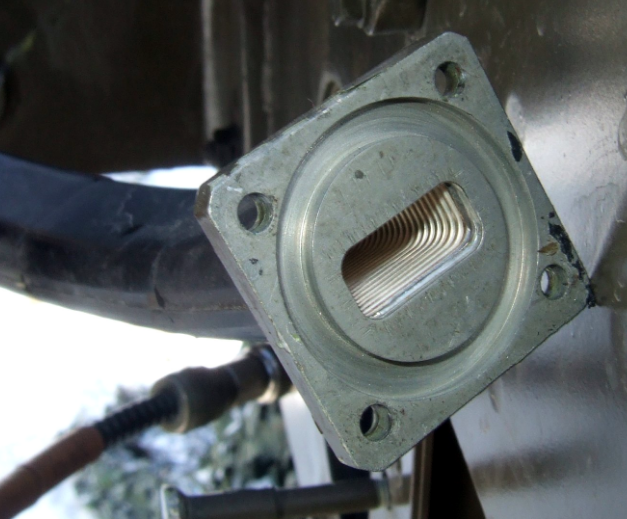
Waveguides transmit ​​microwave signals (1-110GHz)​​ with ​​minimal loss (0.05-0.3dB/m)​​, guiding electromagnetic waves in ​​TE/TM modes​​. They prevent signal dispersion, support ​​high-power handling (up to 10kW)​​, and shield against interference. Used in ​​radar, satellite, and 5G systems​​, their ​​aluminum/copper construction​​ ensures ​​<1.25:1 VSWR​​. Precision dimensions (e.g., ​​WR-90: 22.86×10.16mm​​) maintain ​​impedance matching (50Ω)​​. Flanges (UG-387/U) enable ​​leakage-free […]

What is the purpose of a waveguide Read More »
What is the IEC standard for waveguides

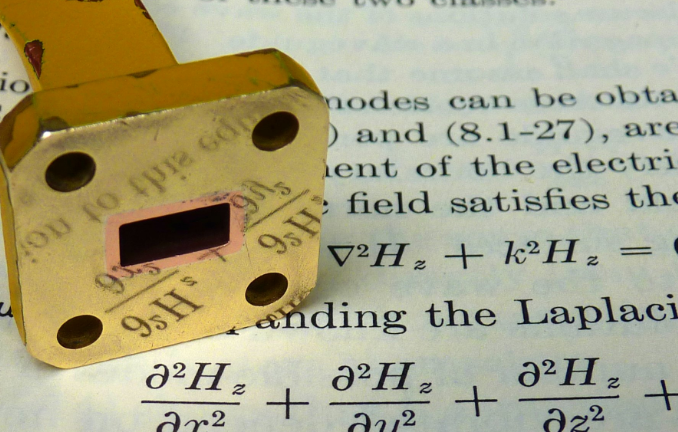
The IEC ​​60317-45 standard​​ specifies waveguide requirements, including ​​frequency ranges (1-110GHz)​​ and ​​tolerances (±0.05mm for WR-15)​​. It defines ​​aluminum (6061-T6) and copper (C10100) materials​​ with ​​surface roughness <0.8µm​​. Flange standards (IEC ​​60154-2​​) ensure ​​<0.05dB insertion loss​​ using ​​UG-387/U interfaces​​. The standard covers ​​TE10/TM11 mode operation​​, ​​VSWR limits (<1.25:1)​​, and ​​pressure tests (up to 5 bar)​​

What is the IEC standard for waveguides Read More »

What are the standard microwave waveguides

Standard microwave waveguides include ​​rectangular (WR-90: 22.86×10.16mm for 8.2-12.4GHz)​​ and ​​circular types (WC-15: 15mm diameter for 12-18GHz)​​. Common materials are ​​aluminum (0.1-0.3dB/m loss)​​ and ​​copper (0.05-0.2dB/m loss)​​. Waveguides operate in ​​TE10/TM11 modes​​ with ​​cutoff frequencies​​ (e.g., ​​WR-112: 5.26GHz​​). Flanges (UG-387/U) ensure ​​<0.1dB leakage​​. Sizes follow ​​MIL-STD-348A​​, covering ​​1-110GHz​​. Always match ​​impedance (typically 50Ω)​​ and avoid

What are the standard microwave waveguides Read More »

What is directional in directional coupler

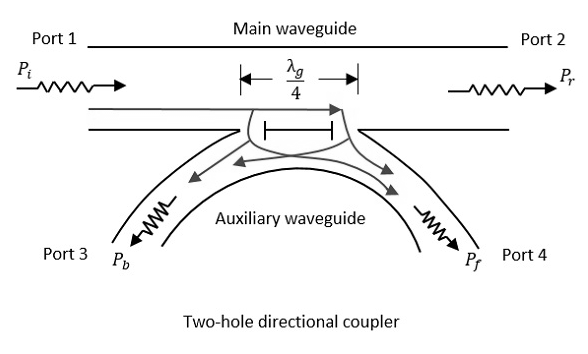
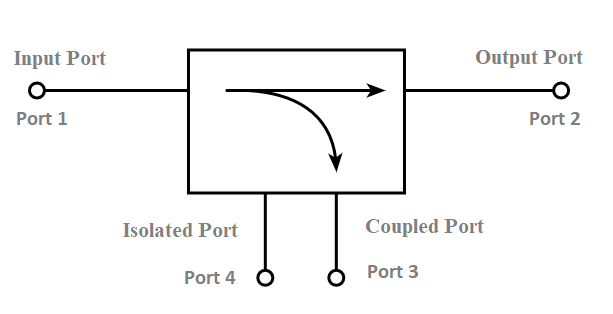
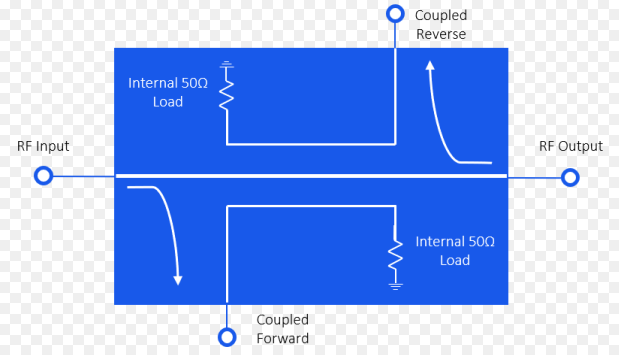
A directional coupler’s “directional” property refers to its ability to ​​separate forward and reflected signals​​ (20-40dB isolation). It samples ​​-10dB to -30dB​​ of the main signal while introducing ​​<0.5dB insertion loss​​. The coupler uses ​​λ/4 waveguide spacing​​ and ​​50Ω/75Ω impedance matching​​ to achieve ​​90% power transfer efficiency​​, operating from ​​DC-40GHz​​. Directionality ensures accurate ​​VSWR measurements​​

What is directional in directional coupler Read More »

What is the difference between the forward and backward directional coupler

Forward and backward (directional) couplers differ in their signal sampling methods. Forward couplers extract a portion (typically ​​-10dB to -30dB​​) of the ​​incident wave​​ traveling toward the load, while backward couplers sample the ​​reflected wave​​. Forward versions exhibit ​​<0.5dB insertion loss​​, whereas backward types measure ​​VSWR​​ (1.05:1 to 1.5:1). Both use ​​50Ω/75Ω striplines​​ with ​​20-40dB

What is the difference between the forward and backward directional coupler Read More »

Why is it called magic tee

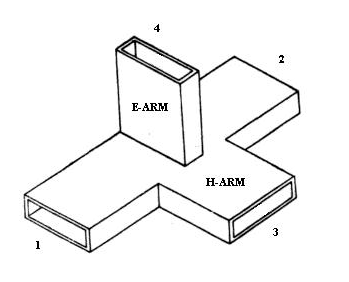
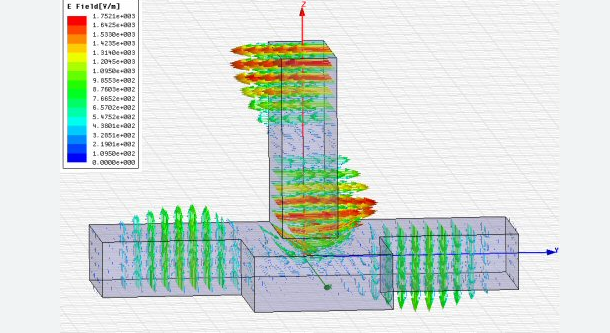
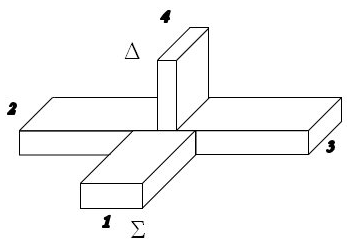
The Magic Tee (or Hybrid Tee) earns its name from its “magical” ability to split or combine RF signals with precise phase control. This 4-port waveguide divides input power equally (3dB loss) between two collinear ports while isolating the fourth port (20+ dB rejection). Its T-shaped design enables 180° phase shifts in the E-arm and

Why is it called magic tee Read More »

What are the two most common values of directional couplers

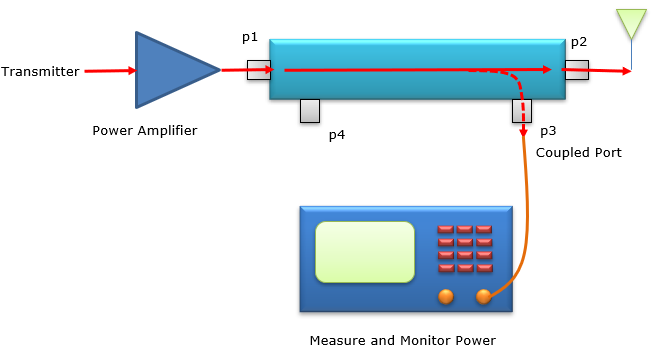
The two most common directional coupler values are ​​3dB​​ and ​​10dB coupling factors​​. A ​​3dB coupler​​ splits power equally (50%/50%) between output ports, ideal for balanced signal division in RF systems (e.g., antenna beamforming). ​​10dB couplers​​ sample ​​10% of input power​​ (with 90% throughput), used for signal monitoring in telecom (e.g., 5G base stations). Both

What are the two most common values of directional couplers Read More »

What is the difference between directional coupler and magic tee

A ​​directional coupler​​ samples RF signals unidirectionally (e.g., ​​-20dB coupling​​) with high isolation (​​>30dB​​), ideal for power monitoring. A ​​magic tee​​ (waveguide hybrid junction) splits signals into ​​equal amplitude (±90° phase shift)​​ across E- and H-arms, used in balanced mixers or antennas. Couplers handle ​​1–40GHz​​, while magic tees operate at ​​microwave frequencies (e.g., 8–12GHz)​​. ​​Basic

What is the difference between directional coupler and magic tee Read More »

Scroll to Top
Blank Form (#3)