+86 29 8881 0979

default

Which type of antenna gives highest gain

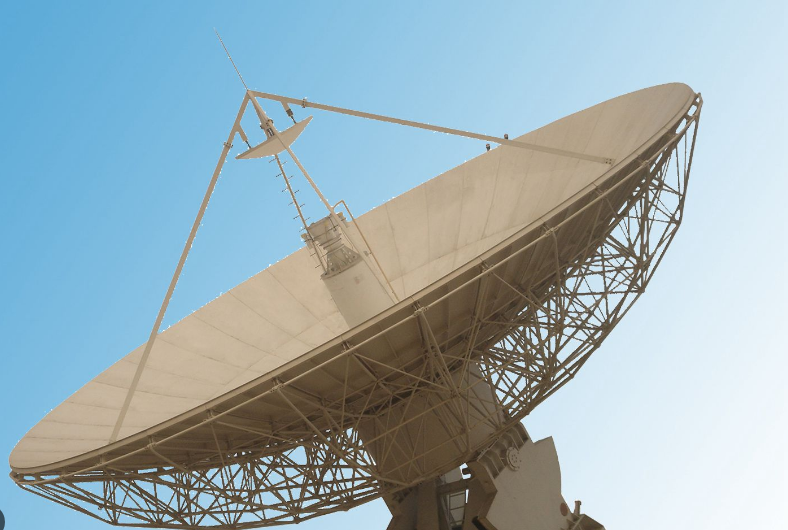
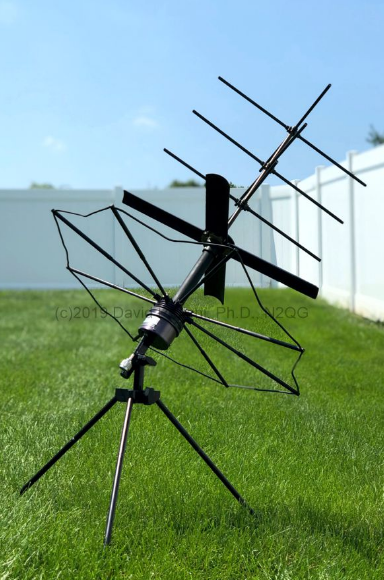
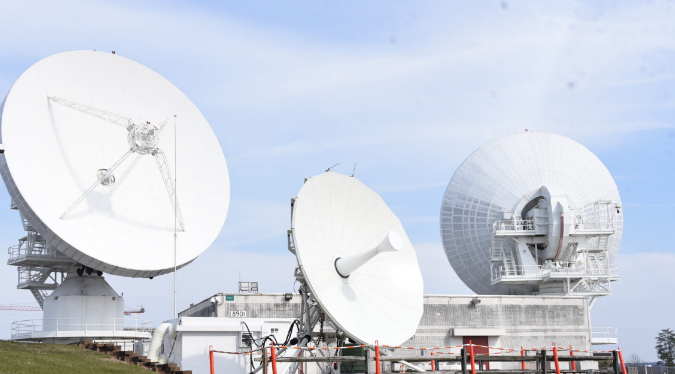
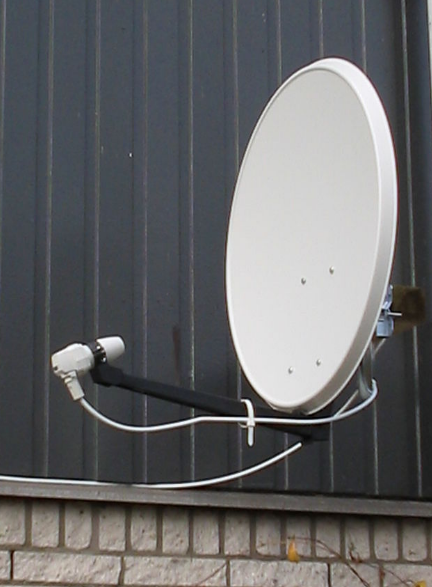
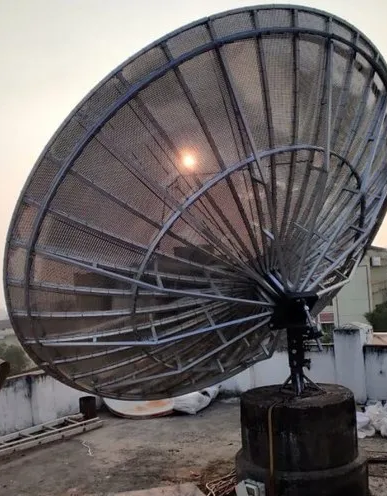
The ​​highest gain antennas​​ are typically ​​parabolic reflector dishes​​, achieving ​​30–50 dBi​​ in ​​C/Ku-band (4–18 GHz)​​. Larger diameters ​​(3–10 meters)​​ enhance gain, with efficiency around ​​50–70%​​. For extreme gain ​​(60+ dBi)​​, ​​horn-reflector antennas​​ or ​​cassegrain feeds​​ are used in ​​deep-space communication​​. Precise ​​alignment (0.1° accuracy)​​ and ​​low-noise amplifiers (LNA)​​ maximize performance. Smaller alternatives like ​​Yagi-Uda […]

Which type of antenna gives highest gain Read More »
Is coaxial and antenna the same

No, ​​coaxial cables​​ and ​​antennas​​ are not the same. A ​​coaxial cable (e.g., RG-6, 75Ω)​​ transmits RF signals with ​​low loss (3dB/100ft at 1GHz)​​, while an ​​antenna (e.g., Yagi, dipole)​​ radiates or receives electromagnetic waves. For ​​satellite TV​​, a ​​dish antenna (2.4GHz Ku-band)​​ captures signals, which are then carried via ​​coaxial cable​​ to the receiver.

Is coaxial and antenna the same Read More »

Which antenna is best for satellite communication

The ​​best antenna for satellite communication​​ depends on the frequency and application. For ​​Ku-band (12-18 GHz)​​, a ​​parabolic dish (1.2-3m diameter)​​ offers high gain (30-40 dBi) and precise tracking. ​​Phased-array antennas​​ are ideal for ​​mobile systems​​, providing ​​rapid beam steering​​ without mechanical adjustments. ​​Helical antennas​​ excel in ​​circular polarization​​ for ​​L-band (1-2 GHz)​​ with 10-15

Which antenna is best for satellite communication Read More »

What are the different types of Satcom antennas

Satellite communication antenna types include: parabolic antenna (usually 1.2 meters in diameter, suitable for C band), flat antenna (light and thin, suitable for Ku band), helical antenna (supports circular polarization), phased array antenna (can electronically control the beam direction) and portable antenna (easy to deploy, about 0.6 meters in diameter). Choose the appropriate type according

What are the different types of Satcom antennas Read More »

What is elevated feed antenna

An ​​elevated feed antenna​​ positions the ​​radiator 0.25-0.5λ above ground​​ to ​​reduce surface wave losses by 60%​​, boosting gain ​​3-5dB​​ versus ground-mounted designs. This setup uses ​​folded dipoles or patch arrays​​ at ​​2-6GHz​​, achieving ​​<2:1 VSWR​​ through ​​impedance matching stubs​​. The elevation minimizes ​​multipath interference​​, improving ​​SINR by 15dB​​ in urban environments while maintaining ​​±45°

What is elevated feed antenna Read More »

What is the difference between array and antenna

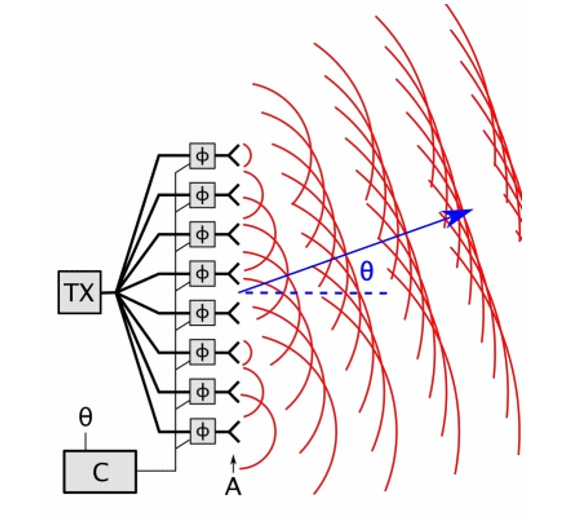
The key difference lies in ​​radiation control​​: a ​​single antenna​​ emits/receives signals with fixed ​​5-15dBi gain​​, while an ​​array combines multiple elements​​ (4-256+) for ​​steerable beams​​ achieving ​​20-40dBi gain​​. Arrays use ​​phase shifters​​ to electronically adjust patterns ​​within 10μs​​, enabling ​​±60° scanning​​ without mechanical movement. Single antennas cover ​​1-5GHz bandwidth​​, whereas arrays achieve ​​5-10x wider

What is the difference between array and antenna Read More »

What is a triple feed antenna

A ​​triple feed antenna​​ integrates ​​three independent feed points​​ to enable ​​multi-band or multi-polarization operation​​ within a single aperture. This design achieves ​​>90% isolation between ports​​ while supporting ​​simultaneous LHCP/RHCP/linear signals​​. Typical configurations use ​​orthogonal waveguide slots​​ or ​​stacked patches​​, reducing size by 40% versus separate antennas. Key applications include ​​satellite comms (4-30GHz)​​ where it

What is a triple feed antenna Read More »

What is axial or front feed antenna

An ​​axial or front feed antenna​​ positions the ​​feed point along the central axis​​ of parabolic dishes, achieving ​​>60% aperture efficiency​​ with minimal blockage. This design reduces ​​sidelobes by 15-20dB​​ compared to offset feeds while maintaining ​​<2dB noise temperature​​. The waveguide typically extends ​​0.3-0.5x focal length​​, optimized for ​​3-30GHz frequencies​​ with ​​cross-polarization under -30dB​​. ​​Basic

What is axial or front feed antenna Read More »

Scroll to Top
Blank Form (#3)