+86 29 8881 0979

June 7, 2025

Optimizing Antenna Feeder System with 5 Pro Tips

A poorly optimized feeder system can waste up to ​​30% of transmitted power​​ due to mismatches and losses. Start by ​​keeping VSWR below 1.5:1​​—every 0.1 increase adds ​​1-2% loss​​. Use ​​low-loss cables (e.g., LDF4-50A)​​ over standard RG-213 to cut attenuation by ​​50% at 2GHz​​. Proper ​​connector torque (e.g., 25 in-lb for N-type)​​ prevents moisture ingress, […]

Optimizing Antenna Feeder System with 5 Pro Tips Read More »
Passive vs Active Antennas: 4 Crucial Differences

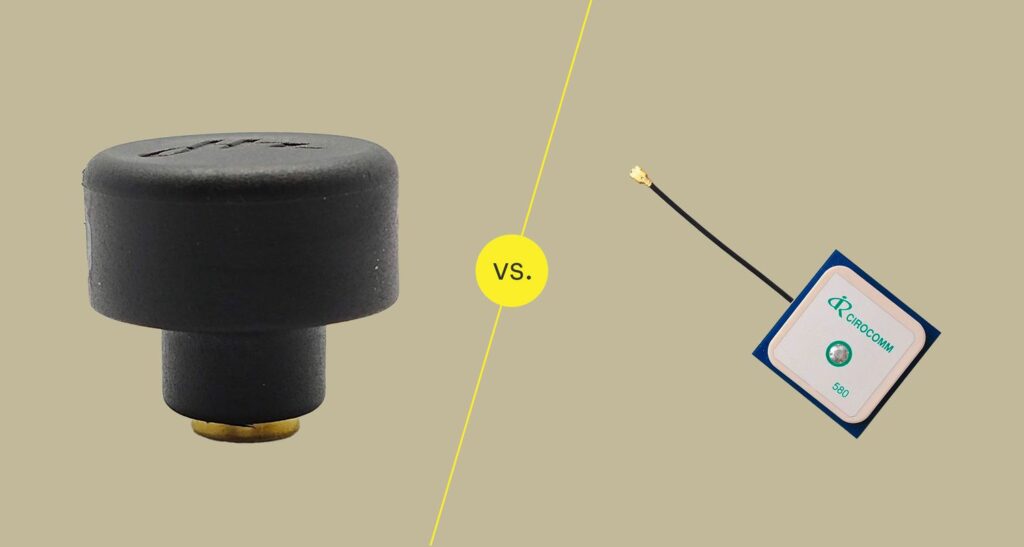
Passive antennas, which rely solely on external signal strength, typically deliver gains between 2 dBi and 10 dBi, making them ideal for short-range, low-interference environments. Active antennas, on the other hand, integrate built-in amplifiers (LNAs) to boost weak signals, offering gains up to 30 dBi or higher—critical for long-range or high-noise scenarios like satellite comms

Passive vs Active Antennas: 4 Crucial Differences Read More »

What is Antenna Feedhorn | 3 Key Applications

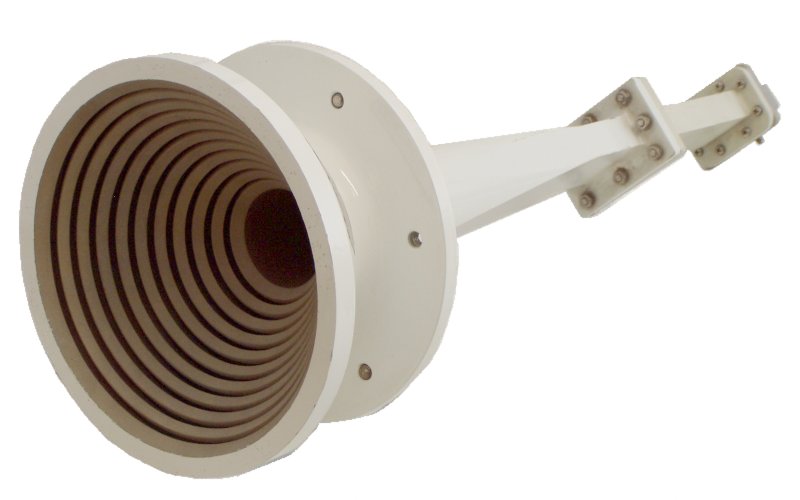
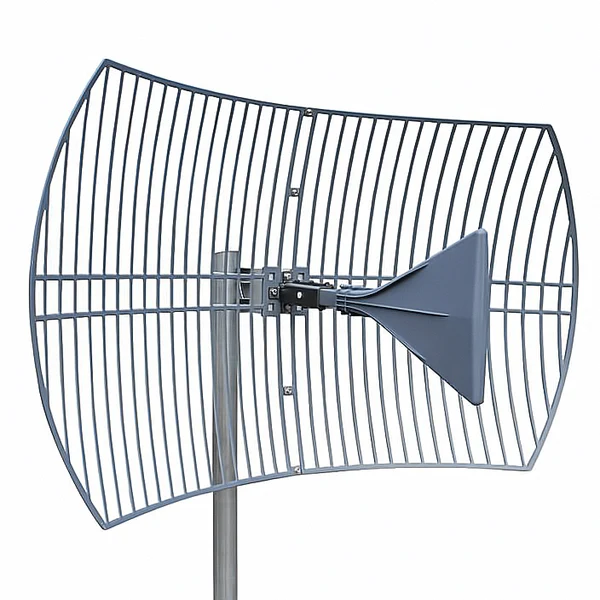
​An antenna feedhorn is a crucial component in RF and microwave systems, directing signals between the antenna and receiver/transmitter. Used in 80% of satellite dishes and radar systems, feedhorns ensure minimal signal loss (typically <0.5 dB) and optimal frequency targeting. This article explores its design and three key applications—satellite communication, radar, and radio astronomy—with practical

What is Antenna Feedhorn | 3 Key Applications Read More »

Waveguide Suppliers Comparison | 5 Essential Metrics

Five key indicators for comparing waveguide suppliers: 1) frequency range (such as 26.5–40 GHz); 2) insertion loss (≤0.2 dB/m); 3) standing wave ratio (VSWR≤1.2); 4) material (such as aluminum alloy 6061-T6); 5) delivery cycle (≤4 weeks). Pricing Transparency During APSTAR-7 satellite commissioning last year, an 83% sudden price hike for Ku-band waveguides delayed ground station

Waveguide Suppliers Comparison | 5 Essential Metrics Read More »

Waveguide Installation Guide | 5 Step by Step Procedures

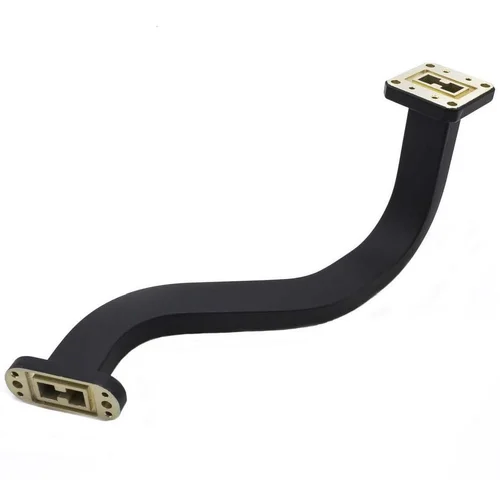
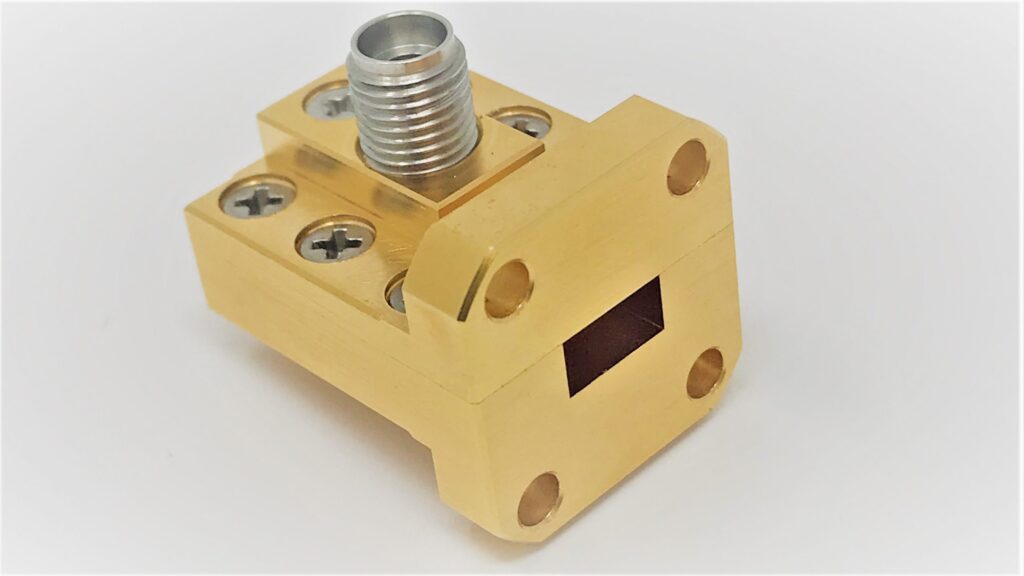
The five-step process for waveguide installation is as follows: 1) Check the flatness of the flange surface (<0.05mm); 2) Clean the contact surface and apply conductive paste; 3) Align the waveguide opening with an error of ≤0.1mm; 4) Tighten the bolts evenly (torque 2.5N·m); 5) Test the standing wave ratio (VSWR<1.3). Flange Alignment Techniques During

Waveguide Installation Guide | 5 Step by Step Procedures Read More »

Phased Array Antenna Design | 4 Cost-Saving Techniques

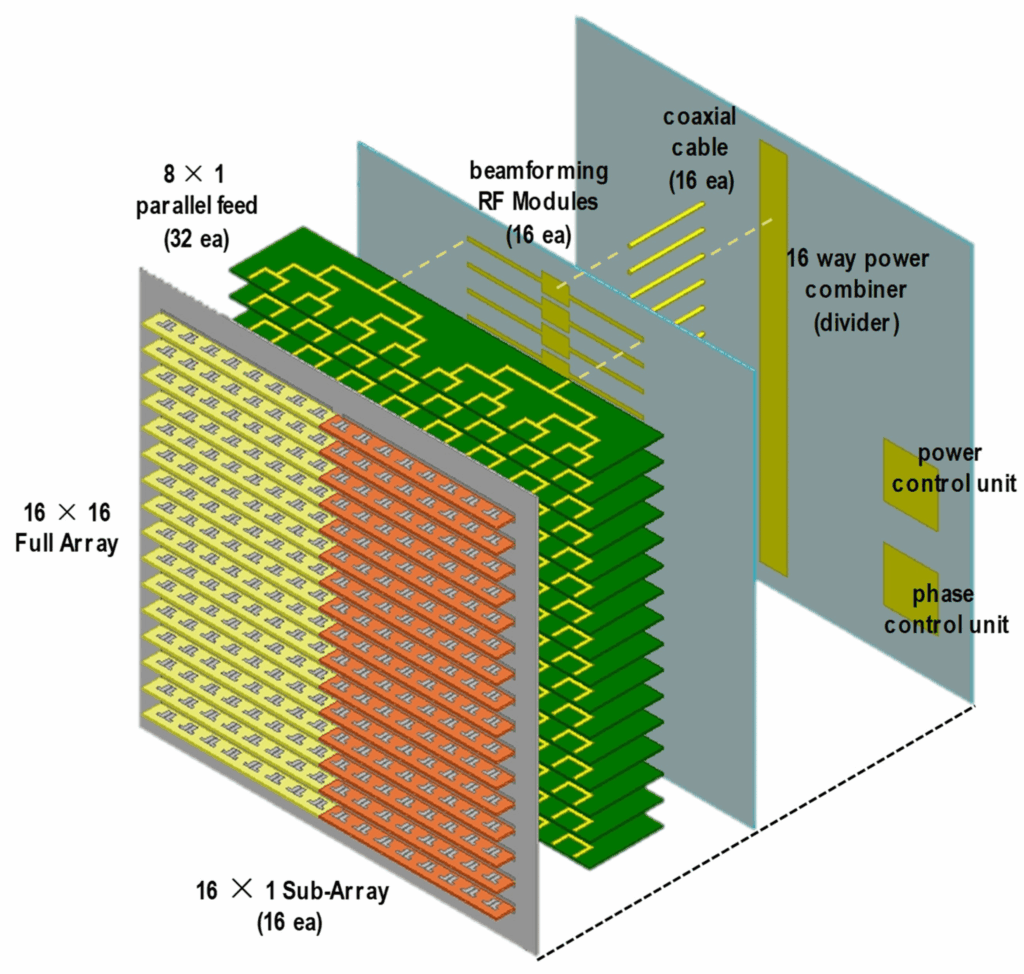
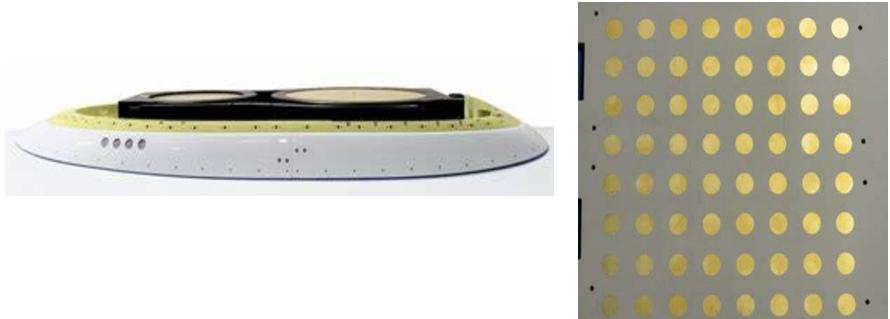
Four cost-reduction technologies for phased array antenna design: 1) Use a multi-layer PCB integrated feed network to reduce interconnect components; 2) Use low-cost LCP materials (dielectric constant 2.9±0.1); 3) Optimize the unit spacing to 0.5λ~0.7λ to reduce the number of array elements; 4) Introduce digital beamforming to reduce the number of RF links. Unit Simplification

Phased Array Antenna Design | 4 Cost-Saving Techniques Read More »

Phased Array Antenna Manufacturers | 6 Selection Criteria

Six major criteria for selecting phased array antenna manufacturers: 1) frequency coverage (e.g. 2–40 GHz); 2) gain accuracy (within ±1 dB); 3) beam switching speed (<1 μs); 4) sidelobe suppression capability (<-30 dB); 5) environmental adaptability (-40 to +85°C); 6) support for customized interfaces (e.g. SPI, LVDS) Phased Array Lessons Last summer’s Houston ground station

Phased Array Antenna Manufacturers | 6 Selection Criteria Read More »

Waveguide vs Coaxial Cable | 3 Performance Differences

There are three major performance differences between waveguide and coaxial cable: 1) Frequency range: waveguide is suitable for high frequency bands above 30GHz, while coaxial cable is commonly used below 18GHz; 2) Loss: coaxial cable has greater loss at high frequencies (such as RG-405 reaching 0.5dB/m at 10GHz), and waveguide has lower loss (<0.1dB/m); 3)

Waveguide vs Coaxial Cable | 3 Performance Differences Read More »

Scroll to Top
Blank Form (#3)