+86 29 8881 0979

June 23, 2025

Flexible Waveguide manufacturers comparison | top 3 choices

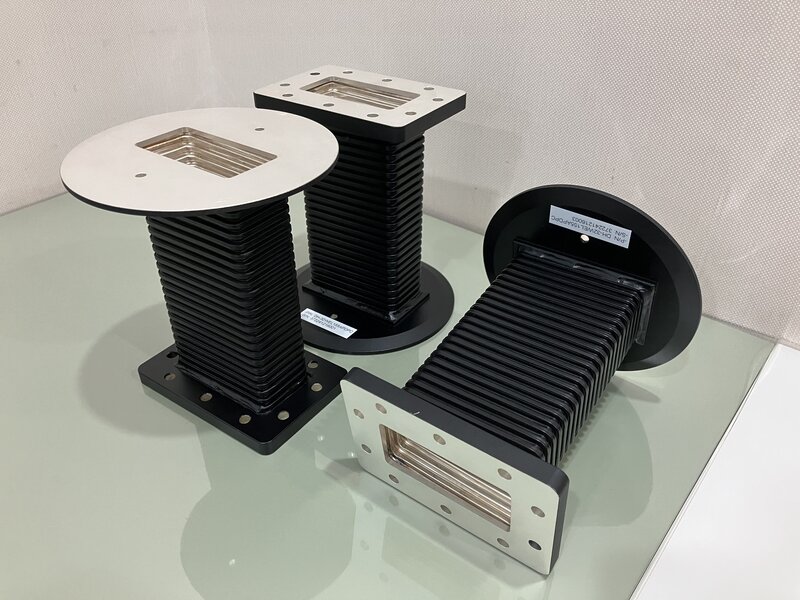
Mega Industries​​ offers ultra-flexible WR-75 waveguides (10-15 GHz) with 0.1 dB/m loss, ideal for tight bends (30° minimum). ​​FlexWave Tech​​ specializes in military-grade PTFE-coated waveguides (up to 40 GHz) with 0.05 dB/m loss and 500+ bend cycles. ​​WaveFlex Solutions​​ provides corrosion-resistant stainless steel waveguides (18-26.5 GHz) with 0.08 dB/m loss, rated for 10,000 flex cycles. […]

Flexible Waveguide manufacturers comparison | top 3 choices Read More »
Rectangular Waveguide Calculator tutorial | 5 step usage

To calculate waveguide parameters, input the frequency (e.g., 10 GHz), waveguide dimensions (e.g., WR-90: a=22.86 mm, b=10.16 mm), and mode (TE10). The calculator outputs cutoff frequency (6.56 GHz), guided wavelength (39.6 mm), and attenuation (0.02 dB/m). Verify material conductivity (5.8×10⁷ S/m for copper) and dielectric properties. For accuracy, ensure frequency exceeds cutoff and dimensions match

Rectangular Waveguide Calculator tutorial | 5 step usage Read More »

Waveguide Hybrid Junction selection | 5 buying tips

​Selecting waveguide hybrid junctions requires evaluating five critical aspects: frequency range (ensure ±5% tolerance for your operational band), VSWR (opt for <1.25:1 models to minimize 98% signal loss), power handling (verify 20% overhead above your max wattage), phase balance (choose ≤±2° units for 90° hybrids), and material (aluminum offers 30% better heat dissipation than brass).

Waveguide Hybrid Junction selection | 5 buying tips Read More »

Custom Antenna design | 3 key factors guide

Designing custom antennas requires optimizing three core factors: frequency range (2.4GHz antennas need 31mm elements for WiFi), gain (dBi adjustments impact range—6dBi boosts coverage by 40%), and radiation pattern (directional vs omnidirectional alters beamwidth by 60%). Use EM simulation tools like HFSS, account for material dielectric constants (FR4: 4.3-4.8), and test VSWR below 1.5:1. Real-world

Custom Antenna design | 3 key factors guide Read More »

Satellite Wifi Antenna setup | 4 methods for home use

Setting up a satellite Wi-Fi antenna for home use involves four key methods. A fixed parabolic dish (60-90cm diameter) provides stable 25-50 Mbps speeds but requires precise alignment to the satellite’s orbital position (e.g., 28.2°E for Astra). A motorized dish automatically tracks satellites, adjusting for 0.1° accuracy, ideal for multi-satellite coverage. Flat-panel phased-array antennas (e.g.,

Satellite Wifi Antenna setup | 4 methods for home use Read More »

How to choose Waveguide Systems | 5 factors guide

Selecting the right waveguide system requires careful consideration of frequency range, power handling, material, and application needs. For instance, WR-90 waveguides operate at 8.2–12.4 GHz, ideal for X-band radar, while WR-112 suits 7.05–10 GHz for lower frequencies. Power handling depends on material; copper waveguides tolerate up to 1 kW, whereas aluminum handles 500 W. For

How to choose Waveguide Systems | 5 factors guide Read More »

High Gain Horn Antenna selection | 5 buying criteria

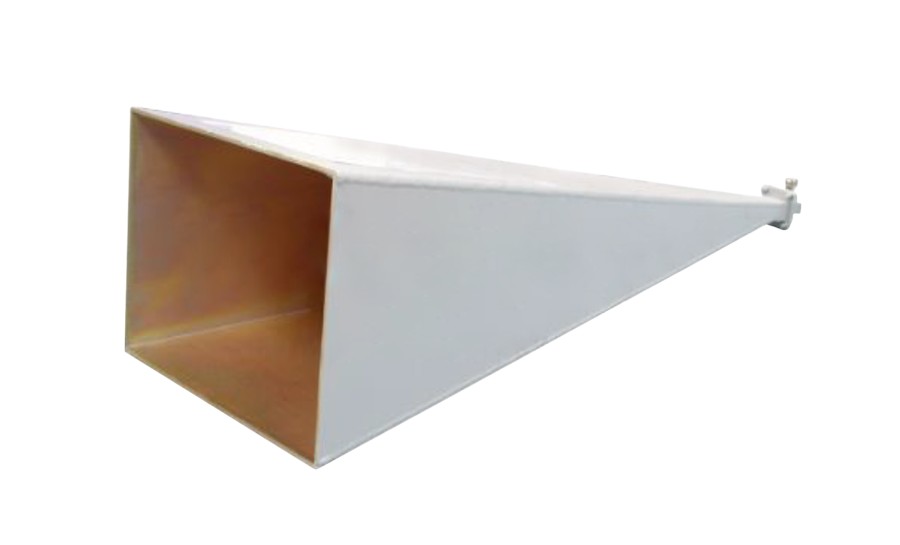
When selecting a ​​high-gain horn antenna​​, prioritize ​​frequency range​​ (e.g., 2-18 GHz for radar applications), ​​gain​​ (15-25 dBi for long-range signals), and ​​beamwidth​​ (narrower than 30° for focused coverage). Ensure ​​VSWR​​ is below 1.5:1 for minimal signal loss and check ​​durability​​ (IP67-rated for harsh environments). Opt for ​​lightweight aluminum​​ (under 5 lbs) for easy mounting.

High Gain Horn Antenna selection | 5 buying criteria Read More »

Installing Satellite Indoor Antenna | 3 easy steps

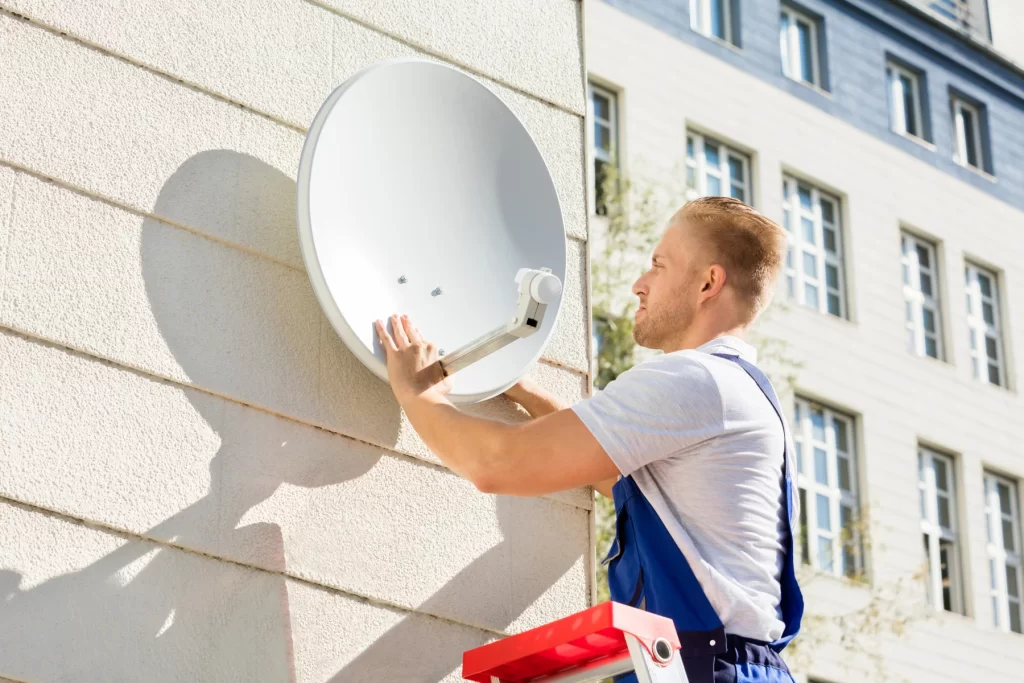
First, choose a location near a window facing the satellite’s direction (typically south for most regions) to ensure strong signal reception. Next, connect the antenna’s coaxial cable to your TV’s satellite input port securely. Finally, power on the TV and run an automatic channel scan—this takes about 2–5 minutes—to detect available channels. For optimal performance,

Installing Satellite Indoor Antenna | 3 easy steps Read More »

Passive vs Gain Antennas | 3 key differences explained

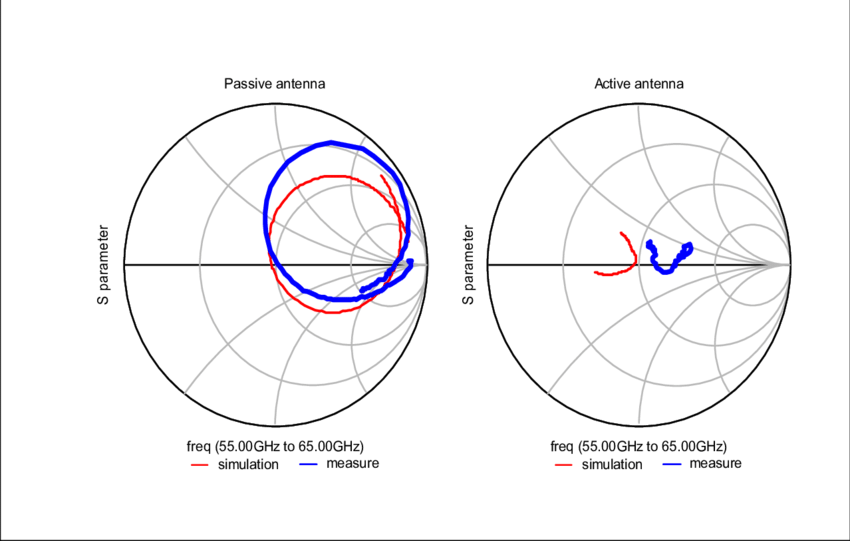
Passive antennas simply receive or transmit signals without amplification, relying on their design (like dipole or Yagi) to focus energy. Gain antennas actively amplify signals using built-in electronics, boosting range and clarity. Key differences: gain antennas require power, offer higher signal strength, and are more directional, while passive ones are simpler, wider-coverage, but weaker. Choose

Passive vs Gain Antennas | 3 key differences explained Read More »

Comparing Antenna Types | Top 5 for Performance

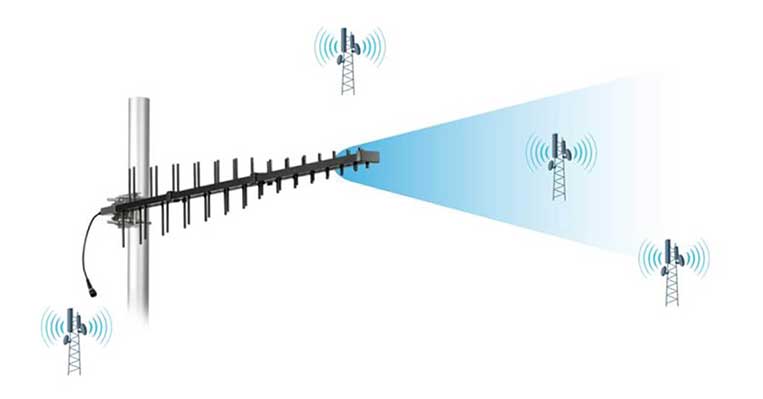
When comparing antenna performance, directional antennas like Yagi-Uda offer high gain (10-15 dBi) and narrow beamwidth (30-60°), ideal for long-range point-to-point links, while omnidirectional antennas (2-5 dBi) provide 360° coverage but shorter range. Parabolic dishes achieve extreme gain (up to 30 dBi) for satellite communications but require precise alignment. Patch antennas (6-8 dBi) are compact

Comparing Antenna Types | Top 5 for Performance Read More »

Scroll to Top
Blank Form (#3)