+86 29 8881 0979

June 2025

Custom vs Standard Antennas | 4 key contrasts

Custom antennas are ​​tailored for specific applications​​, offering ​​optimized gain (3–5dB higher than standard)​​ and ​​precise frequency matching (±1% tolerance)​​, while ​​off-the-shelf antennas​​ provide ​​general-purpose performance (±5% frequency variance)​​ at ​​40–60% lower cost​​. Custom designs accommodate ​​unique form factors​​ (e.g., conformal aerospace shapes) with ​​IP67+ environmental protection​​, whereas standard antennas are limited to ​​mass-produced sizes […]

Custom vs Standard Antennas | 4 key contrasts Read More »
Flexible Waveguide types | 3 differences comparison

Flexible waveguides vary primarily in ​​material composition​​, ​​frequency range​​, and ​​bend radius tolerance​​. ​​Corrugated copper waveguides​​ offer ​​low loss (0.1–0.3 dB/m) for 5–110 GHz​​ but require ​​≥10x diameter bend radius​​, while ​​polymer-coated helical waveguides​​ allow ​​tighter bends (3x diameter)​​ with ​​higher attenuation (0.5–1.2 dB/m)​​. ​​Dielectric-core flexible waveguides​​ support ​​26.5–40 GHz​​ with ​​0.4 dB/m loss​​ but

Flexible Waveguide types | 3 differences comparison Read More »

Antenna Solutions for small spaces | 5 product picks

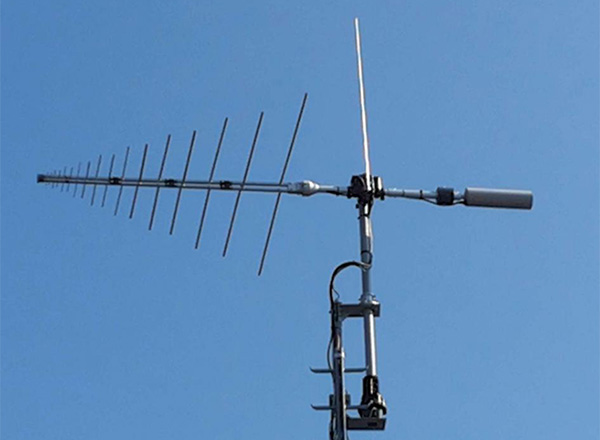
For space-constrained installations, compact antenna solutions include microstrip patch antennas (2.4GHz models as thin as 1.6mm), flexible printed antennas with 3mm bend radius for curved surfaces, and dielectric resonator antennas offering 8dBi gain in 30mm cubes. Foldable Yagi-Uda designs collapse to 15cm lengths while maintaining 12dBi gain at 5GHz. For IoT applications, chip antennas like

Antenna Solutions for small spaces | 5 product picks Read More »

Antenna Controller settings | 4 calibration methods

Antenna controller calibration ensures precise signal alignment using four key methods. RSSI-based tuning adjusts azimuth/elevation in 0.1° increments until reaching peak signal strength (typically -60dBm threshold). GPS synchronization uses NMEA data with <1μs timing accuracy for phased arrays. VSWR optimization minimizes reflections below 1.5:1 through automated impedance matching at 50Ω. Pattern testing employs anechoic chamber

Antenna Controller settings | 4 calibration methods Read More »

Passive Antenna advantages | 3 scenarios usage

Passive antennas offer cost-efficiency, durability, and low maintenance, making them ideal for three key scenarios. In rural broadband (e.g., 4G LTE), they provide 15-20 km coverage without power, using high-gain (16dBi) designs. For IoT sensor networks, passive UHF antennas (860-960MHz) achieve 10-year lifespans with omni-directional patterns. In emergency comms, foldable Yagi antennas enable 50km LOS

Passive Antenna advantages | 3 scenarios usage Read More »

Waveguide Fabrication processes | 3 methods overview

Waveguide fabrication employs three primary methods: precision machining, electroforming, and extrusion. CNC milling achieves ±5μm tolerances for aerospace-grade aluminum WR-90 waveguides, while electroforming builds nickel-plated copper structures layer-by-layer for complex shapes with 0.1μm surface finish. Extrusion produces cost-effective aluminum waveguides in bulk (up to 6m lengths) with ±50μm dimensional accuracy, though requiring post-machining for critical

Waveguide Fabrication processes | 3 methods overview Read More »

High Performance Antenna maintenance | 4 care tips

High-performance antennas require regular maintenance to ensure optimal signal integrity and longevity. Clean connectors quarterly with isopropyl alcohol and lint-free swabs to prevent oxidation (losses can exceed 0.5 dB from dirty contacts). Inspect radomes every 6 months for cracks causing up to 3 dB signal loss. Torque all bolts to manufacturer specs (typically 5-7 Nm

High Performance Antenna maintenance | 4 care tips Read More »

Waveguide Theory basics | 5 concepts for beginners

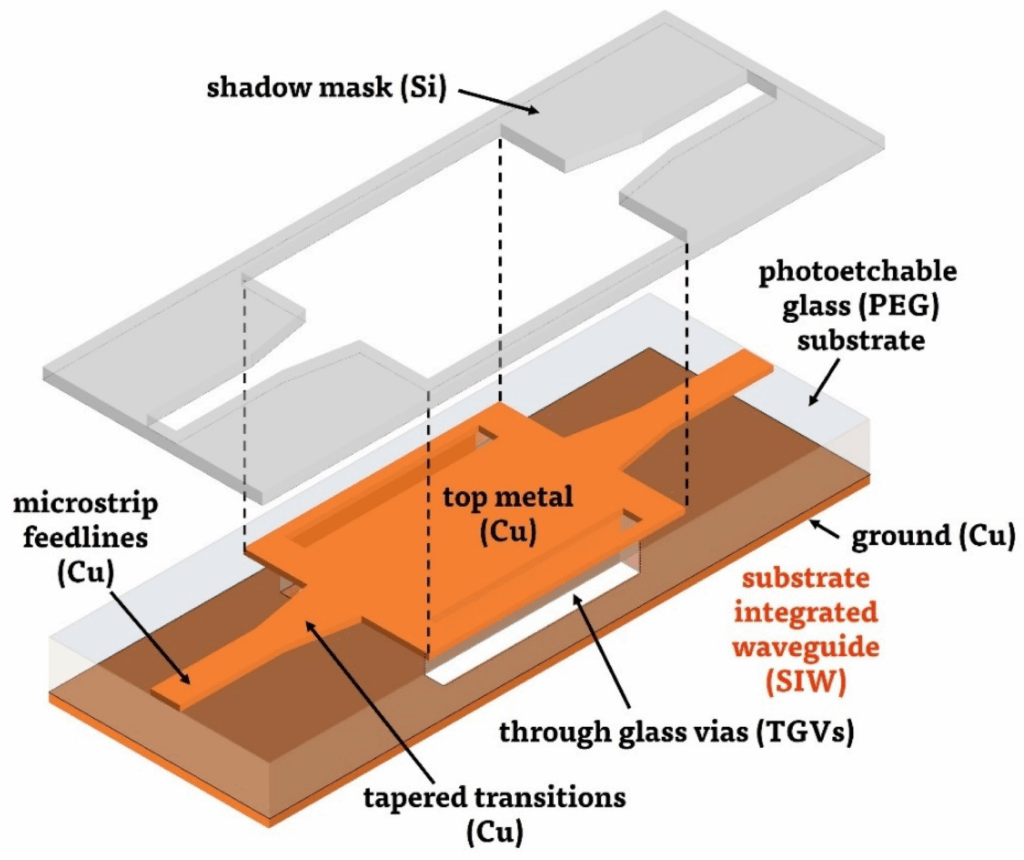
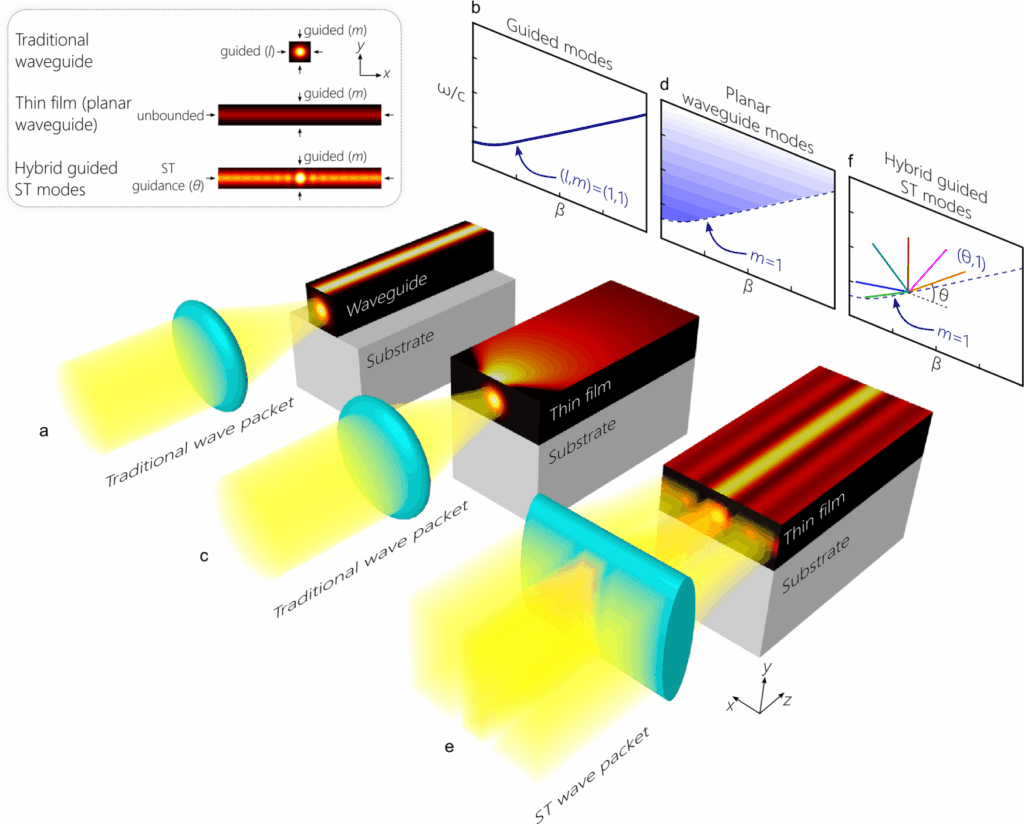
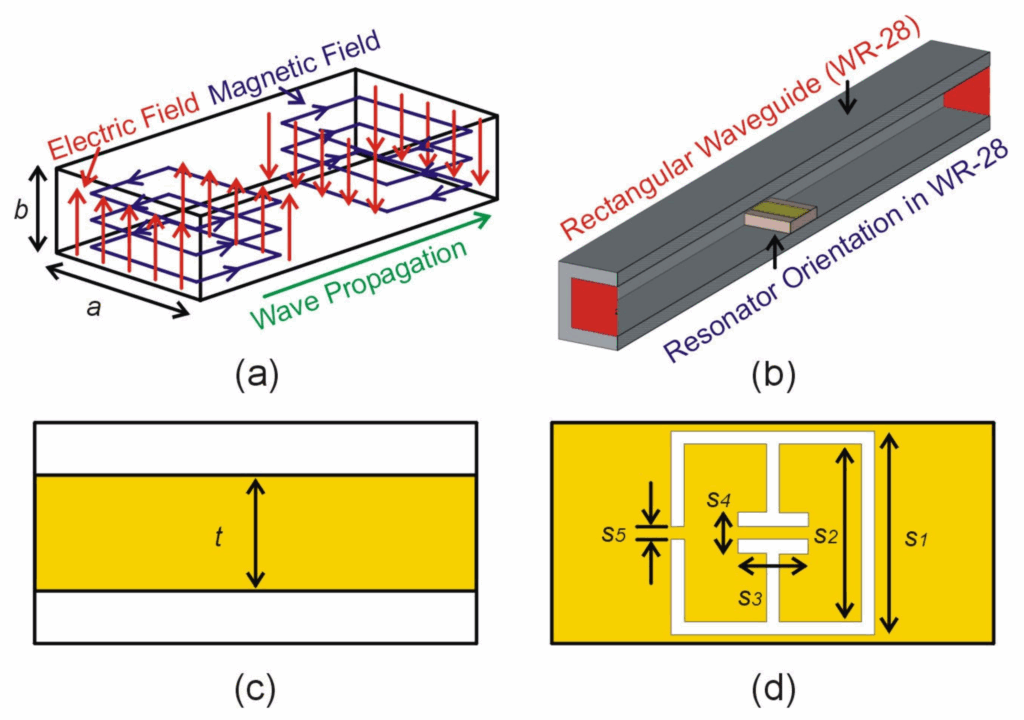
Waveguide theory explores how electromagnetic waves propagate through hollow or dielectric structures. Key concepts include cutoff frequency (e.g., 3.75 GHz for WR-90 waveguide), where waves below this frequency attenuate. Dominant TE10 mode has the lowest cutoff. Wave impedance (e.g., 450Ω for TE10) varies with frequency. Practical operation requires proper coupling (using probes or loops) and

Waveguide Theory basics | 5 concepts for beginners Read More »

Phased Array Antenna types | 4 options compared

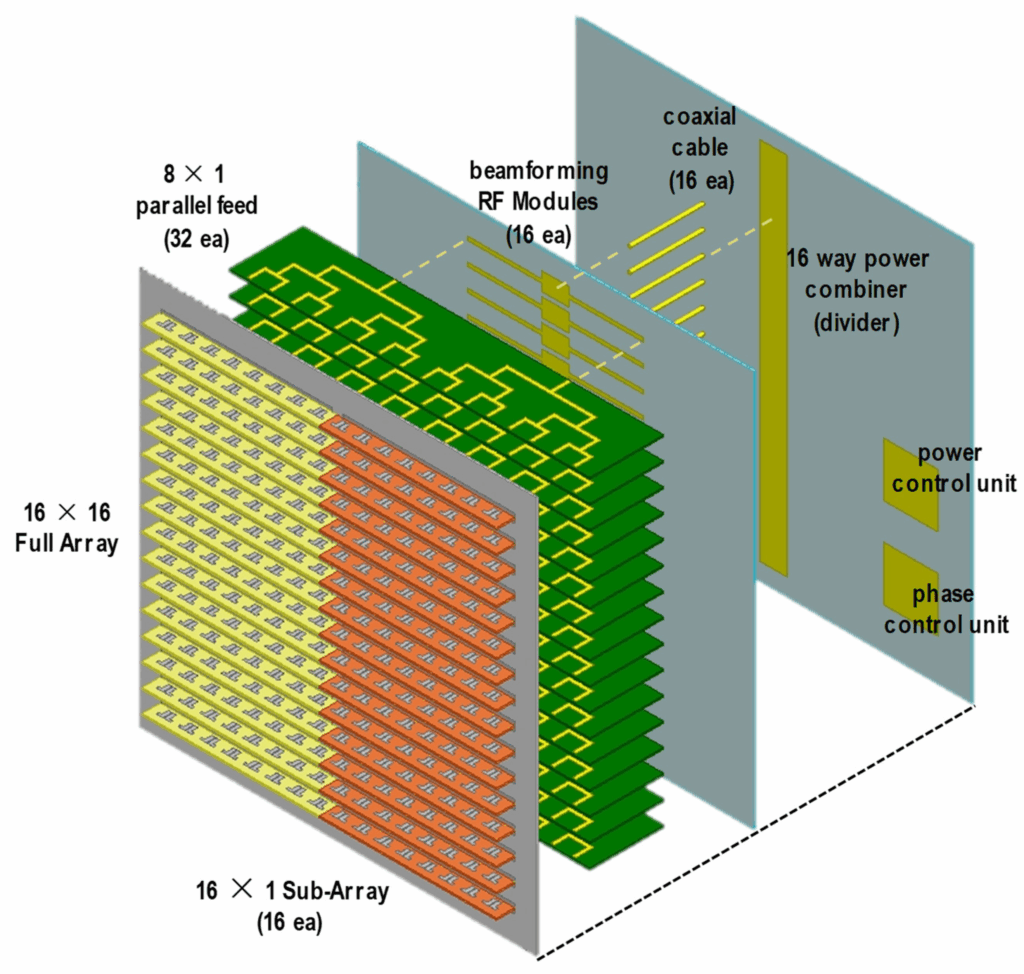
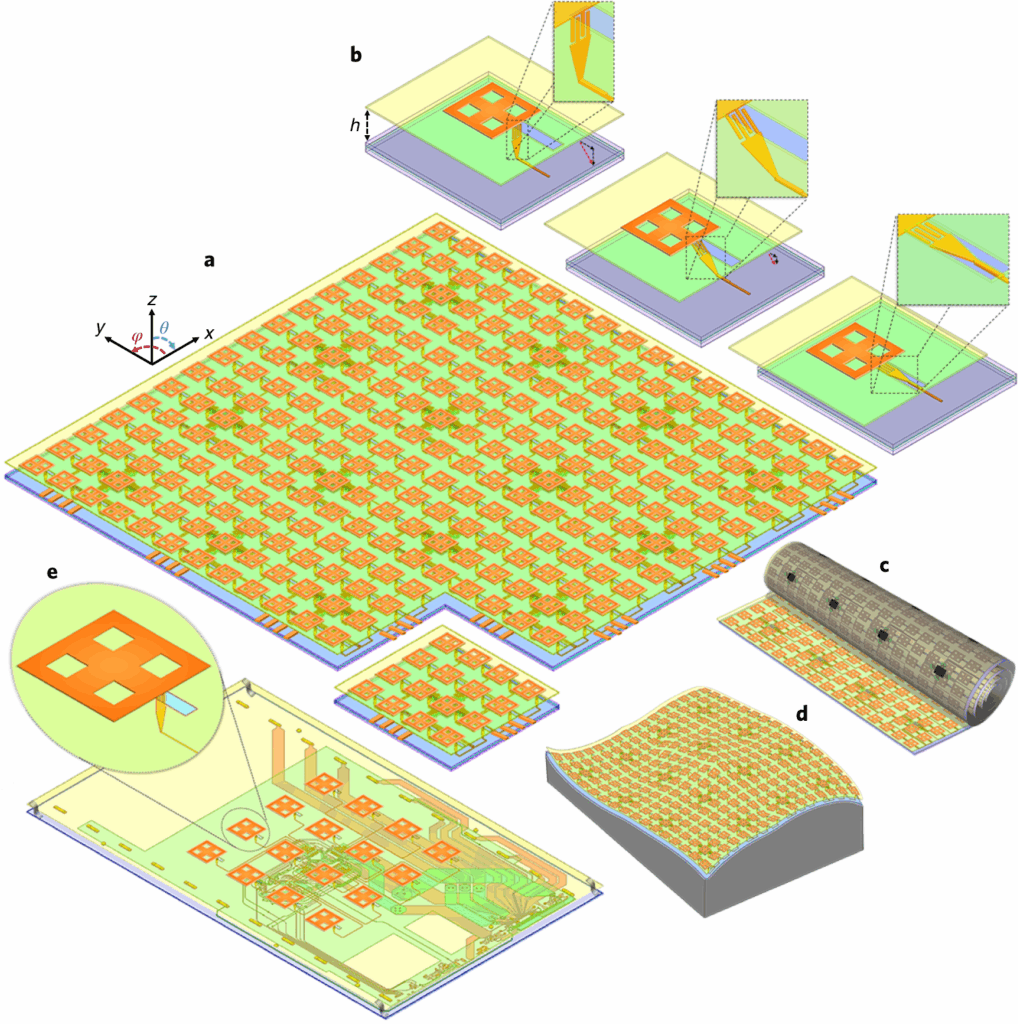
Phased array antennas are categorized into four main types: passive, active, hybrid, and digital. Passive arrays use phase shifters for beam steering but lack amplification, offering 20-30 dB gain. Active arrays integrate amplifiers per element, enabling dynamic beamforming with 40-50 dB gain and <1° precision. Hybrid arrays combine analog phase shifters with digital control, balancing

Phased Array Antenna types | 4 options compared Read More »

Scroll to Top
Blank Form (#3)