+86 29 8881 0979

August 29, 2025

What is the purpose of the waveguide to coax transition

The waveguide-to-coax transition enables efficient signal transfer between high-frequency waveguides (e.g., operating at 10–100 GHz) and coaxial cables, typically using a probe or loop within the waveguide to couple energy into the center conductor, achieving VSWR < 1.2 with precise alignment and machined metal interfaces for minimal loss. ​​What’s a Waveguide?​​​ A ​​waveguide​​ is a […]

What is the purpose of the waveguide to coax transition Read More »
What is the structural standard for antenna supporting structures

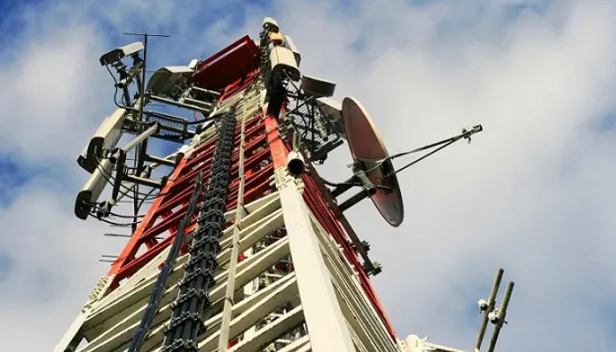
Antenna supporting structures must comply with structural standards like TIA-222 which specifies design loads for wind (up to 150 mph), ice, and seismic zones, requiring galvanized steel and precise foundation anchoring to ensure stability and alignment. Key Design Loads Explained When designing an antenna support structure, the primary goal is to ensure it can withstand

What is the structural standard for antenna supporting structures Read More »

Can you clean a waveguide

Yes, waveguides are cleaned using solvent like isopropyl alcohol and lint-free wipes to remove contaminants, ensuring surfaces remain smooth to maintain a low VSWR, typically under 1.5, and prevent signal loss at GHz frequencies. Check If Cleaning Is Needed​​ Waveguide maintenance isn’t about a fixed schedule; it’s about performance. Cleaning too often risks damaging precision

Can you clean a waveguide Read More »

What is the UHF band for satellite communication

The UHF band for satellite communication typically operates between 300 MHz and 3 GHz, with common downlink frequencies around 250-270 MHz and uplinks near 300-320 MHz. This band is favored for its reliable penetration through obstacles and relatively simple antenna requirements. Defining UHF Band Frequencies The UHF (Ultra High Frequency) band for satellite communication operates

What is the UHF band for satellite communication Read More »

Scroll to Top
Blank Form (#3)