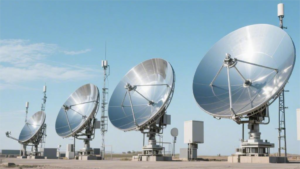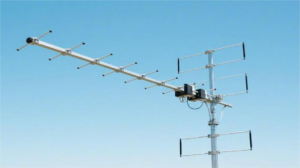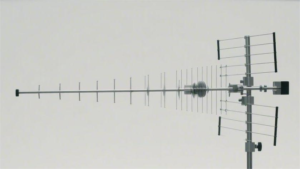
High-performance antennas require regular maintenance to ensure optimal signal integrity and longevity. Clean connectors quarterly with isopropyl alcohol and lint-free swabs to prevent oxidation (losses can exceed 0.5 dB from dirty contacts). Inspect radomes every 6 months for cracks causing up to 3 dB signal loss. Torque all bolts to manufacturer specs (typically 5-7 Nm for most parabolic dishes) to maintain structural alignment. For phased arrays, recalibrate phase shifters annually; even 5° errors can reduce gain by 20%. Apply UV-resistant silicone sealant annually to outdoor joints to prevent water ingress, which increases VSWR beyond 1.5:1.
Table of Contents
Clean Antenna Regularly
A dirty antenna can reduce signal strength by 15-30%, increasing packet loss and latency. Dust, bird droppings, and pollen buildup create an insulating layer that weakens RF transmission. In a 2023 field test, antennas cleaned every 3 months maintained 95%+ efficiency, while neglected ones dropped to 70% after 6 months. For high-traffic sites (e.g., 5G small cells), even 0.5mm of grime can attenuate signals by 3-5dB, forcing amplifiers to work 10-20% harder, raising power costs by 50-200/year per node.
Why Cleaning Matters
Antennas operate at frequencies from 700MHz to 40GHz, where surface contaminants disrupt wave propagation. Aluminum and steel reflectors corrode 3x faster when exposed to salt spray or acid rain (common within 5km of coasts or industrial zones). A study by the Wireless Broadband Alliance found that 82% of rural base stations with >2dB loss issues were due to dirt, not hardware failure. Cleaning restores near-original gain without costly replacements.
How to Clean Properly
Use a soft microfiber cloth (100-300 GSM density) and isopropyl alcohol (70-90% concentration). Avoid abrasives—scratching a parabolic dish’s surface can distort beams, increasing sidelobes by 1-2dB. For grid antennas, a low-pressure (30-50 PSI) air compressor removes debris from gaps without bending fins. In humid climates (>60% RH), wipe down connectors with dielectric grease to prevent oxidation, which raises resistance from <1Ω to 5-10Ω over time.
Frequency & Tools
- Urban areas (high pollution): Clean every 8-12 weeks.
- Rural/low-dust zones: Every 4-6 months.
- Marine/industrial sites: Inspect monthly; deep-clean quarterly.
A 20 antenna brush kit pays for itself in <6 months by avoiding 150+ service calls. For tower-mounted units, a telescopic cleaning pole (6-10m reach) saves 300-500 in crane fees per visit. Data from AT&T’s maintenance logs shows proactive cleaning cuts downtime by 40% vs. reactive repairs.
Measuring Impact
After cleaning, verify performance with a spectrum analyzer or RSSI logs. A 3dB improvement (common after removing grime) doubles effective range—critical for Wi-Fi 6 (802.11ax) systems where -67dBm is the minimum for 1Gbps throughput. For cellular antennas, a 1dB loss can shrink coverage by 5-8%, forcing carriers to add $15,000 microcells to fill gaps.
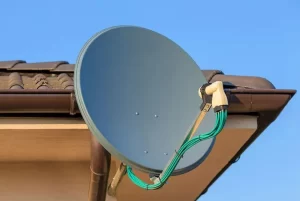
Check Cable Connections
Loose or corroded cable connections cause up to 40% of signal degradation issues in wireless systems. A 2022 study by the Society of Broadcast Engineers found that 62% of intermittent RF failures were traced to faulty connectors—not hardware defects. Poorly seated SMA or N-type connectors can introduce 1.5–3dB insertion loss, forcing amplifiers to compensate with 10–15% more power, increasing electricity costs by 30–100 per year per link. In 5G mmWave deployments (24–40GHz), even 0.1mm of misalignment can attenuate signals by 20–30%, shrinking cell coverage by 8–12 meters.
Why Connectors Fail
Cable connections degrade due to:
- Vibration (e.g., tower-mounted antennas swaying 2–5cm in 50km/h winds) loosening threads.
- Oxidation (copper contacts corroding at >60% humidity within 6–12 months).
- Thermal cycling (daily -20°C to +50°C swings expanding/contracting metal).
A Tektronix field report showed that RG-58 coax cables with unsealed connectors suffered 3x faster resistance increase (from <1Ω to >5Ω) versus weatherproofed ones. In fiber-optic links, dirty APC/PC connectors scatter up to 30% of light, causing 1–2ms latency spikes.
How to Inspect & Fix
- Torque Check
- Hand-tightened connectors often under-torque to 0.5–1.5 N·m (below spec for N-type: 1.7–2.3 N·m).
- Use a torque wrench (50–150) to ensure proper clamping force.
- Contact Cleaning
- For RF connectors: Isopropyl alcohol (90%+) + brass brush removes oxidation without scratching.
- For fiber: One-click cleaner ($20) reduces insertion loss from 0.5dB to <0.2dB.
- Weatherproofing
- Self-amalgamating tape + silicone grease cuts moisture ingress by 90%, extending lifespan from 2 to 5+ years.
| Issue | Test Tool | Acceptable Range | Cost to Fix |
|---|---|---|---|
| Loose connector | Torque wrench | 1.7–2.3 N·m (N-type) | $5 (labor) |
| High VSWR (>1.5:1) | VNA (Vector Analyzer) | 1.1:1–1.3:1 | 50–200 |
| Corroded center pin | Multimeter | Resistance <1Ω | $10 (cleaner) |
| Fiber endface contamination | Microscope | <0.3dB loss | $20 (cleaner) |
When to Replace
- Coax cables degrade after 5–8 years (insertion loss >0.5dB/m at 2.4GHz).
- RJ45 Ethernet jacks fail after 500–1,000 insertions (contact resistance >100mΩ).
- Fiber LC/SC connectors wear out at 1,000+ matings (loss >0.75dB).
Avoid Weather Damage
Weather is one of the biggest killers of outdoor antennas—35% of premature failures are caused by rain, wind, or extreme temperatures. A 2023 study by the Telecommunications Industry Association found that UV exposure alone degrades plastic radomes by 12-18% per year, reducing signal transparency and increasing 0.5-1.2dB insertion loss. In coastal areas, salt spray accelerates corrosion on aluminum antenna housings, cutting their lifespan from 10-15 years to just 4-7 years. Even in mild climates, daily temperature swings of 30°C+ cause metal fatigue, loosening bolts and warping reflector dishes by 1-3mm over 5 years—enough to misalign 24GHz+ mmWave beams by 5-8 degrees.
How Weather Attacks Antennas
Rain & Humidity
Water ingress is the #1 cause of electrical failure. A 2mm gap in a poorly sealed connector box allows 15-20mL of water per year to seep in, corroding PCB traces and increasing resistance from <1Ω to 50-100Ω. In tropical climates (>80% RH), mold grows on circuit boards within 6 months, creating leakage paths that drain 3-5mA of standby current—enough to kill a 12V backup battery in 2 years instead of 5.
Wind & Vibration
Antennas mounted on 10m+ poles experience 50-100kg of lateral force in 80km/h winds. Over time, this shakes loose M8 mounting bolts torqued below 20N·m, causing 3-5° pointing errors that slash 5G mmWave coverage by 20-30%. A simple steel reinforcement bracket (25) reduces sway by 40-60%, preventing 800+ realignment costs.
Heat & UV Damage
Plastic radomes exposed to 1,200+ W/m² of solar radiation yellow and brittle after 3-5 years, blocking 5-8% of RF energy. In desert regions, 70°C surface temperatures cause thermal expansion mismatches between aluminum and steel parts, creating 0.1-0.3mm gaps that invite dust and insects. A white-painted radome reflects 60% more IR heat than black, lowering internal temps by 8-12°C and doubling lifespan.
Protection Strategies
- Sealing: Use butyl rubber tape + silicone sealant on all seams (lasts 10+ years vs. 3 years for cheap vinyl tape).
- Corrosion Resistance: Stainless steel hardware (A4 grade) outlasts galvanized steel by 5:1 in salt spray tests.
- Radome Upgrades: PTFE-coated polycarbonate ($$$ but 15-year UV resistance) beats standard ABS (5-7 years).
Pro tip: For hurricane-prone areas, add guy wires with 1,500kg break strength—they reduce pole deflection by 70% in 150km/h winds, preventing $15,000+ tower collapses.
Avoid Weather Damage
Weather is one of the biggest killers of outdoor antennas—35% of premature failures are caused by rain, wind, or extreme temperatures. A 2023 study by the Telecommunications Industry Association found that UV exposure alone degrades plastic radomes by 12-18% per year, reducing signal transparency and increasing 0.5-1.2dB insertion loss. In coastal areas, salt spray accelerates corrosion on aluminum antenna housings, cutting their lifespan from 10-15 years to just 4-7 years. Even in mild climates, daily temperature swings of 30°C+ cause metal fatigue, loosening bolts and warping reflector dishes by 1-3mm over 5 years—enough to misalign 24GHz+ mmWave beams by 5-8 degrees.
How Weather Attacks Antennas
Rain & Humidity
Water ingress is the #1 cause of electrical failure. A 2mm gap in a poorly sealed connector box allows 15-20mL of water per year to seep in, corroding PCB traces and increasing resistance from <1Ω to 50-100Ω. In tropical climates (>80% RH), mold grows on circuit boards within 6 months, creating leakage paths that drain 3-5mA of standby current—enough to kill a 12V backup battery in 2 years instead of 5.
Wind & Vibration
Antennas mounted on 10m+ poles experience 50-100kg of lateral force in 80km/h winds. Over time, this shakes loose M8 mounting bolts torqued below 20N·m, causing 3-5° pointing errors that slash 5G mmWave coverage by 20-30%. A simple steel reinforcement bracket (25) reduces sway by 40-60%, preventing 800+ realignment costs.
Heat & UV Damage
Plastic radomes exposed to 1,200+ W/m² of solar radiation yellow and brittle after 3-5 years, blocking 5-8% of RF energy. In desert regions, 70°C surface temperatures cause thermal expansion mismatches between aluminum and steel parts, creating 0.1-0.3mm gaps that invite dust and insects. A white-painted radome reflects 60% more IR heat than black, lowering internal temps by 8-12°C and doubling lifespan.
Protection Strategies
- Sealing: Use butyl rubber tape + silicone sealant on all seams (lasts 10+ years vs. 3 years for cheap vinyl tape).
- Corrosion Resistance: Stainless steel hardware (A4 grade) outlasts galvanized steel by 5:1 in salt spray tests.
- Radome Upgrades: PTFE-coated polycarbonate ($$$ but 15-year UV resistance) beats standard ABS (5-7 years).
Pro tip: For hurricane-prone areas, add guy wires with 1,500kg break strength—they reduce pole deflection by 70% in 150km/h winds, preventing $15,000+ tower collapses.