+86 29 8881 0979

February 2026

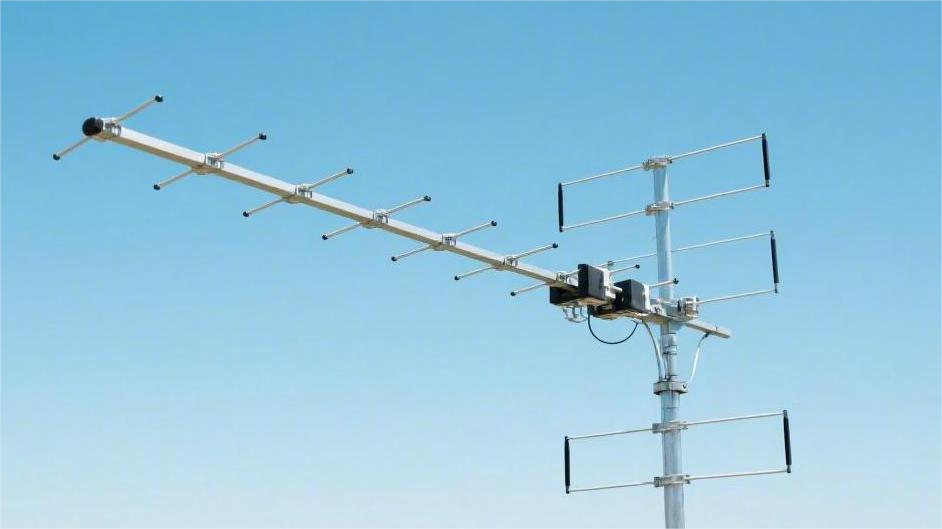
Log Periodic Antenna Working Principle Explained | Broadband, Self-Similar Structure

Log-periodic antennas rely on self-similar structures to achieve extremely wideband coverage, such as from 30MHz to 3GHz. During fabrication, multiple dipoles must be arranged proportionally, and the scaling factor for the length and spacing of adjacent elements is usually set to 0.85. In operation, the signal is fed into the shortest element at the very […]

Log Periodic Antenna Working Principle Explained | Broadband, Self-Similar Structure Read More »
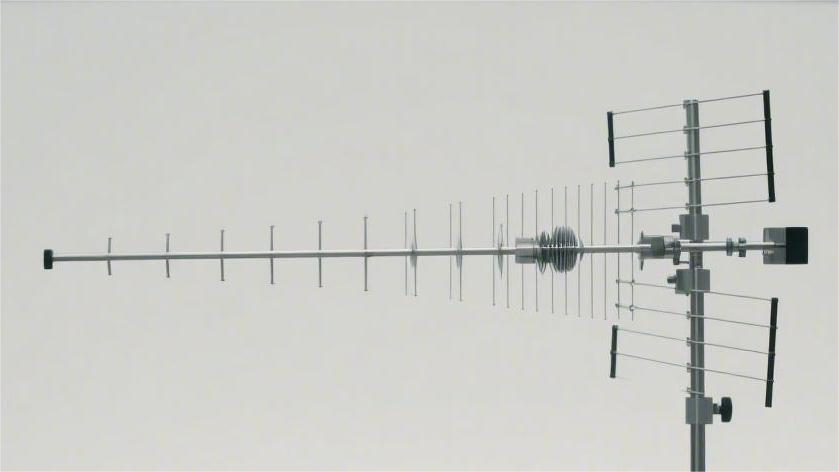
Log Periodic Antenna Design Guide | Frequency Range, Gain, Structure

Designing a log-periodic antenna requires first determining the coverage frequency band, with its operating frequency typically ranging between 30 MHz and 3 GHz. Its structure consists of multiple parallel dipoles with gradually changing lengths. During operation, the half-wavelength corresponding to the lowest operating frequency must first be calculated and used as the physical dimension of

Log Periodic Antenna Design Guide | Frequency Range, Gain, Structure Read More »

Custom IoT Antenna Solutions | Power, Size, Connectivity

By precisely controlling return loss below -10dB, customized antennas significantly enhance signal transmission efficiency by 20% within a miniature size and effectively reduce system power consumption by 15%, thereby ensuring superior connectivity stability and authoritative reliability for multi-band connections in complex industrial environments. Power Efficiency Through precise impedance matching, customized antennas control the Voltage Standing

Custom IoT Antenna Solutions | Power, Size, Connectivity Read More »

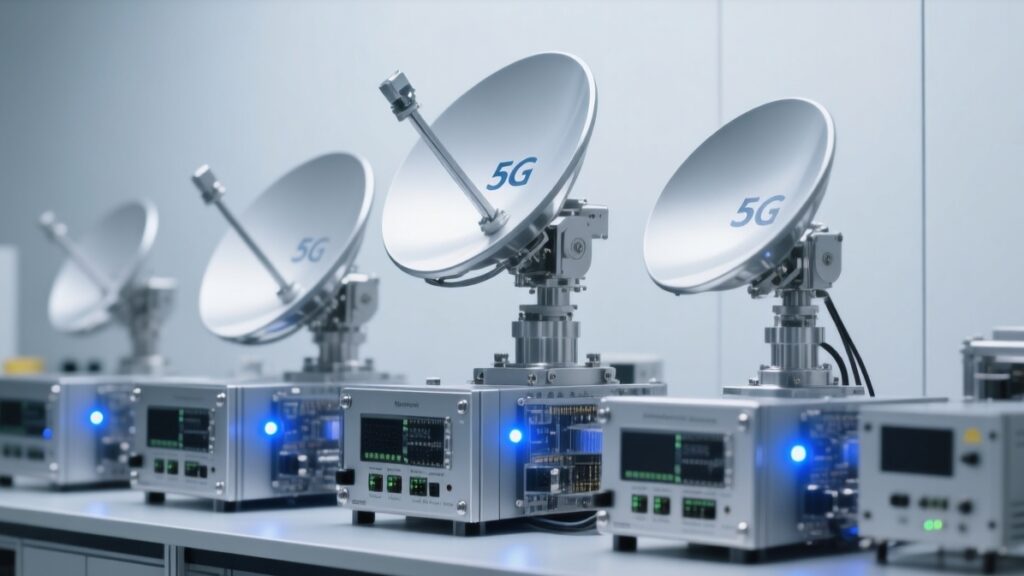
Custom 5G Antenna Solutions | High Bandwidth, MIMO, Latency

Leveraging our deep accumulation of RF technology, we provide customized 5G antenna solutions. By utilizing an advanced 4×4 MIMO architecture and supporting millimeter-wave (mmWave) bands, we achieve peak throughput exceeding 10Gbps and extreme latency below 1ms, ensuring absolute reliability and data integrity in high-bandwidth industrial interconnection scenarios. High Bandwidth Optimization In the 5G Sub-6GHz band,

Custom 5G Antenna Solutions | High Bandwidth, MIMO, Latency Read More »

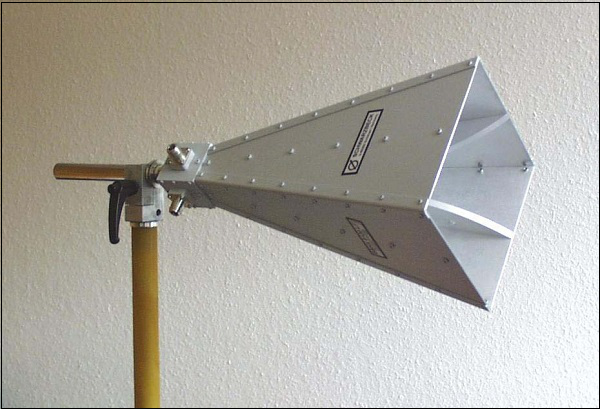
Horn Antenna Gain Calculation Guide | Formula, Aperture Area, Efficiency

Horn antenna gain is determined by the aperture area, operating wavelength, and efficiency (typically taken as 0.6). The calculation formula is: 4π multiplied by the area multiplied by the efficiency, divided by the square of the wavelength. A larger aperture area or a shorter wavelength results in higher gain, which significantly enhances the directional transmission

Horn Antenna Gain Calculation Guide | Formula, Aperture Area, Efficiency Read More »

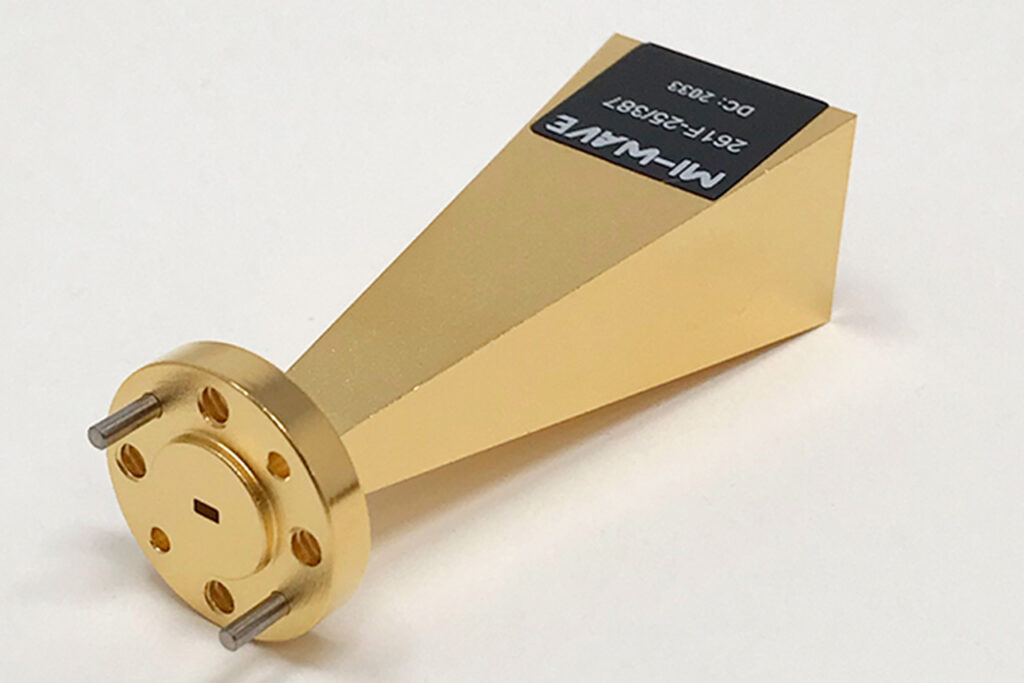
Standard Gain Horn Antenna Selection Guide | Frequency, Gain, VSWR

Selection depends on matching the frequency (e.g., 2-40 GHz), ensuring gain error < ±0.5 dB and VSWR < 1.3. Understanding Frequency Each horn antenna corresponds to a specific WR waveguide standard; for example, WR-28 covers 26.5 to 40 GHz, with internal waveguide dimensions of 7.112 mm x 3.556 mm. The frequency level directly relates to

Standard Gain Horn Antenna Selection Guide | Frequency, Gain, VSWR Read More »

Scroll to Top
Blank Form (#3)