+86 29 8881 0979

default

Waveguide vs coaxial cable for antennas | which is better

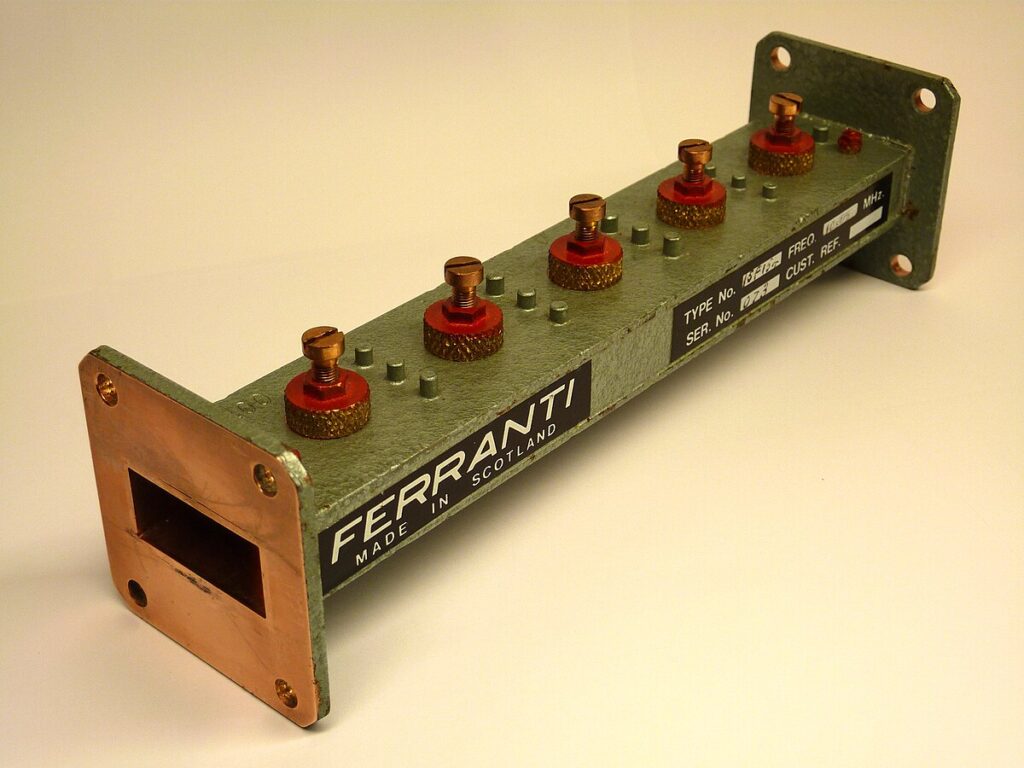
​Waveguides outperform coaxial cables for high-frequency (5GHz+) antenna systems, offering lower signal loss (0.1dB/m vs 0.5dB/m in RG-8U at 10GHz) and higher power handling (kW range vs 300W for 1-5/8″ coax). Their rigid aluminum construction minimizes EMI interference, though requiring precise flange connections (WR-90 standard for X-band) versus coax’s flexible F-connector installations. Choose waveguides for […]

Waveguide vs coaxial cable for antennas | which is better Read More »
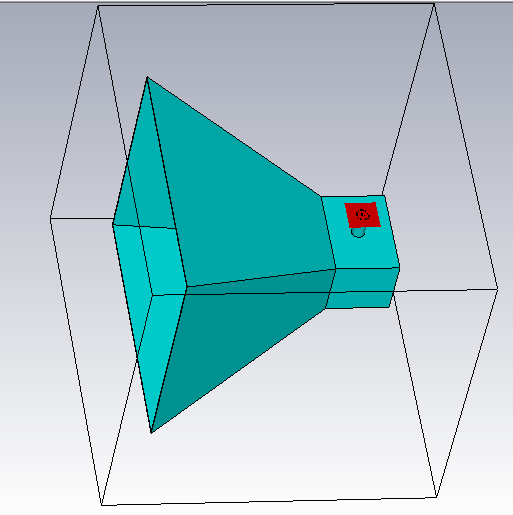
Microwave antenna feed horn types | which for radar

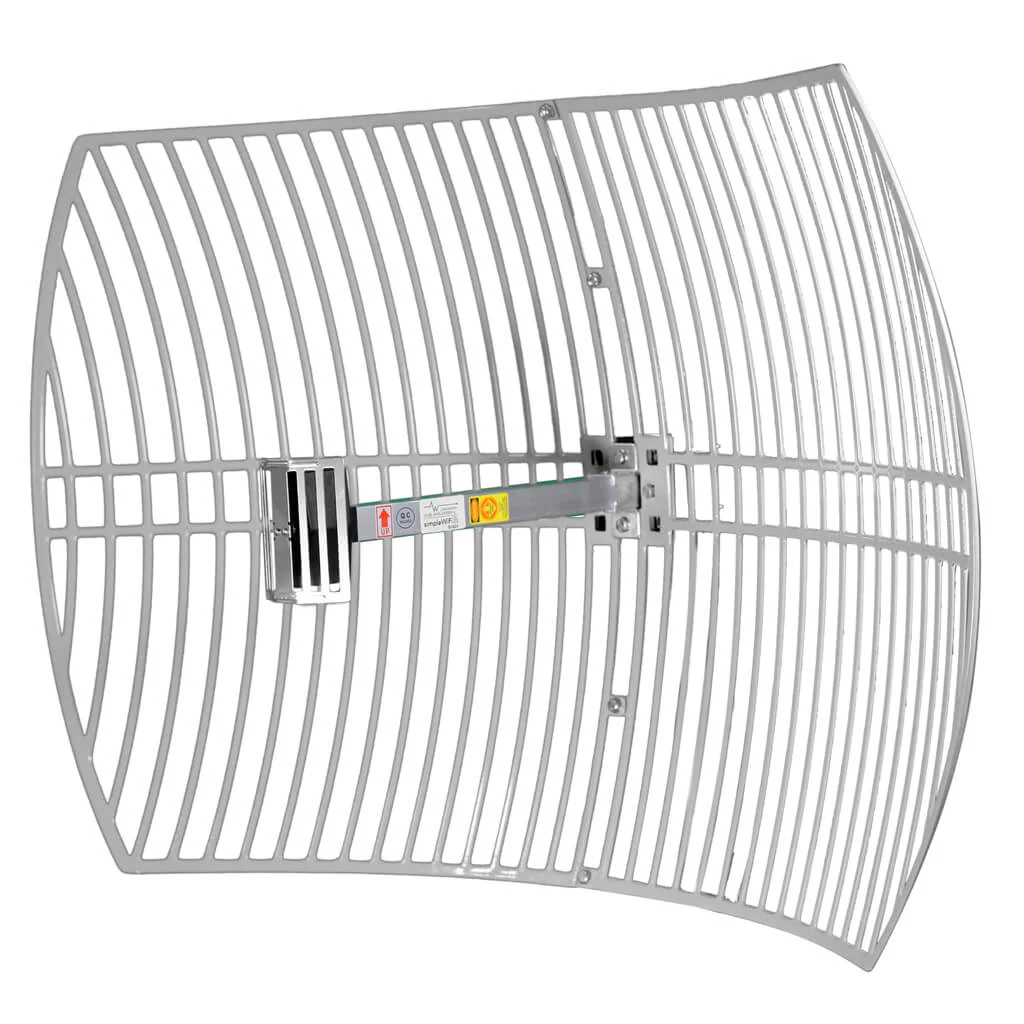
For radar systems, pyramidal feed horns (8-40 GHz) are common for their wide bandwidth, while conical corrugated horns (12-60 GHz) provide low sidelobes in precision tracking. Dual-mode horns optimize C/X-band (4-12 GHz) radar performance. Always match the feed horn’s polarization (linear/circular) and beamwidth to your radar’s frequency and application requirements. ​​Basic Feed Horn Designs​​ Feed

Microwave antenna feed horn types | which for radar Read More »

What are MMW antenna applications | 7 common uses

MMW (millimeter wave) antennas are widely used in 5G networks (24-100 GHz), automotive radar (77-81 GHz), and security scanners (60 GHz). They enable high-speed data transfer (up to 10 Gbps), short-range imaging (3-5 meter detection), and satellite communications (V-band). Proper alignment and material selection are critical for optimal performance. Fast Mobile Networks Millimeter-wave (MMW) antennas

What are MMW antenna applications | 7 common uses Read More »

Microwave and antenna differences | why use waveguide

​Waveguides (e.g., WR-90 for 8.2-12.4GHz) outperform coaxial cables at high frequencies (>2GHz) with lower loss (0.1dB/m vs. 0.5dB/m), higher power handling (kW range), and better shielding. They enable precise microwave signal transmission in radar (e.g., X-band) and satellite systems by minimizing dispersion and EMI. ​What is a Microwave​​ Microwaves are a type of ​​electromagnetic wave​​

Microwave and antenna differences | why use waveguide Read More »

MMW antenna frequency bands | how to choose in 5 ways

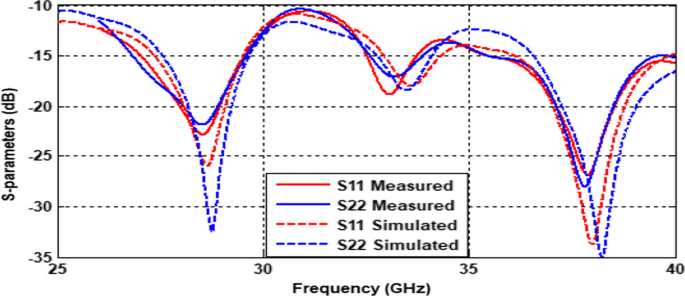
To choose MMW antenna frequency bands (24GHz-100GHz), consider application needs (e.g., 28GHz for 5G, 60GHz WiGig), propagation loss (60GHz suffers 16dB/km oxygen absorption), antenna size (higher frequencies allow smaller arrays), regulatory constraints (FCC limits 57-71GHz), and hardware availability (24/28GHz chips are more mature). Test with VNA for impedance matching (SWR<2) and verify beamwidth via pattern

MMW antenna frequency bands | how to choose in 5 ways Read More »

Broadband omni antenna setup | how to do it fast in 5

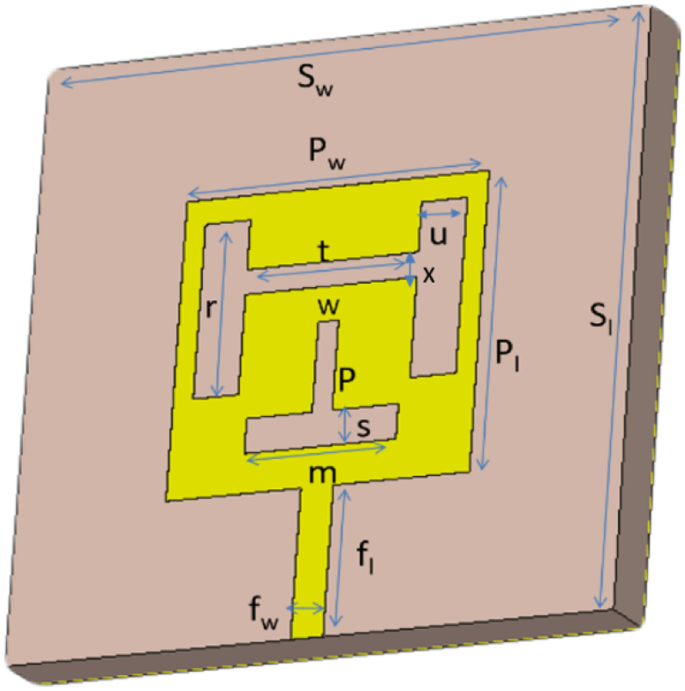
For quick broadband omni antenna setup, mount vertically at 5-10m height, use 50-ohm RG-8U cable (max 30m length), ground properly (≤3Ω resistance), align N-connectors torque (0.6-0.9Nm), and test with 2.4/5GHz dual-band router. Achieves 360° coverage with <3dB gain variation. ​​Pick the Right Antenna Type​​ Choosing the right omnidirectional antenna can make or break your broadband

Broadband omni antenna setup | how to do it fast in 5 Read More »

Why radar horn antenna efficiency matters | 5 checks

Radar horn antenna efficiency impacts signal strength (typically 50-80% for standard models). Key checks include proper flange alignment (≤0.1mm gap), waveguide matching (VSWR <1.5), internal surface smoothness (Ra <0.8μm), correct flare angle (10°-60° range), and moisture sealing (IP67 rating). Proper maintenance ensures 95%+ radiation efficiency. How Horns Focus Signals Radar horn antennas are surprisingly simple

Why radar horn antenna efficiency matters | 5 checks Read More »

MMW antenna vs microwave | which is better for 5G

For 5G networks, MMW (millimeter wave) antennas outperform microwave with 10x faster speeds (1-3Gbps vs 100-300Mbps) and ultra-low latency (<5ms). While microwaves cover 1-5km, MMW’s shorter 200-300m range is offset by 64-element beamforming that boosts capacity 40x. MMW’s 24-100GHz bands enable 800MHz channel bandwidth versus microwave’s 6GHz max. However, MMW requires 3-5x more small cells

MMW antenna vs microwave | which is better for 5G Read More »

What are 5 benefits of broadband omni antenna in telecom

Broadband omni antennas enhance telecom networks with 360° coverage (reducing dead zones by 60%), support multiple frequencies (700MHz-6GHz), and improve signal strength by 15-20dB. They enable 5G/4G/Wi-Fi coexistence, reduce installation costs by 30% through single-unit deployment, and provide consistent 50-100Mbps speeds across all directions. Their weather-resistant designs maintain 98% uptime in extreme conditions. ​​Wider Signal

What are 5 benefits of broadband omni antenna in telecom Read More »

Radar antenna array design | how to improve in 8 steps

To optimize radar antenna array design, increase element count by 30% for 5dB gain, use λ/2 spacing (0.7λ for wide scan), apply Taylor weighting (-35dB sidelobes), integrate phase shifters with 0.5° precision, implement adaptive beamforming (20° faster tracking), reduce mutual coupling below -25dB, use low-loss substrates (εr=2.2), and calibrate with near-field testing (±0.3dB accuracy). ​​Choose

Radar antenna array design | how to improve in 8 steps Read More »

Scroll to Top
Blank Form (#3)