Author name: Dolph

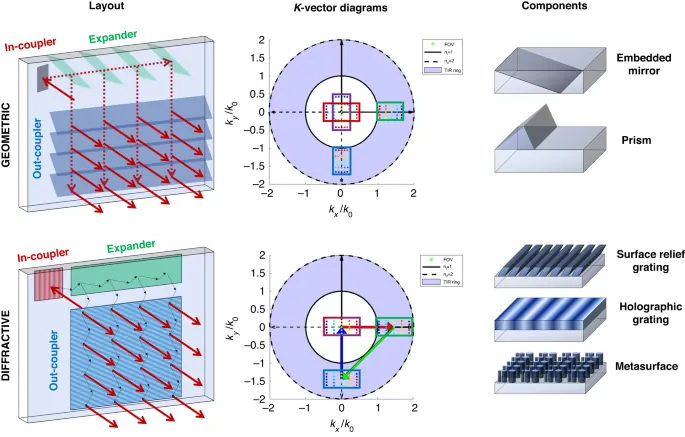
What is the functionality of waveguide combiners

Waveguide combiners merge multiple RF signals into one, reducing system complexity; in X-band (8–12GHz) applications, they achieve ≤0.5dB insertion loss and ≥20dB isolation via precision-machined flanges (e.g., WR-90, ±0.05mm tolerance) for impedance matching, optimizing power efficiency in radar/communication systems. Merging Real and Virtual Light Waveguide combiners are the core optical engines in most modern augmented […]

What is the functionality of waveguide combiners Read More »
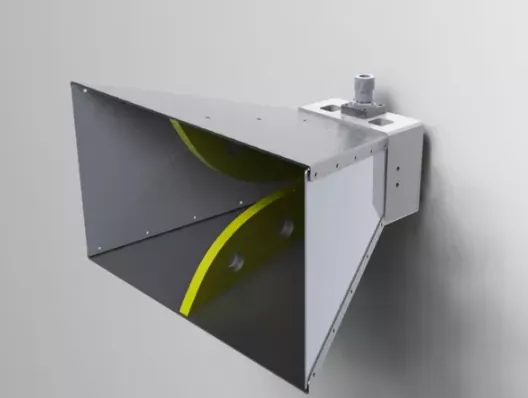
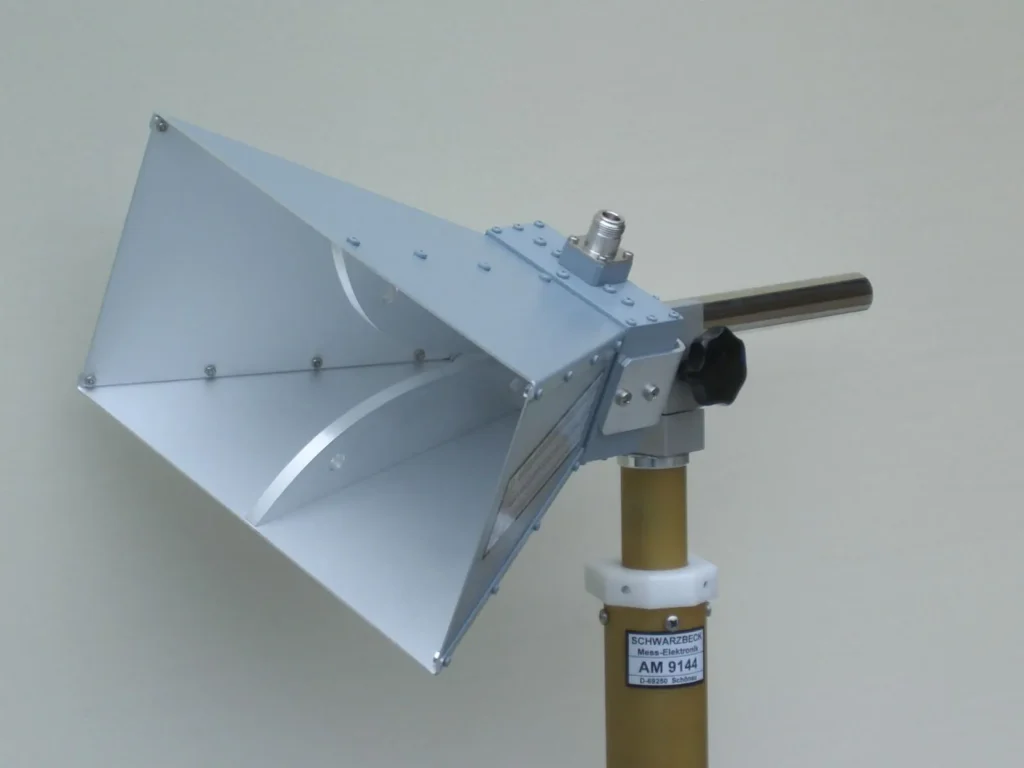
Why is the efficiency of a corrugated horn antenna higher than the convention horn antenna

Corrugated horn antennas outperform conventional ones due to their periodic grooved structure (e.g., 0.5–1mm depth, 2–4 grooves/wavelength) that minimizes edge diffraction and surface current scattering, reducing ohmic losses. This design achieves ≥85% radiation efficiency (vs. 60–70% for conventional) with VSWR ≤1.2 across 10–40GHz, optimizing RF energy directionality and reducing wasted power. Basic Structure Differences In

Why is the efficiency of a corrugated horn antenna higher than the convention horn antenna Read More »

What is the difference between a load bank and a dummy load

Load banks are large, programmable systems (10-1000kW, ±1% accuracy) for generator/grid testing, while dummy loads are compact, fixed (e.g., 50Ω, 100W) tools for RF/device validation, differing in scale, programmability, and primary use cases. Basic Definitions First A ​​dummy load​​ is a simple, passive device designed to provide a fixed electrical load for basic functional testing.

What is the difference between a load bank and a dummy load Read More »

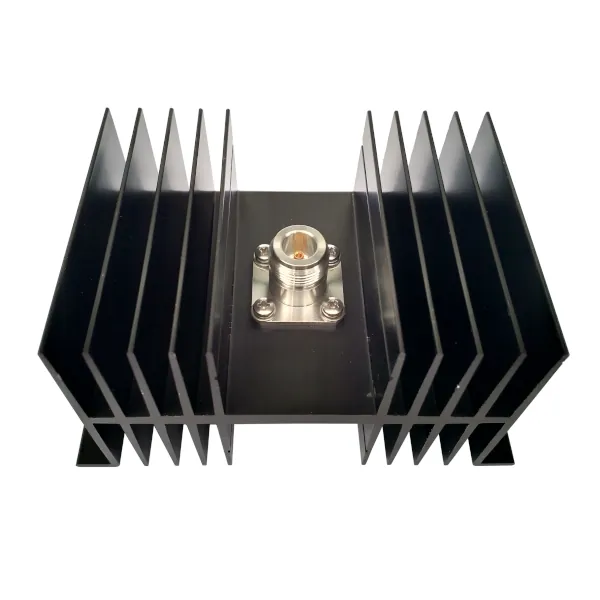
What is an RF termination

An RF termination absorbs RF energy to prevent signal reflections, typically rated at 50Ω/75Ω impedance, handling 10-100W power, used in test setups or systems to maintain signal integrity within DC-6GHz frequency ranges. Definition and Basic Function An RF termination is a simple but critical component used at the end of a transmission line to absorb

What is an RF termination Read More »

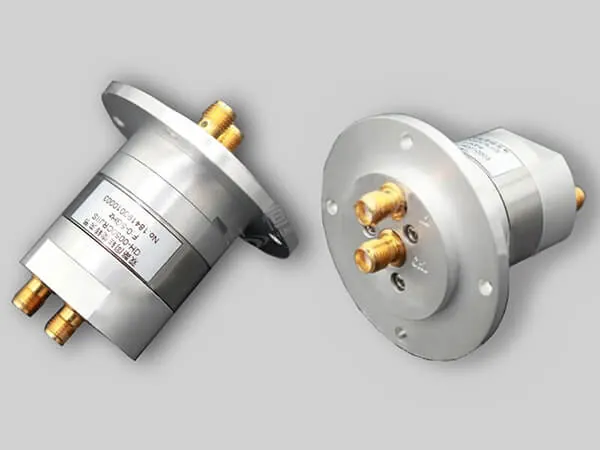
How do RF rotary joints work

An RF rotary joint carries radio-frequency signals between stationary and rotating parts of a system. It provides a rotating transmission interface so that an antenna or other assembly can turn without continuously twisting its RF cable. The internal design may use electrical contacts or non-contacting electromagnetic coupling; frequency coverage, loss and power handling depend on

How do RF rotary joints work Read More »

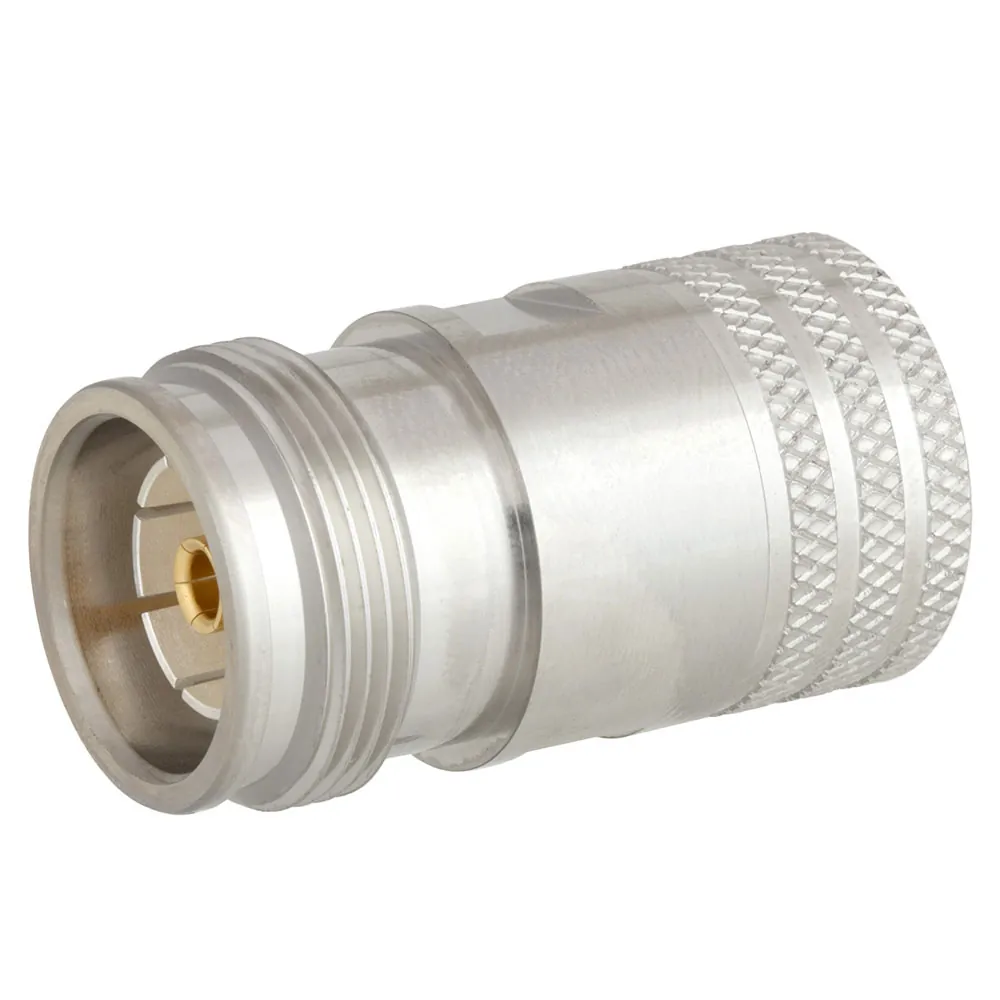
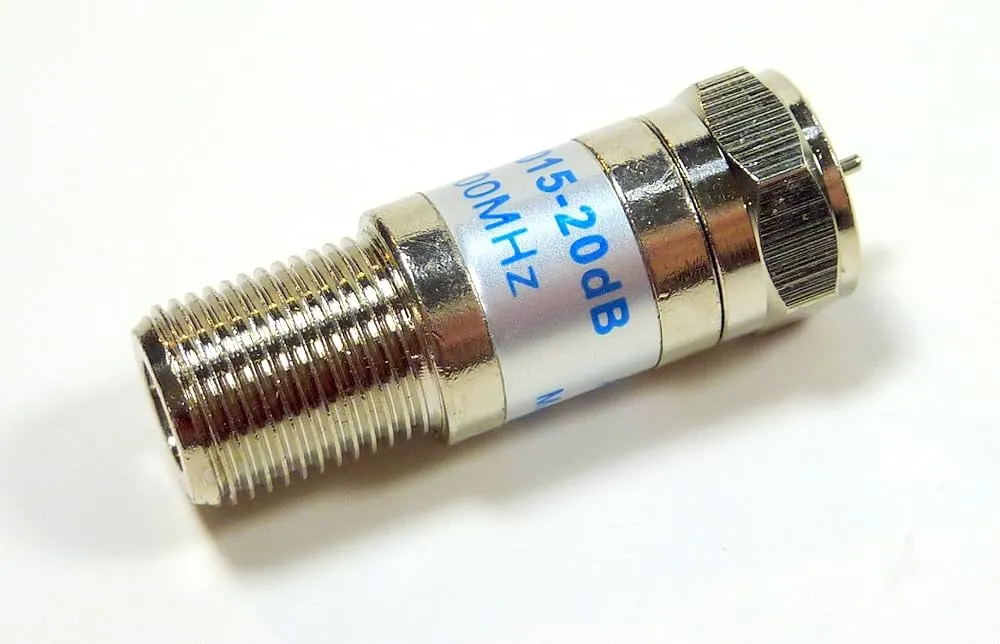
How do I choose the right coaxia attenuator

To select the right coaxial attenuator, match its frequency range (e.g., 50MHz–6GHz) to your system’s operating band. Choose attenuation (3dB/10dB) based on signal level needs; ensure power handling (≥10W CW) exceeds peak input. Prioritize low VSWR (≤1.5) for minimal reflection, and verify with a network analyzer. Opt for corrosion-resistant materials (brass/stainless steel) for durability. Understand

How do I choose the right coaxia attenuator Read More »

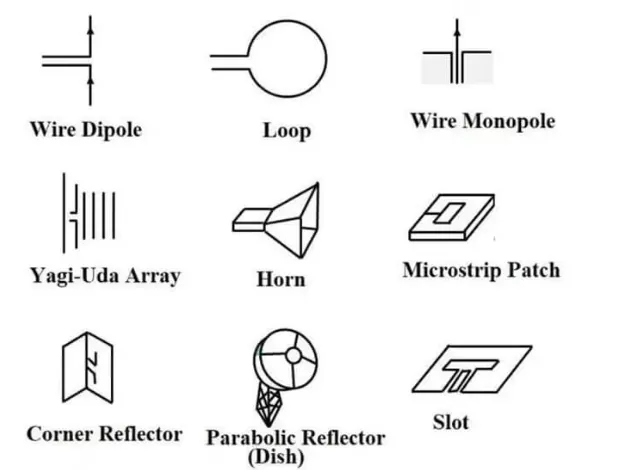
Which type of antenna is typically used for long distance communication

Parabolic dish antennas, common in long-distance communication, feature high gain (30–40 dBi) and narrow beamwidth (1–2° half-power), ideal for focusing signals over kilometers. Operating at 2–40 GHz (e.g., satellite links), a 1m diameter dish minimizes path loss; precise pointing (<0.1° alignment) ensures strong reception, outperforming omnidirectional antennas by 20–30 dB in distant transmission. Antennas for

Which type of antenna is typically used for long distance communication Read More »

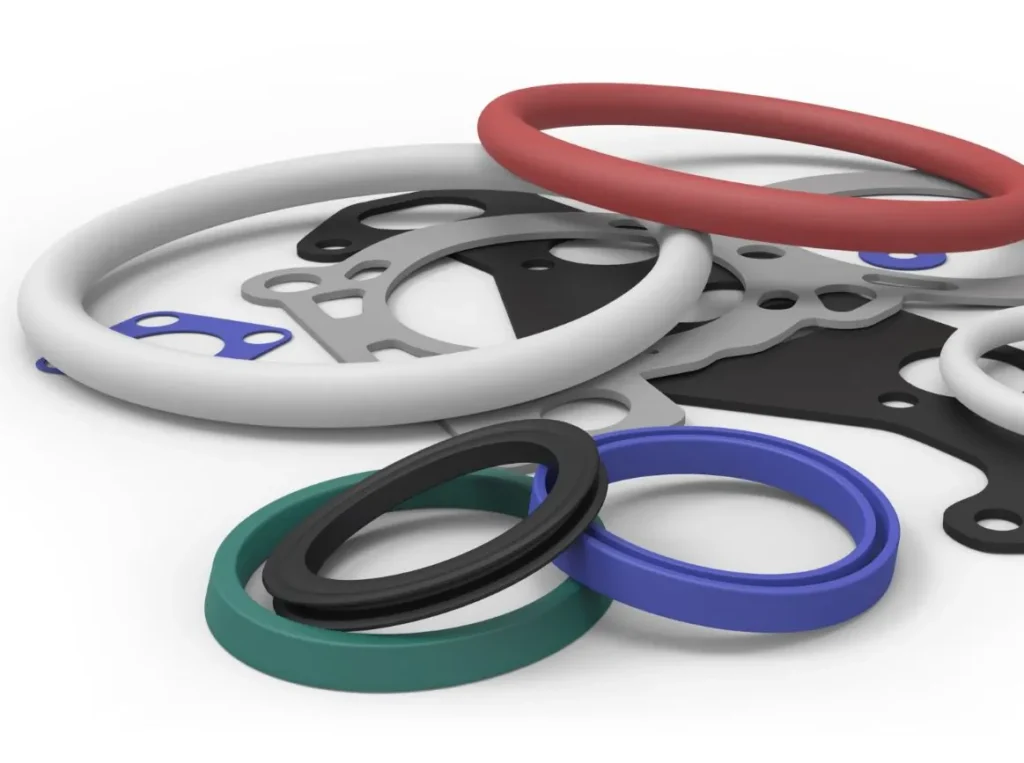
What is the difference between O-ring and U seal

O-rings are circular elastomeric seals (e.g., nitrile, Viton) with a round cross-section, ideal for static/dynamic applications up to 3,000 psi, sealing via radial compression between mating surfaces. U-seals, U-shaped with a lip, handle higher pressures (5,000+ psi) in reciprocating motion (e.g., hydraulics), resisting extrusion better due to their profile, reducing wear in high-cycle systems. Basic

What is the difference between O-ring and U seal Read More »

Scroll to Top
Blank Form (#3)