+86 29 8881 0979

Author name: Dolph

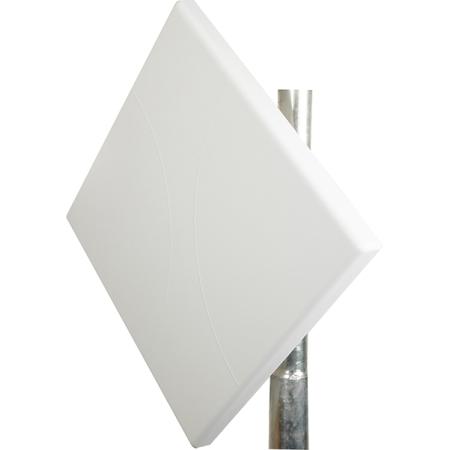
7-Step Maintenance Checklist for Flat Plate Antennas

Regular maintenance of flat plate antennas includes inspecting for physical damage, checking connector integrity, cleaning surfaces with non-abrasive materials, verifying mounting stability, testing VSWR (aiming for <1.5:1), confirming polarization alignment, and re-calibrating azimuth/elevation angles every 6 months to ensure optimal performance and signal strength retention within ±2 dB. Surface Cleaning Can’t Be Negligent Last year, […]

7-Step Maintenance Checklist for Flat Plate Antennas Read More »
How Blade Antennas Cut Signal Loss by 30 in Ships

Blade antennas reduce signal loss by 30% in ships through optimized design for marine environments, using durable materials that resist corrosion and enhance signal transmission. Their broad bandwidth capabilities ensure reliable communication even in rough seas. Marine Antenna Challenges Last year at the Panama anchorage, a roll-on/roll-off ship’s radome seal cracked. The ship owner insisted

How Blade Antennas Cut Signal Loss by 30 in Ships Read More »

Why High Band Antennas Outperform in Dense Urban Areas

In dense urban areas, high-band antennas (2.4 GHz and above) outperform due to their ability to penetrate obstacles more effectively. Studies show a 30% improvement in signal reliability and a 20% increase in data throughput compared to lower frequencies, enhancing connectivity in crowded environments. High-rise Signal Killer Last year, when the SES technical team was

Why High Band Antennas Outperform in Dense Urban Areas Read More »

4 Hidden Benefits of Conformal Antennas in Aviation

Conformal antennas in aviation reduce drag by up to 5%, improving fuel efficiency. They seamlessly integrate into aircraft structures, enhancing aerodynamics without compromising design, and can withstand temperatures from -50°C to +70°C, ensuring reliability in extreme conditions. Plane Weight Reduction Tricks At 3 AM, engineers at the Canadian Aviation Maintenance Center discovered that the waveguide

4 Hidden Benefits of Conformal Antennas in Aviation Read More »

5G Sectoral Antenna Buyer’s Checklist | 6 Key Specs

When buying a 5G sectoral antenna, check frequency range (e.g., 3.4–3.8 GHz), gain (16–20 dBi), beamwidth (65° or 90°), VSWR (<1.5:1), IP rating (IP67+), and mounting options for optimal network performance and coverage. Frequency Band Selection Last year in Huawei’s Xi’an microwave anechoic chamber, we used R&S ZVA67 to measure a certain antenna’s phase noise

5G Sectoral Antenna Buyer’s Checklist | 6 Key Specs Read More »

Conformal vs Sectoral | 6 Performance Metrics Compared

Conformal antennas offer 5% lower drag and better integration, while sectoral antennas provide higher gain (16–20 dBi) and wider beamwidth (65°–120°). Compare frequency range, VSWR (<1.5:1), durability, and mounting options for optimal performance in different applications. Coverage Capability Last year, the Ku-band transponder of Indonesia’s TELKOM-3 communications satellite suddenly went offline, with ground stations detecting

Conformal vs Sectoral | 6 Performance Metrics Compared Read More »

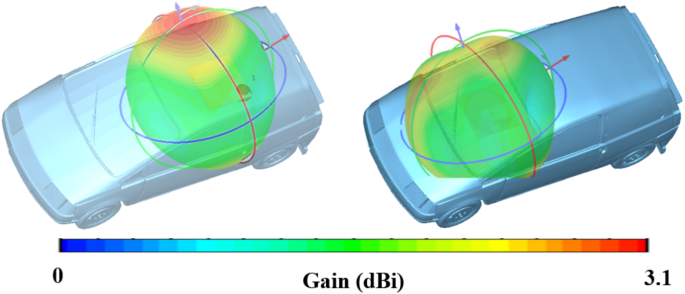
Why W-Band Antennas Are Critical for Autonomous Cars

W-band antennas (75–110 GHz) are critical for autonomous cars due to their high resolution and fast data transmission. They enable real-time object detection with precision up to 10 cm at 300 meters. Operating at 60+ Gbps data rates, these antennas support reliable vehicle-to-everything (V2X) communication, enhancing safety and navigation in complex driving environments. What is

Why W-Band Antennas Are Critical for Autonomous Cars Read More »

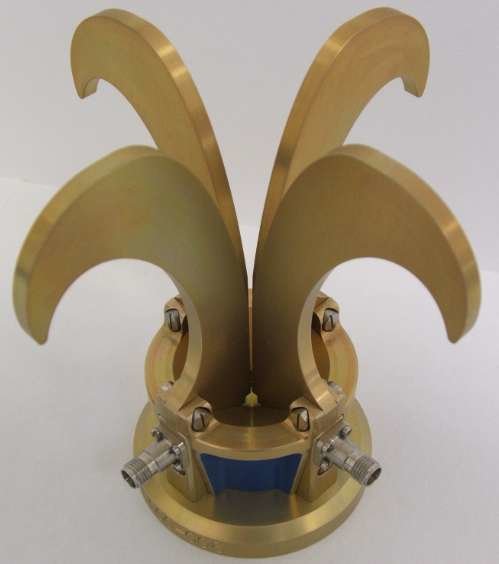
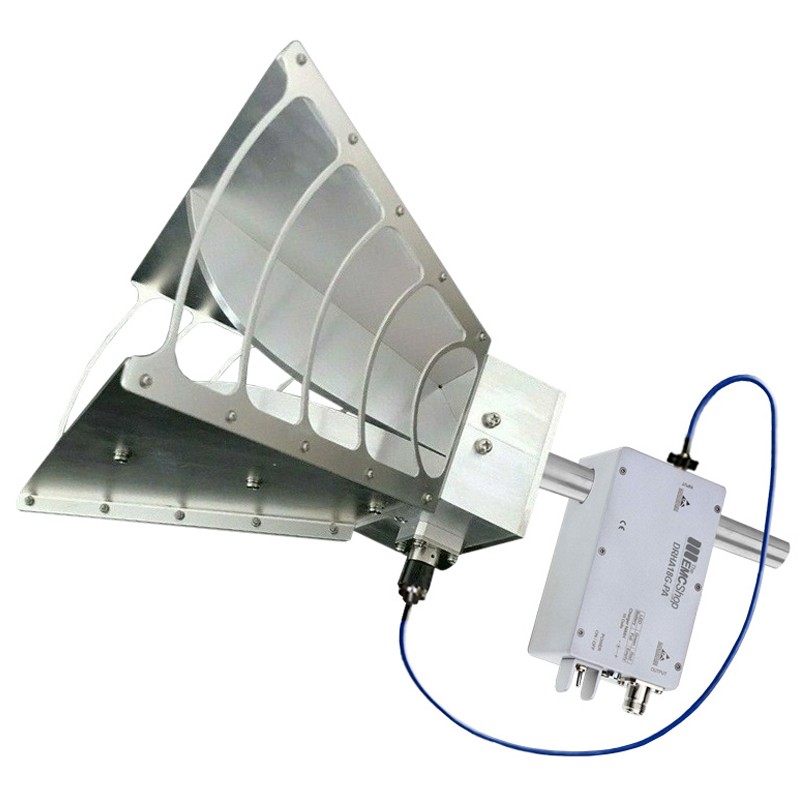
Why Military Prefers Quad Ridged Horns-4 Key Facts

Military prefers quad ridged horns for their wide bandwidth (1–40 GHz), high gain (>20 dBi), and excellent polarization purity. These antennas support electronic warfare, signal intelligence, and radar systems. Their rugged design ensures reliable performance in harsh environments, making them ideal for both field and airborne operations. Withstanding Extreme Temperatures At 3 AM, the Houston

Why Military Prefers Quad Ridged Horns-4 Key Facts Read More »

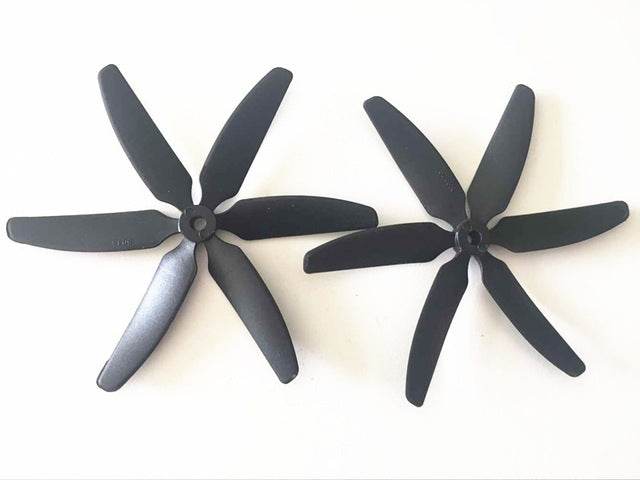
3 Material Secrets Behind Durable Antenna Blades

Durable antenna blades often use fiberglass for strength and flexibility, with a tensile strength up to 3000 MPa. Incorporating UV-resistant polymers enhances weather durability, reducing degradation by 50%. Utilizing conductive epoxy improves electrical connections, ensuring reliable performance even in harsh environments with temperatures ranging from -40°C to +80°C. Fiberglass Resists Salt Fog Corrosion At 3

3 Material Secrets Behind Durable Antenna Blades Read More »

Scroll to Top
Blank Form (#3)