Author name: Dolph

Why Use Waveguide Screws Instead of Bolts

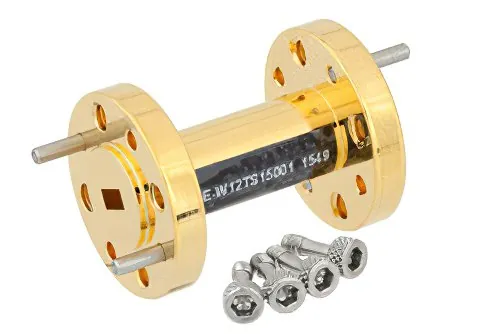
Use screws or bolts according to the flange drawing, access and required clamp load; screws do not inherently produce lower RF leakage. A tapped flange and a through-hole flange need different fastening arrangements. Specify thread, engagement, material, finish and tightening procedure together, and verify the assembled joint against its RF and sealing requirements. What determines […]

Why Use Waveguide Screws Instead of Bolts Read More »
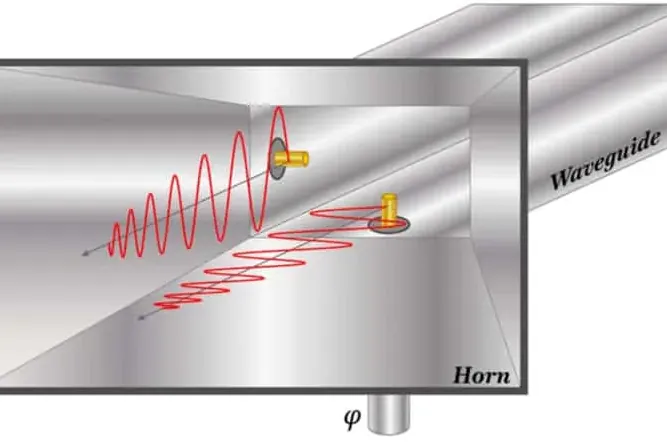
How Do Waveguide Combiners Reduce Interference

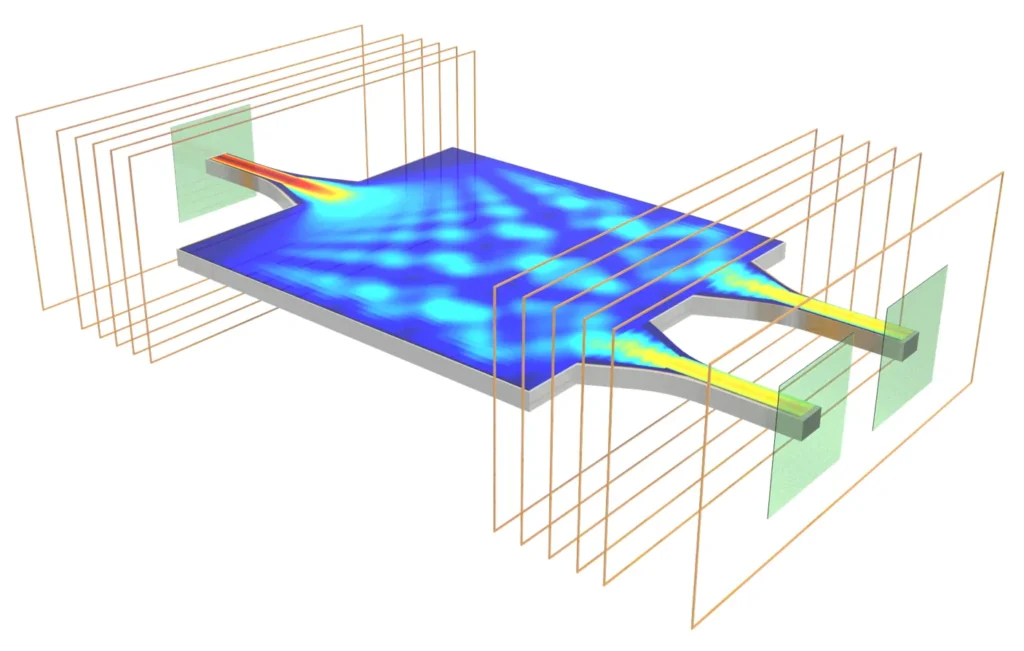
A waveguide combiner does not remove arbitrary interference. It combines signals according to its port relationships; hybrids can isolate selected ports and direct imbalance power toward a terminated port. Specify phase, amplitude, frequency and load conditions first. For equal two-way division, 3.01 dB is the ideal split, not dissipative loss. What can a waveguide combiner

How Do Waveguide Combiners Reduce Interference Read More »

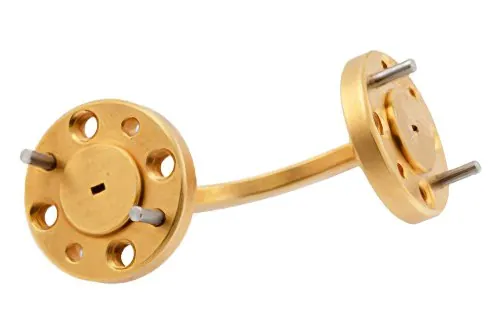
How to Measure Waveguide Flange Sizes Accurately

Measure a waveguide flange against its approved interface drawing, not the WR designation alone. Verify the aperture, mounting holes, alignment features and mating face using tools capable of resolving the specified tolerances. Record the datum system, temperature, measurement results and uncertainty. A waveguide designation identifies the guide size. It does not uniquely define the flange

How to Measure Waveguide Flange Sizes Accurately Read More »

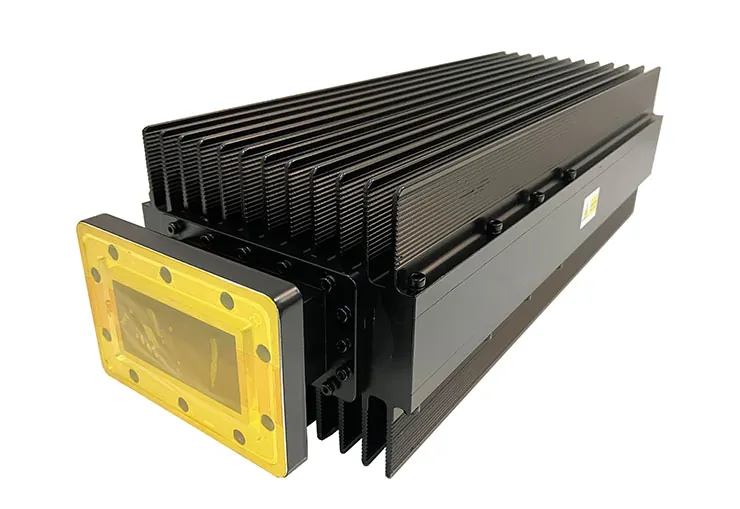
What Is a Waveguide Dummy Load Used For

A waveguide dummy load terminates an RF path and converts accepted microwave power into heat. It supports transmitter testing, unused-port termination and reflected-power absorption when correctly rated. Return loss describes matching; average power, peak power and cooling describe different operating limits. A shorting plate cannot replace a matched load in these applications. What does a

What Is a Waveguide Dummy Load Used For Read More »

What Materials Make Ideal Waveguide Gaskets

The right waveguide gasket depends on its job: pressure sealing, electrical contact or both. Match the compound and cross-section to the flange drawing, temperature and fluid exposure. MIL-DTL-83528 addresses conductive shielding elastomers; MIL-DTL-24211 addresses waveguide pressure seals. Neither a material name nor a shielding value alone establishes assembled insertion loss in dB. What must a

What Materials Make Ideal Waveguide Gaskets Read More »

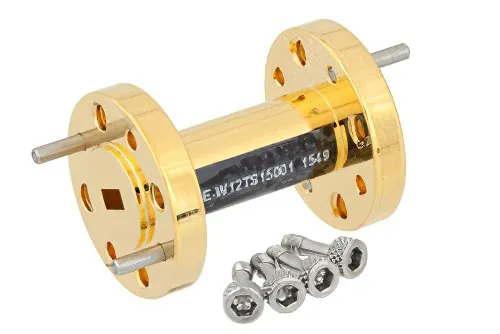
Why Are Waveguide Flange Specifications Critical

Waveguide flange specifications determine whether two components align, make the intended electrical contact and meet the joint’s sealing requirements. Matching the waveguide size alone is insufficient: the flange face, bolt pattern, alignment pins and gasket arrangement must also match. A joint that bolts together can still introduce mismatch or poor measurement repeatability. Match the complete

Why Are Waveguide Flange Specifications Critical Read More »

Scroll to Top
Blank Form (#3)