Author name: Dolph

Waveguide-Horn-Antennas

What is the difference between horn antenna and parabolic antenna

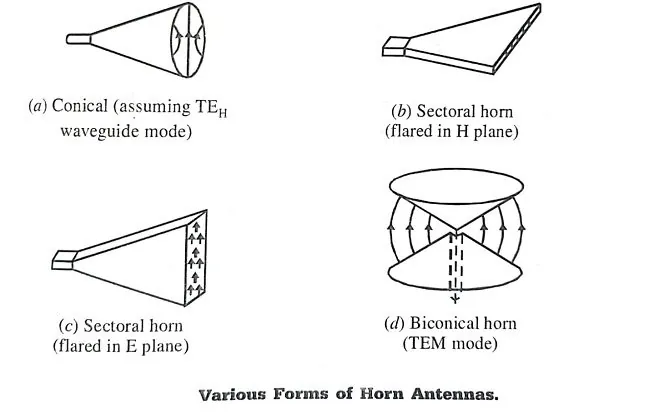
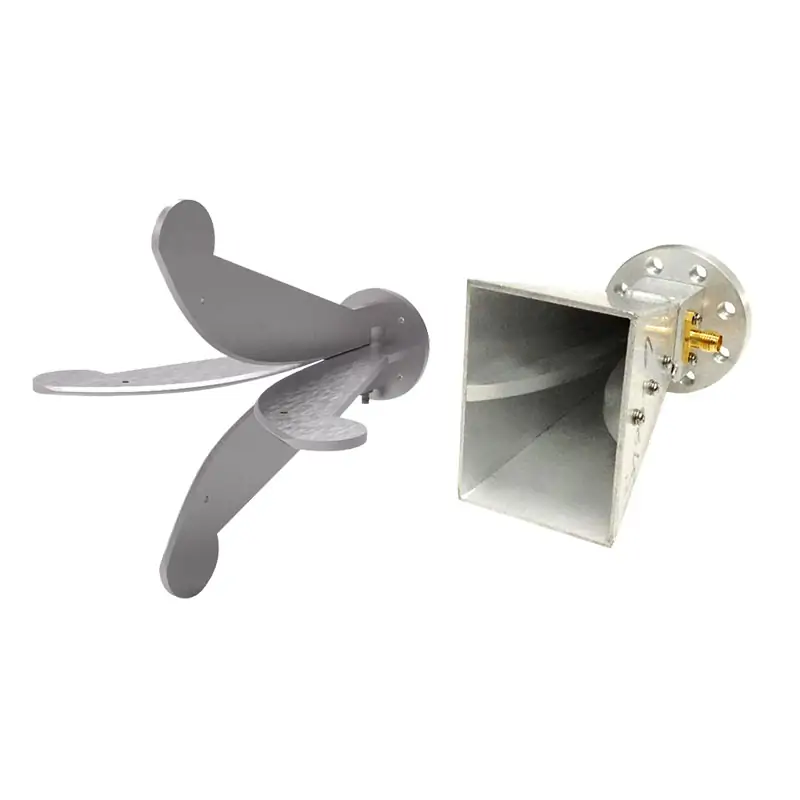
Horns give 22dBi gain at 12GHz with ±15cm installation tolerance, while parabolic dishes are capable of 38dBi gain but require surface accuracy <λ/16. Parabolics demand ≥2D²/λ far-field test distance, while horns have ±3λ axial deviation tolerances. Phase drift: 0.15°C (horn) compared to 0.03°C (parabolic with CFRP). Principle Comparison Last year when we were debugging AsiaSat […]

What is the difference between horn antenna and parabolic antenna Read More »
3 Emerging Uses of Sinusoidal Antennas in IoT

Sinusoidal antennas are emerging in IoT for their compact size, high efficiency, and multi-band capabilities. They enable reliable communication in wearable devices, smart sensors, and asset tracking systems. With operating frequencies up to 60 GHz and a 25% improvement in signal clarity, these antennas enhance connectivity and power efficiency in dense IoT networks. Farmland Soil

3 Emerging Uses of Sinusoidal Antennas in IoT Read More »

3 Cost Saving Features of Open Waveguide Antennas

Open waveguide antennas offer cost-saving features such as reduced material expenses, simplified manufacturing processes, and lower maintenance costs. Their design eliminates the need for complex enclosures, cutting production costs by up to 30%. Additionally, their durability in harsh environments reduces replacement frequency, saving up to 20% in long-term operational expenses. Material Costs Halved Last year,

3 Cost Saving Features of Open Waveguide Antennas Read More »

How Dual Polarized Horn Antennas Enhance Satellite Comms

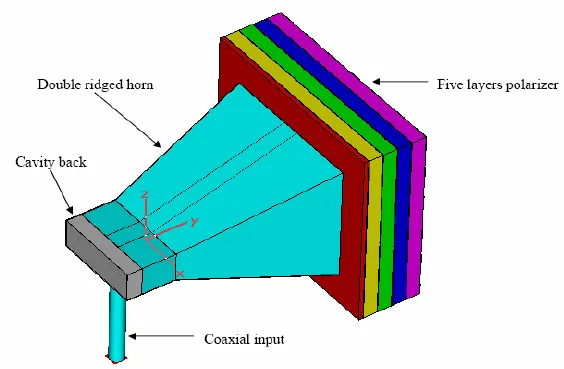
Dual-polarized horn antennas enhance satellite communications by supporting simultaneous transmission and reception of signals in two orthogonal polarizations, improving spectral efficiency by up to 30%. They reduce interference and improve signal clarity, especially in high-density communication environments. Their design allows for broader bandwidth and better gain stability, making them ideal for modern satellite systems requiring

How Dual Polarized Horn Antennas Enhance Satellite Comms Read More »

How Spiral Antennas Reduce EMI 3 Critical Factors

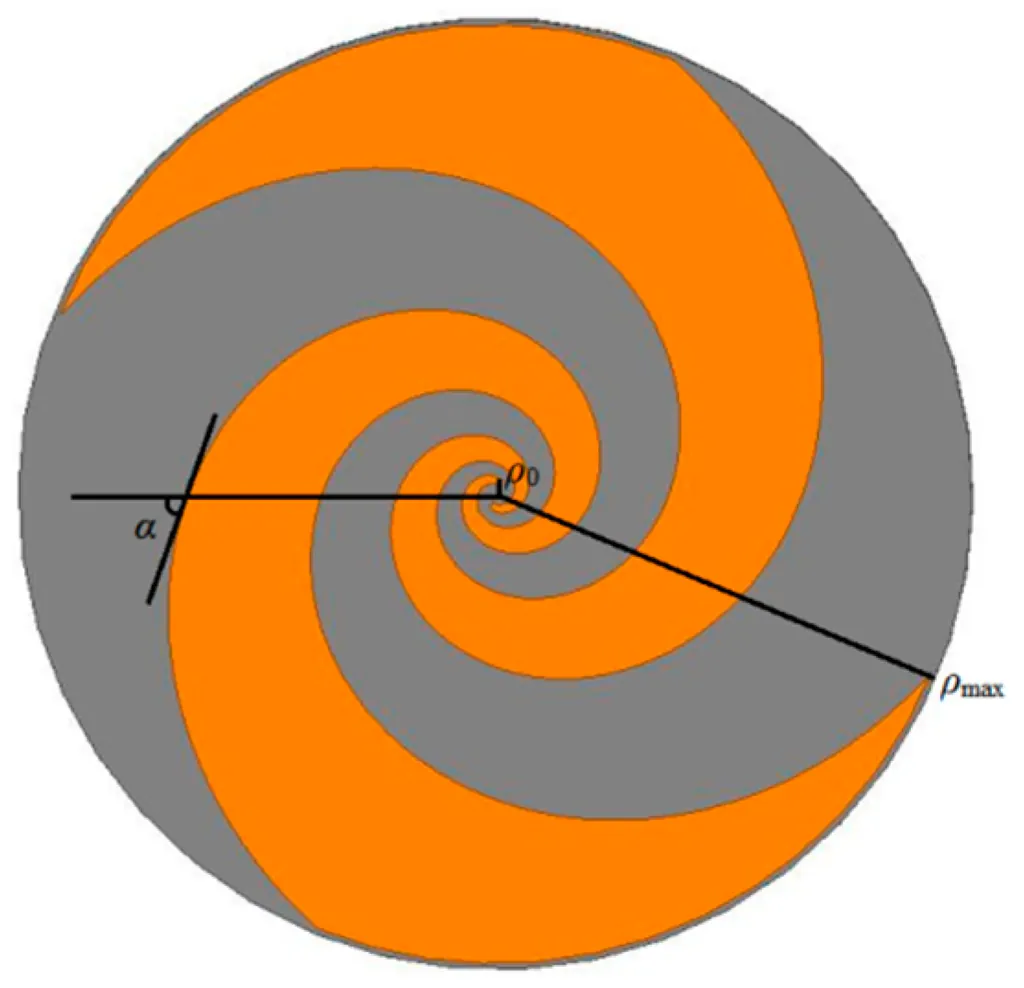
Spiral antennas reduce EMI through three factors: broadband operation (1–18 GHz range), circular polarization (reducing cross-talk by 40%), and low radiation resistance. Their self-complementary design minimizes impedance variation, enhancing signal integrity. Proper grounding and shielding further improve EMI suppression in high-noise environments. Spiral Structure Stabilization Last year, the Ku-band transponder of AsiaSat 6D suddenly malfunctioned,

How Spiral Antennas Reduce EMI 3 Critical Factors Read More »

5 Metrics to Test Circularly Polarized Antenna Efficiency

Assess a circularly polarized antenna using axial ratio, gain and pattern, radiation efficiency, impedance match and cross-polar response. These metrics answer different questions; none alone proves overall efficiency. An ideal circular field has a 0 dB axial ratio. Set acceptance limits over the actual frequency band and angular coverage, with measurement uncertainty. What do the

5 Metrics to Test Circularly Polarized Antenna Efficiency Read More »

7 Blade Antenna Applications in Modern Radar Systems

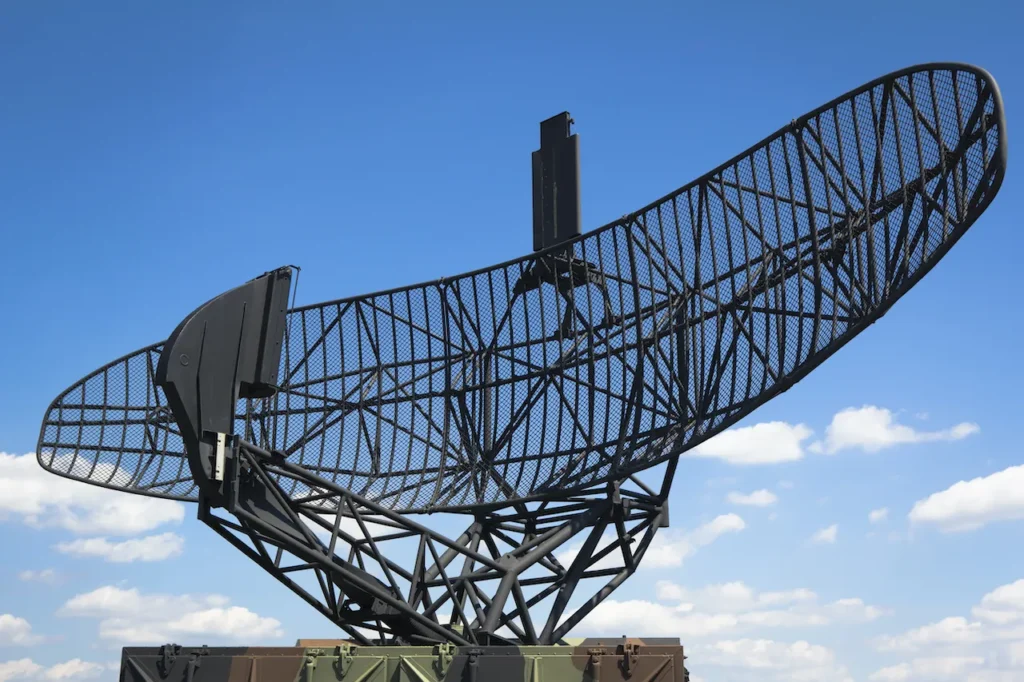
7 blade antenna applications in modern radar systems include weather monitoring, airborne surveillance, missile guidance, ground-penetrating radar, automotive radar, electronic warfare, and satellite communications. These antennas operate at frequencies up to 94GHz with a Doppler resolution of 0.5m/s. They support multi-beamforming, offer low sidelobe levels (-35dB), and maintain phase stability (±0.03°) across extreme temperatures using

7 Blade Antenna Applications in Modern Radar Systems Read More »

3 Surprising Uses of Sinuous Antennas in Military Tech

Sinuous antennas are used in military tech for their wide bandwidth and directional sensitivity. They enable stealth communication at frequencies from 2 to 40 GHz. These antennas are integrated into drones and radar systems, offering compact size and high performance. Their fractal design reduces detection risk, making them ideal for covert operations and electronic warfare.

3 Surprising Uses of Sinuous Antennas in Military Tech Read More »

Scroll to Top
Blank Form (#3)