+86 29 8881 0979

Author name: Dolph

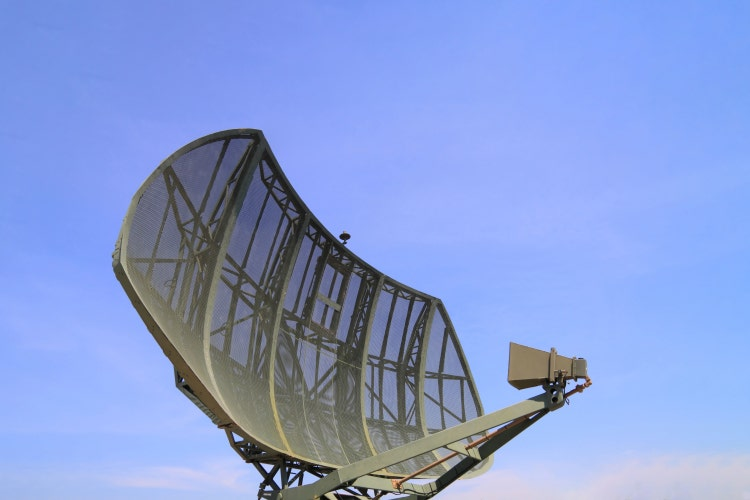
Radar antenna array calibration | what are 5 techniques

To calibrate a radar antenna array, use far-field testing (minimum 10× antenna wavelength distance) with a reference horn antenna. Perform phase alignment using a vector network analyzer (±5° tolerance) and amplitude normalization (0.5dB resolution). Apply beamforming algorithms to adjust element delays (1ns precision), and validate with RCS measurements on calibration spheres (error <1dBsm). Conduct polarization […]

Radar antenna array calibration | what are 5 techniques Read More »
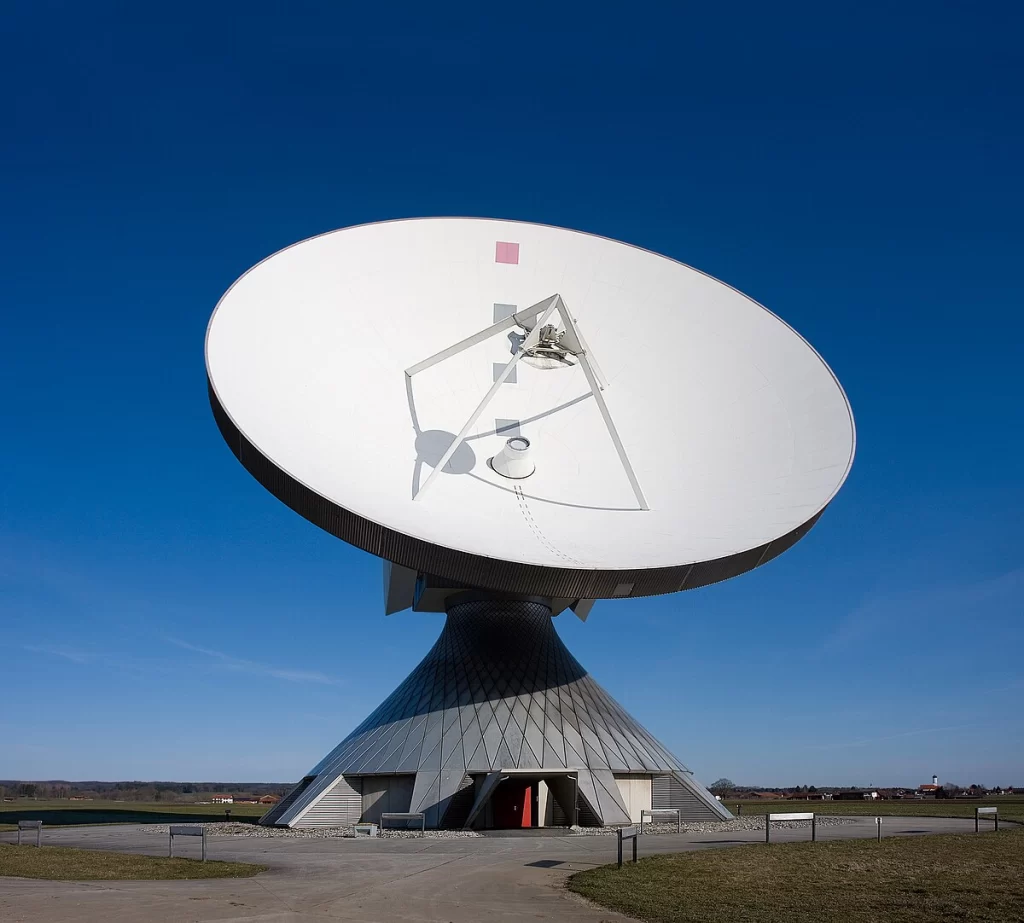
How to align antenna dish for better reception | 6 ways

To optimize antenna dish reception, first determine the correct ​​azimuth (0-360°)​​ and ​​elevation angle​​ using satellite coordinates. Use a ​​signal strength meter​​ for real-time feedback, adjusting in ​​2° increments​​ for peak signal. Ensure ​​obstruction-free line-of-sight​​, tighten all bolts to ​​20-30 ft-lbs torque​​, and ground the dish with ​​10AWG copper wire​​. Fine-tune ​​LNB skew (±15°)​​ for

How to align antenna dish for better reception | 6 ways Read More »

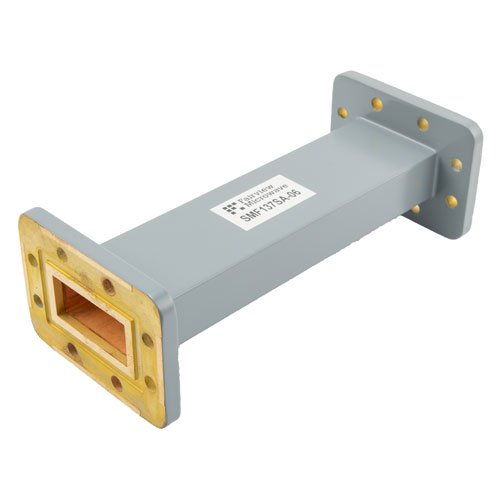
How to prevent radar waveguide corrosion | 4 solutions

To prevent radar waveguide corrosion, apply conductive silver plating (reduces oxidation by 90%). Install desiccant breathers (maintains <5% humidity). Use stainless steel flanges (lasts 15+ years in salt spray tests). Apply anti-corrosion grease quarterly (extends lifespan by 300% in marine environments). ​​Clean Waveguides Regularly​​ Radar waveguides degrade over time due to dust, salt deposits, and

How to prevent radar waveguide corrosion | 4 solutions Read More »

How to optimize telecom antenna signal | 5 practical tips

​To optimize telecom antenna signal, elevate antennas 10-30m above ground (boosts range by 40%). Use 45° tilt for urban areas (reduces interference by 28%). Upgrade to 4×4 MIMO antennas (improves throughput by 3x). Avoid metal obstructions within 3m (signal loss up to 15dB). Regularly update firmware (patches improve performance by 22%).​ Check Antenna Position​​ ​A

How to optimize telecom antenna signal | 5 practical tips Read More »

Telecom antenna for 5G | how to select in 7 points

When selecting a 5G telecom antenna, consider: (1) ​​Frequency band​​ (sub-6GHz or mmWave like 28/39GHz), (2) ​​Gain​​ (8-15dBi for urban, up to 24dBi for rural), (3) ​​Beamwidth​​ (30°-65° for sector coverage), (4) ​​MIMO support​​ (4×4 or 8×8 arrays), (5) ​​IP rating​​ (IP65+ for outdoor durability), (6) ​​Power handling​​ (50W+ for macro cells), and (7) ​​Regulatory

Telecom antenna for 5G | how to select in 7 points Read More »

What is antenna dish gain | how to calculate in 4 steps

Antenna dish gain measures signal amplification relative to an isotropic radiator. To calculate: (1) Determine dish diameter (D) and signal wavelength (λ), (2) Compute efficiency (η, typically 55-75%), (3) Apply formula ​​G = η×(πD/λ)²​​, (4) Convert to decibels: ​​dBi = 10log₁₀(G)​​. A 2.4m dish at 12GHz with 60% efficiency yields ~40dBi gain. Manufacturing imperfections may

What is antenna dish gain | how to calculate in 4 steps Read More »

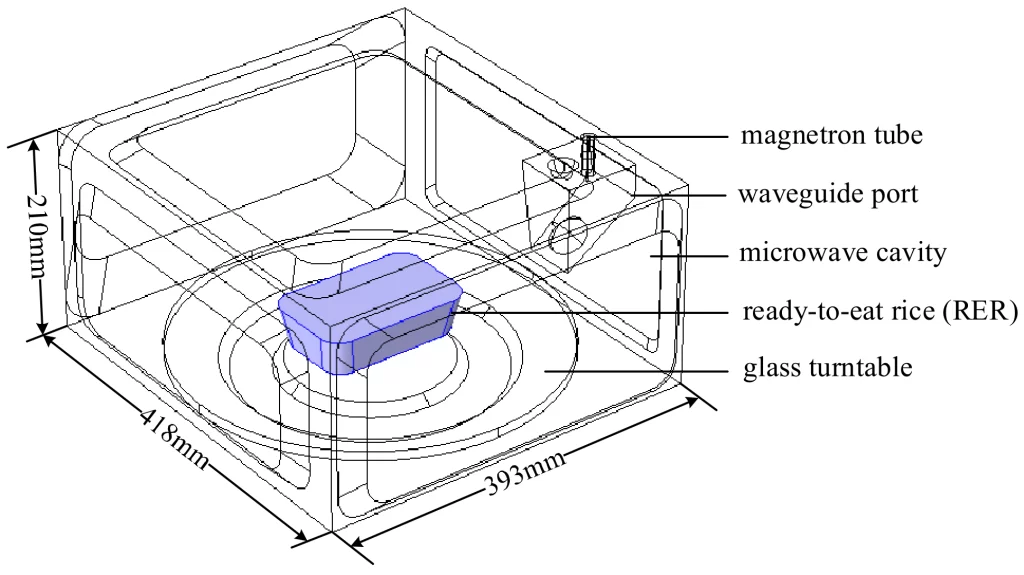
How to test microwave oven waveguide safety | 4 steps

To test microwave oven waveguide safety, first inspect for physical damage (dents/corrosion) using a flashlight. Next, check continuity with a multimeter (resistance <1Ω). Then, perform a microwave leakage test (≤5 mW/cm² at 5 cm) using a calibrated detector. Finally, verify arcing by running the oven empty for 30 sec—abnormal sparks indicate failure. Check for visible

How to test microwave oven waveguide safety | 4 steps Read More »

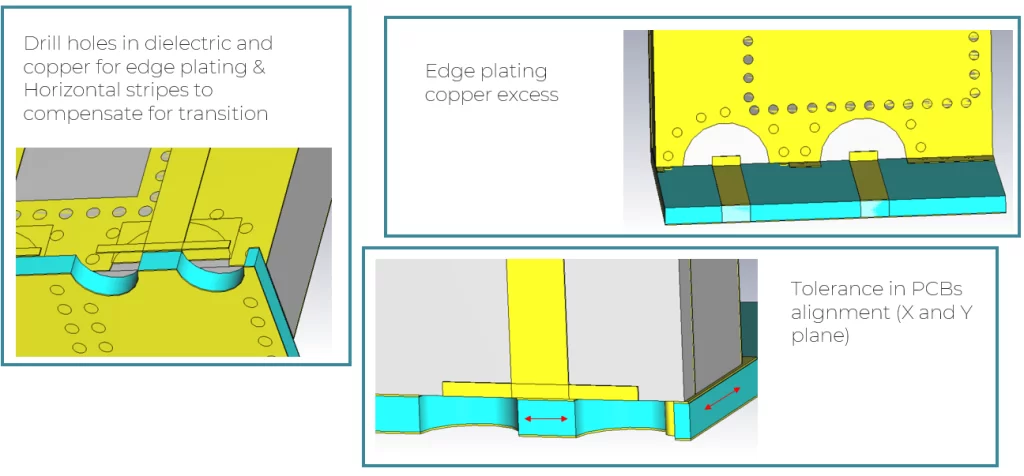
MMW antenna design challenges | what are 7 fixes

Millimeter-wave (mmWave) antenna design faces challenges like high path loss (60–100 dB/km at 28/60 GHz), which is mitigated using high-gain arrays (20–30 dBi). Surface wave interference is reduced via substrate-integrated waveguides (SIW), while PCB tolerances (±5µm) require laser etching. Beam squint is corrected with true-time-delay (TTD) networks, and thermal drift is managed via low-CTE materials

MMW antenna design challenges | what are 7 fixes Read More »

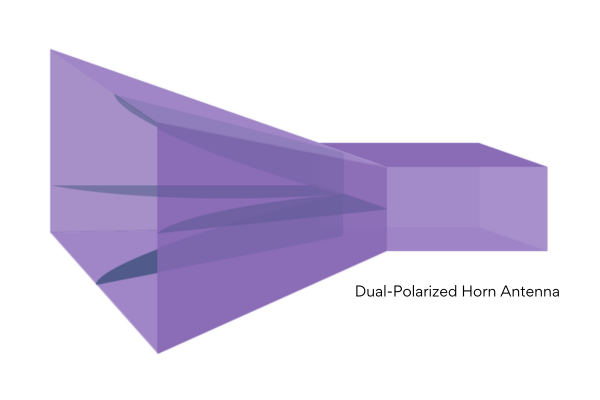
How to choose radar horn antenna | 7 key factors

​When selecting a radar horn antenna, prioritize frequency range (e.g., 8–40 GHz for precision), gain (15–25 dBi for long-range), and beamwidth (10°–60° for coverage). Consider material (aluminum for lightweight, copper for conductivity), polarization (linear/circular), VSWR (<1.5:1 for efficiency), and environmental rating (IP67 for harsh conditions). Validate with 3D EM simulations before deployment. ​ Size and Frequency

How to choose radar horn antenna | 7 key factors Read More »

What are the waveguides frequency bands | 10 antenna frequency bands

Waveguides cover bands like ​​WR-90 (8.2-12.4 GHz, X-band)​​ and ​​WR-15 (50-75 GHz, V-band)​​, extending to ​​325 GHz (WR-3)​​. Key antenna bands include ​​HF (3-30 MHz)​​, ​​VHF/UHF (30 MHz-3 GHz)​​, ​​L-band (1-2 GHz)​​, ​​C/X/Ku-band (4-18 GHz)​​, ​​Ka/V-band (26.5-75 GHz)​​, and ​​E-band (60-90 GHz)​​. Waveguide dimensions follow fc = c/2a (cutoff frequency), while antennas use ​​50Ω impedance​​

What are the waveguides frequency bands | 10 antenna frequency bands Read More »

Scroll to Top
Blank Form (#3)